

Maddy summaryThis bill adds a new student loan deferment option for individuals who experienced sex-based harassment. It allows eligible students to pause loan payments for up to 3 years (in periods of 3-12 months) if they reduced their course load due to harassment and submitted documentation to a covered individual (like a Title IX coordinator or healthcare provider). It also waives requirements for students to return federal grants or loans if they withdrew due to harassment and are using the new deferment. The policy directly affects students enrolled in institutions covered under the Higher Education Act who report harassment under defined terms, including sexual harassment, dating violence, domestic violence, stalking, or sexual assault.
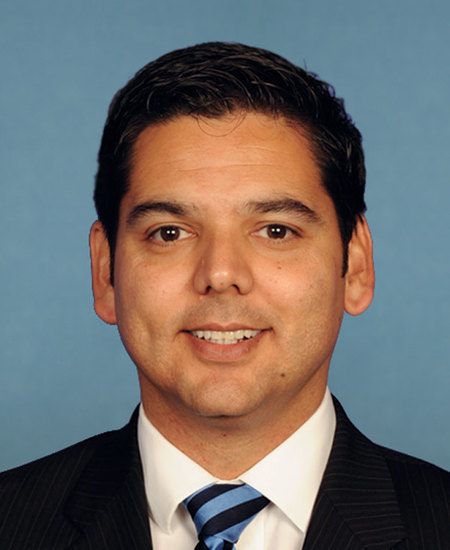
Rep. Raul Ruiz
Sponsored bills
Maddy summaryThis bill ensures continued funding for key housing assistance programs during government shutdowns. It appropriates necessary funds for fiscal year 2024 to maintain rental assistance under five specific programs at 2023 rates, including Section 8 housing choice vouchers, project-based rental assistance, and supportive housing for the elderly and disabled. The funding applies automatically during any lapse in discretionary appropriations starting after the bill's enactment. This directly affects low-income renters enrolled in these programs, preventing disruptions to their housing stability during federal funding gaps. The bill does not change eligibility or benefit levels - it only guarantees existing funding continues through shutdowns.
Maddy summaryThis bill requires federal agencies to adjust contract prices to reimburse contractors for paying employees during government funding lapses (e.g., shutdowns). It covers costs for furloughed, laid-off, or reduced-hour workers, or for restoring paid leave used during the lapse, with a weekly cap of $1,442 per employee. Directly affecting federal contractors and their employees who experienced work disruptions due to funding gaps, it mandates agencies to make these adjustments promptly after enactment. Contractors must provide proof of costs, and the Office of Federal Procurement Policy must report on implementation to Congress within a year.
Maddy summaryHRES 733 is a non-binding resolution expressing concern about the rising number of book bans in U.S. schools and libraries. It cites data showing nearly 3,400 book removals affecting 1,557 titles from July 2022-June 2023, with disproportionate targeting of books featuring LGBTQ+ themes (36%) and racial justice content (37%). The resolution urges school districts to follow established best practices for handling book challenges and reaffirms the importance of protecting students' access to diverse materials. It does not create new laws but calls for local governments to support free expression as protected by the First Amendment.
Maddy summaryHR 5728, the Government Shutdown Impact Report Act of 2023, requires the Congressional Budget Office (CBO) to issue daily reports during government shutdowns. The CBO must submit reports within 24 hours of each shutdown day, detailing specific economic impacts like lost GDP, unprovided Small Business Administration assistance, lost park revenue, and tourism revenue declines. These reports will provide Congress with real-time data on the costs of shutdowns to taxpayers and the economy. The bill directly affects how Congress receives information about shutdown consequences, mandating standardized, frequent reporting on economic and service disruptions.
Maddy summaryThis bill creates a $75 million federal grant program to boost domestic sales of U.S.-grown specialty crops like fruits, vegetables, and nuts. It provides funding to eligible organizations (such as agricultural trade groups, cooperatives, or nonprofits) that develop marketing strategies to expand U.S. consumer demand for these products, requiring recipients to contribute at least 25% of the grant amount from their own funds. Grants cannot support foreign products or large for-profit corporations (except cooperatives or specific associations), and recipients must submit detailed marketing plans with measurable goals. The program requires annual reviews and audits to ensure funds are used effectively for domestic market development.
Maddy summaryHRES 722 designates the week of September 18-22, 2023, as "National Community Health Worker Awareness Week" to recognize the work of community health workers (CHWs). CHWs are trusted frontline health workers who connect underserved communities to care, provide cultural mediation, health education, and advocacy, and improve health outcomes in areas with limited resources. The resolution formally supports raising awareness of their contributions and encourages collaboration across local, state, and federal levels to advance their role in public health. This is a symbolic resolution with no binding policy changes, focused solely on recognition.
Maddy summaryThis bill amends the Higher Education Act to require all U.S. colleges and universities receiving federal financial aid to create detailed anti-harassment policies covering physical, online, and institution-sponsored settings. It mandates policies prohibiting harassment based on race, sex (including sexual orientation and gender identity), disability, religion, and other protected characteristics, including harassment via institutional email, computers, or electronic messaging. The bill also establishes a $50 million annual grant program to fund colleges developing prevention programs, victim support services, and training for students and staff on recognizing and addressing harassment. These policies and grants must comply with existing civil rights laws like Title IX but add specific requirements for reporting and prevention.
Maddy summaryThis resolution designates the week of September 25-29, 2023, as "National Hazing Awareness Week" to highlight the issue of hazing in schools and organizations. It does not create new laws or policies but symbolically supports raising public awareness about hazing prevention. The resolution encourages all Americans to observe this week by promoting education and prevention efforts, while acknowledging that preventing hazing requires ongoing commitment beyond a single week. It directly affects the general public and educational communities by fostering greater attention to this issue.
Maddy summaryHRES 714 is a formal recognition resolution celebrating Hispanic Restaurant Week (September 22-October 3, 2023) and acknowledging the economic contributions of Hispanic restaurant owners and employees to the U.S. restaurant industry. It highlights statistics showing Hispanic individuals own a significant share of restaurants and workforce participation in the sector, but does not create new policies, funding, or regulations. This resolution is purely ceremonial, expressing congressional appreciation without any legislative impact.