

Maddy summaryThe HALT Fentanyl Act (HR 27) creates a new category of Schedule I controlled substances for "fentanyl-related substances" defined by specific chemical modifications to fentanyl. This law directly affects researchers, medical professionals, and law enforcement by expanding the legal definition of fentanyl-related substances to include many structurally similar compounds. Key provisions include streamlined registration processes for research on these substances, allowing researchers to conduct studies with expedited procedures if related to FDA-approved drug development or government-funded research. The bill requires the Attorney General to issue implementing rules within six months and includes penalties for violations involving these substances.
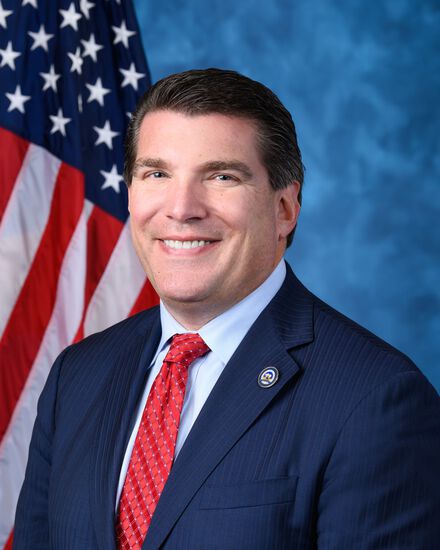
Rep. Jay Obernolte
Sponsored bills
Maddy summaryHR 1046, the Marc Fischer Memorial Act, requires the Bureau of Prisons to implement digital mail scanning technology at all federal prisons to detect fentanyl and other synthetic drugs in inmate mail. It mandates a strategy within 90 days of an evaluation, including 100% scanning of all mail, digital copies of mail to inmates within 24 hours, and physical mail delivery within 30 days for non-contaminated items. The bill directly affects federal prison staff, inmates, and the Bureau of Prisons by aiming to reduce drug-related overdoses and alleviate staff workload tied to mail processing. Implementation must be completed within three years, with annual reports tracking detected drugs and strategy efficiency. The legislation focuses on concrete technological and procedural changes to enhance safety, referencing a successful pilot program at two facilities.
Maddy summaryThe Disaster Resiliency and Coverage Act of 2025 creates a federal program that provides grants to states and tribal governments to help homeowners in high-risk disaster areas make their homes more resilient. The program covers specific mitigation activities like reinforcing roofs, installing flood barriers, and creating fire-resistant features, with a $10,000 per household limit. Homeowners must have an adjusted gross income under $250,000 ($500,000 for joint returns) to qualify. The bill also includes tax benefits, allowing these grant amounts to be excluded from gross income and providing a 30% tax credit for qualifying mitigation expenditures.
Maddy summaryHR 1021, the Small Business Disaster Damage Fairness Act of 2025, increases the collateral requirement for SBA disaster loans from $14,000 to $50,000 and replaces "major disaster" with "disaster" in the definition. This directly affects small businesses applying for SBA disaster loans by reducing collateral barriers. The bill also requires the GAO to report within three years on loan default rates and the impact of the collateral change, covering loans from 2020 through two years after enactment. Additionally, it mandates the SBA to distinguish between rural and urban communities in outreach for disaster loans, addressing rural access challenges identified in a 2024 GAO report.
Maddy summaryHR 991, the Cost Estimates Improvement Act, requires the Congressional Budget Office (CBO) and Joint Committee on Taxation (JCT) to include debt servicing costs (interest payments on the national debt) in their budget estimates "to the extent practicable." This change directly affects how Congress evaluates the fiscal impact of proposed legislation, as these estimates determine whether bills qualify for budget reconciliation and influence funding decisions. The key mechanism amends the 1974 Congressional Budget Act to mandate this inclusion within existing cost estimation processes. The bill does not alter spending or tax policy but aims to make budget scoring more comprehensive by accounting for ongoing interest costs.
Maddy summaryHR 1007, the Antisemitism Awareness Act of 2025, clarifies how the Department of Education enforces Title VI of the Civil Rights Act of 1964 to address discrimination against Jewish individuals. It requires the Department to consider the International Holocaust Remembrance Alliance (IHRA) definition of antisemitism when investigating complaints involving discrimination based on actual or perceived Jewish ancestry or ethnic characteristics. This affects Jewish students and communities in K-12 schools and colleges receiving federal funding, as it ensures antisemitism is assessed under existing civil rights protections. The bill does not create new laws but specifies that the IHRA definition - already used by the Department since 2018 - must be applied in Title VI enforcement cases.
Maddy summaryHR 942, the "Banning SPR Oil Exports to Foreign Adversaries Act," prohibits the export of petroleum products drawn from the U.S. Strategic Petroleum Reserve to China, North Korea, Russia, Iran, and any entity owned or controlled by these countries or the Chinese Communist Party. The Secretary of Energy may grant a waiver for such exports if certified as serving U.S. national security interests, but must issue implementing rules within 60 days of enactment. This policy directly affects U.S. energy exports and entities seeking to purchase SPR oil from the listed adversaries.
Maddy summaryThis bill requires the National Suicide Prevention Lifeline (9-8-8 hotline) program to address cybersecurity vulnerabilities and report incidents. It mandates that the program’s network administrator and participating local crisis centers must report identified security weaknesses or cyber incidents to federal officials within a reasonable time, while protecting user privacy. The law also requires a study by the Comptroller General within 180 days to evaluate cybersecurity risks specific to the 9-8-8 system. These changes directly affect the federally funded 9-8-8 hotline program and its local crisis centers.
Prison Staff Safety Enhancement Act This bill requires the Department of Justice to adopt national standards for the prevention, reduction, and punishment of sexual harassment and sexual assault by incarcerated individuals against correctional officers or other employees of the Bureau of Prisons.
Medicare Patient Access and Practice Stabilization Act of 2025 This bill increases certain payment adjustments under the Medicare physician fee schedule for services furnished between April 1, 2025, and January 1, 2026.