

Maddy summaryThis bill amends the Social Security Act to remove an exclusion for rural facilities primarily treating mental health conditions from Medicare coverage. It specifically changes Section 1861(aa)(2) by deleting the phrase "or a facility which is primarily for the care and treatment of mental diseases," allowing these facilities to qualify for Medicare reimbursement. The change directly affects rural behavioral health centers specializing in mental health care that were previously excluded. The amendment takes effect on January 1, 2027, enabling these facilities to access federal Medicare funding for services.
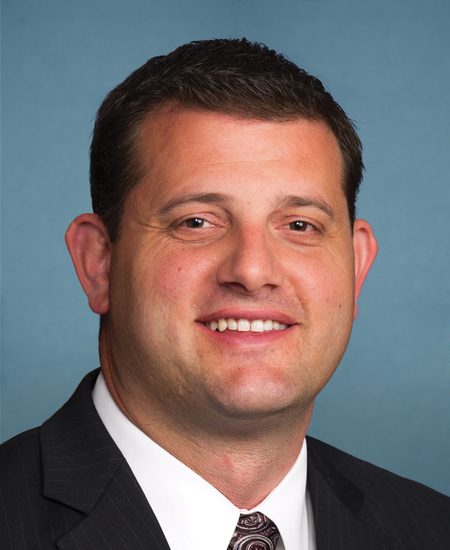
Rep. David G. Valadao
Sponsored bills
Maddy summaryThis bill changes federal rules for rural healthcare facilities that employ physician assistants (PAs) and nurse practitioners (NPs). It requires these facilities (not run by a physician) to have arrangements consistent with state laws governing PA/NP practice, ensuring services follow state regulations. The policy directly affects rural clinics and hospitals seeking federal reimbursement for PA/NP services. The changes take effect January 1, 2027, aligning federal requirements with existing state oversight of these healthcare providers.
Maddy summaryThis bill increases federal funding for Impact Aid, which supports school districts that serve students on federal property (like military bases) or have high numbers of children with disabilities. It authorizes specific annual funding amounts for four key areas: payments for federal property acquisition, basic support for heavily impacted districts, aid for children with disabilities, and school construction. The funding grows incrementally each year from 2026 through 2031, with total annual amounts rising from $85 million to $250 million for property payments, and from $1.49 billion to $2.35 billion for basic district support. This directly affects school districts in communities with significant federal land or federal facility presence.
Maddy summaryHR 5198, the Rural Health Clinic Location Modernization Act of 2025, changes Medicare eligibility rules for rural health clinics by updating the definition of "urban area" used to determine clinic qualification. It replaces the current "urbanized area" standard with a clearer definition: any urban area (per Census Bureau data) having a population of 50,000 or more. This adjustment directly affects clinics seeking Medicare certification, ensuring they meet consistent geographic criteria for rural designation. The change takes effect January 1, 2027, aiming to simplify qualification rules without altering Medicare coverage or benefits.
Maddy summaryHR 5145, the Bipartisan Premium Tax Credit Extension Act, extends enhanced federal subsidies for health insurance premiums through 2026. It directly affects individuals purchasing coverage through health insurance marketplaces who qualify for premium tax credits. The bill extends the period for increased credit amounts (through 2026 instead of 2025) and maintains the rule allowing tax credits for households earning above 400% of the federal poverty level. These changes apply to tax years beginning after December 31, 2025.
Maddy summaryThe Feed Hungry Kids Act adjusts eligibility for schools participating in the federal school meal program. Starting in the 2025-2026 school year, schools must have at least 25% of students eligible for free or reduced-price meals to qualify for a provision allowing all students to receive free meals without individual applications. This change directly affects public schools nationwide that receive federal meal funding under the National School Lunch Program. The bill sets a specific, measurable threshold for program access without altering other aspects of school meal eligibility.
Maddy summaryHR 5097 establishes a new grant program under the Agricultural Marketing Act of 1946 to help specialty crop producers in the U.S. adopt mechanized and automated equipment. The bill directs the Secretary of Agriculture to award grants covering equipment like drones, sorting machines, precision irrigation systems, and robotic tools, plus required training for their use. Recipients must contribute at least 50% of the costs through non-Federal matching funds. This program directly affects commercial specialty crop growers by providing financial support to modernize operations and improve efficiency.
Maddy summaryHR 5018, the Naomi Schwartz and Susan Rose Safe Parking Act of 2025, adds "safe parking" as an eligible activity under the federal Emergency Solutions Grant Program. It directly affects homeless individuals living in vehicles, including motor homes, by making funding available for programs that provide them with safe overnight parking and supportive services to transition to stable housing. The bill defines "safe parking" as activities offering a secure place to park vehicles overnight while connecting residents to re-housing support. This change allows communities to use federal grants to establish and operate such parking programs, which were previously ineligible under the program's rules.
This bill designates the facility of the United States Postal Service located at 1444 Main Street in Ramona, California, as the "Archie Moore Post Office Building".
Maddy summaryHRES 639 designates the week beginning August 3, 2025, as "National Health Center Week" and encourages all Americans to visit local community health centers during that week. The resolution highlights community health centers' role in providing accessible primary care to over 32 million people across 16,000 locations, including rural and underserved areas. It emphasizes their contributions to health outcomes (like cancer screenings and chronic disease management) and local economies without creating new laws or funding. This is a symbolic resolution, not a policy change, meant to recognize existing health centers' work. It directly affects community health centers by promoting public awareness of their services.