

Maddy summaryHRES 785 is a symbolic resolution designating November 8, 2021, as "National First-Generation College Celebration Day." It urges all Americans to celebrate this day, recognize the contributions of first-generation college students (those whose parents did not earn bachelor's degrees), and honor the Higher Education Act of 1965. The resolution highlights existing federal programs like TRIO and Pell Grants that support underrepresented students but does not create new laws or funding. As a non-binding resolution, it has no direct policy impact but aims to raise awareness about first-generation students' challenges and achievements.
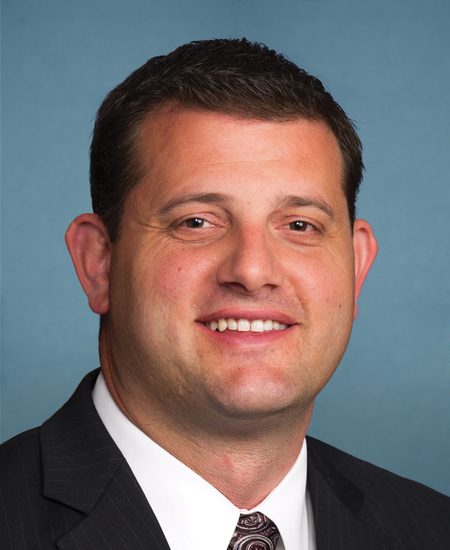
Rep. David G. Valadao
Sponsored bills
Maddy summaryHRES 386 is a symbolic resolution introduced in the U.S. House of Representatives that expresses support for recognizing "National Police Week" each year. The resolution acknowledges law enforcement officers' sacrifices, particularly during the pandemic, and encourages the public to honor their service. As a non-binding statement, this resolution does not create new law or change policy but serves as a formal expression of support for law enforcement officers across the United States.
FHA Fairness Act This bill increases the mortgage limit for federal mortgage insurance eligibility for homes in certain cities and counties. Specifically, this increase applies to metropolitan cities and urban counties with higher housing costs that have experienced a decrease in home values over a specified time period.
Partner with Korea Act This bill creates an E-4 treaty trader visa category for up to 15,000 nationals of South Korea each fiscal year who are coming to the United States solely to perform specialty occupation services, subject to various requirements. The 15,000 limit shall only apply to principal aliens and not the spouses or children of such aliens. (A specialty occupation is one that requires the theoretical and practical application of highly specialized knowledge and a bachelor's degree or higher.)
Fiscal State of the Nation Resolution This concurrent resolution requires the congressional budget committees to conduct an annual joint hearing to receive a presentation from the Comptroller General regarding (1) the Government Accountability Office's audit of the financial statement of the executive branch, and (2) the financial position and condition of the federal government.
This resolution recognizes the importance of gig workers (i.e., workers hired on a per-project basis) and other independent contractors to the economy.
Truckers Responding At National Shipping Ports Overcoming Retail Turmoil Act or the TRANSPORT Act This bill requires the Department of Transportation (DOT) to award grants to motor carriers and motor private carriers for transporting goods from ports during declared national emergencies or when DOT determines a port is at least 50% congested. DOT may use unobligated funds available under specified COVID-19 relief laws for the grants.
This bill provides statutory authority for the rule published on August 27, 2019, by the Department of the Interior entitled Endangered and Threatened Wildlife and Plants; Regulations for Listing Species and Designating Critical Habitat . The rule addressed procedures and criteria used for (1) listing or removing species from the lists of endangered and threatened wildlife and plants, and (2) designating critical habitat.
Jerry Lewis VA Clinic Act This bill designates the community-based outpatient clinic of the Department of Veterans Affairs in Redlands, California, as the Jerry Lewis Department of Veterans Affairs Clinic or the Jerry Lewis VA Clinic.
Simon Crosier Act This bill requires hospitals and other health care providers, as a condition of Medicare and Medicaid participation, to have certain written policies and procedures in place that limit the implementation of do-not-resuscitate (DNR) orders for unemancipated minors in accordance with specified criteria. Among other provisions, such policies and procedures must (1) require the informed consent of at least one parent and a reasonable attempt to contact the other parent before instituting a DNR order, (2) allow either parent to refuse to consent to a DNR order, and (3) allow a parent to transfer a minor to another facility after being informed of an intent to institute a DNR order.