

Maddy summaryThe Protecting Communities from Plastics Act of 2024 establishes new environmental standards for plastic production facilities, including a temporary moratorium on new permits for covered facilities during a "temporary pause period." It requires environmental justice assessments for permits affecting fenceline communities (low-income communities and communities of color near plastic facilities) and sets specific targets to reduce single-use plastics by 25% and increase reusable/refillable packaging by 30% by 2034. The bill mandates comprehensive reporting on plastic production and distribution, including a national inventory of plastic manufacturing, and requires continuous air and water quality monitoring near plastic facilities. This legislation directly affects plastic producers, manufacturers, and communities located near plastic production facilities, particularly those disproportionately impacted by plastic pollution.
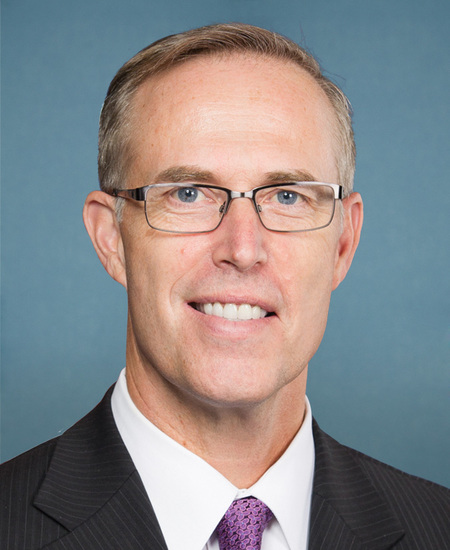
Rep. Jared Huffman
Sponsored bills
Maddy summaryHR 6915, the Public Lands Telecommunications Act, requires federal land management agencies (like the National Park Service and Bureau of Land Management) to collect rental fees from telecom companies for infrastructure (such as cell towers) on federal lands. These fees must be set at fair market value, not exceeding existing Interior Department schedules, and deposited into special agency accounts. The collected funds can only be used by each agency to manage telecom sites - covering activities like processing permits, planning site locations, and improving access - without affecting other existing fee collections. The bill establishes a clear system for fee collection, valuation, and restricted spending to support telecom infrastructure on public lands.
Maddy summaryThis bill reauthorizes the Every Kid Outdoors program, expanding eligibility to include 4th graders and 10-11 year old home-schooled learners, who receive free access to national parks. It modifies the program period from a fixed September-August cycle to a flexible 12-month period and increases annual funding to $25 million. The funds support program operations, school and community outreach, transportation assistance for schools with financial need, and targeted outreach to underserved communities and children with disabilities. The changes directly affect 4th graders and eligible home-schooled youth in the U.S.
Maddy summaryHR 6765, the Wildlife Disease Surveillance for Pandemic Prevention Act, creates a national system for monitoring wildlife diseases to help prevent future pandemics. The bill provides $15.5 million annually to states and $3 million to tribes to develop wildlife health action plans and contribute data to a new National Wildlife Disease Database. It establishes a Wildlife Disease Surveillance Program, a Wildlife Disease Emergency Response Program, and Centers for Study and Diagnostics of Wildlife Diseases at institutions of higher education. The legislation also creates a Federal One Health Interagency Working Group and a Wildlife Disease Surveillance Advisory Committee to coordinate across agencies and ensure tribal and state participation. This bill directly affects states, tribes, federal agencies, and research institutions by requiring data sharing, funding new surveillance capabilities, and establishing new coordination mechanisms for wildlife disease prevention.
Maddy summaryThe SCOPE Act directs the Environmental Protection Agency (EPA) to develop standardized guidance for reporting scope 3 emissions - indirect emissions from a company’s supply chain and product use - within 12 months of enactment. It requires the EPA to establish reporting thresholds, calculation methods, monitoring frequency, data quality standards, and recordkeeping procedures for facilities already subject to EPA greenhouse gas reporting rules (like major industrial plants). The guidance will help direct emitters (facilities currently reporting under EPA regulations) understand how to measure and report these indirect emissions. This bill does not mandate reporting but creates a framework for future EPA rules on scope 3 emissions.
Maddy summaryThe NO BAN Act (HR 9244) prohibits U.S. immigration authorities from denying visas or entry based on national origin, religion, or sex. It amends immigration law to explicitly ban such discrimination in visa decisions and tightens restrictions on the president’s power to suspend entry of certain groups under Section 212(f). The bill requires specific evidence, narrow tailoring, time limits, and congressional notification for any entry restriction, while mandating public reports on visa denials and waivers. It directly affects nonimmigrant visa applicants (e.g., students, workers) and federal agencies administering immigration policy.
Maddy summaryThis bill establishes the Great Bend of the Gila National Monument, protecting approximately 376,963 acres of land in Arizona for the preservation of Indigenous heritage, cultural landscapes, archaeological sites, and natural resources. The monument's management requires consultation with a Tribal Commission representing interested Native American tribes, incorporates Traditional Ecological Knowledge into planning, and protects sacred sites while maintaining existing tribal treaty rights. Key provisions include prohibiting new permanent roads within the monument, requiring meaningful tribal engagement in management decisions, and ensuring continued access for traditional tribal uses like cultural and religious activities. The bill maintains existing grazing, water rights, and tribal treaty rights while emphasizing the protection of natural quiet, dark night skies, and scenic attributes. It creates a framework for tribal co-stewardship through the Tribal Commission, which provides guidance on management plans and policies.
Maddy summaryThe Sustaining America's Fisheries for the Future Act of 2024 aims to improve the long-term health of U.S. fisheries by addressing climate change impacts, supporting fishing communities, and modernizing management practices. The bill requires federal agencies to incorporate climate science into fishery management decisions and mandates regular vulnerability assessments of fish stocks to environmental changes. It establishes new grant programs to help coastal communities preserve working waterfronts and improve data collection systems through electronic monitoring technologies. The legislation also strengthens transparency by requiring more detailed reporting on fishery management council activities and expanding tribal representation on regional councils. Additionally, the bill creates a standardized national program to track and reduce bycatch across all fisheries while updating international fisheries management agreements.
Maddy summaryThis bill expands the boundary of the Golden Gate National Recreation Area to include specific lands shown on a July 2024 map titled "Golden Gate National Recreation Area Proposed Boundary Addition" (map #641/193973). It directly affects the management of the recreation area by adding these newly designated lands to its existing boundaries. The key mechanism is a technical amendment to existing law, incorporating the map's depiction of the proposed addition without altering park management policies or creating new regulations.
Maddy summaryHRES 1386 is a non-binding House resolution expressing the House's condemnation of Project 2025. It states that if enacted, Project 2025 would threaten healthcare access (including ending protections for pre-existing conditions and banning Medicare drug negotiations), restrict abortion and fertility services, cut education funding, raise costs for working families, and give tax breaks to wealthy corporations. The resolution specifically lists these potential impacts as reasons for the House to "condemn in the strongest terms" Project 2025. As a resolution, it does not create new law but formally expresses the House's position on this policy proposal.