

Maddy summaryThe Community Housing Act of 2024 significantly increases federal investment in affordable housing through major funding boosts, including $44.5 billion for the Housing Trust Fund and $1.5 billion for the Capital Magnet Fund over the next decade. It repeals the Faircloth amendment, which had limited public housing construction since 1992, allowing public housing authorities to build new units without the previous cap. The bill establishes a permanent emergency rental assistance program providing $3 billion annually through 2029 to help low-income households with rent payments and creates the Unlocking Possibilities program to fund local efforts to streamline housing regulations and reduce zoning barriers. These provisions directly affect low- and moderate-income households, community land trusts, and rural communities facing housing insecurity and affordability challenges.
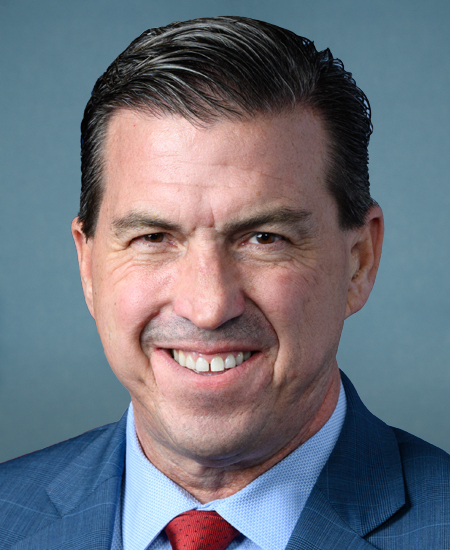
Rep. Kevin Mullin
Sponsored bills
Maddy summaryThis bill requires Medicare to provide clear outreach and education so Medicare beneficiaries (enrolled in Part A, Part B, or Medicare Advantage plans) can authorize family caregivers to access their health information via 1-800-MEDICARE. It mandates the inclusion of a specific authorization form (CMS-10106) in Medicare notices and on Medicare.gov, along with training for call center staff. The Secretary must also share best practices to prevent fraud related to caregiver access and make materials available in non-English languages. It directly affects beneficiaries, their family caregivers, healthcare providers, and Medicare call center operators.
Maddy summaryThis bill expands eligibility for certain tax-advantaged health accounts to cover medical expenses for parents. It amends the tax code to allow individuals to use funds from Health Savings Accounts (HSAs), Flexible Spending Accounts (FSAs), and Health Reimbursement Arrangements (HRAs) for qualified medical care of their parents or their spouse's parents - previously limited to immediate family members. The changes apply to expenses incurred after December 31, 2023, directly benefiting adult caregivers (like children supporting elderly parents) who use these accounts for parental healthcare costs. The bill makes no new funding commitments but adjusts existing account rules to reduce out-of-pocket costs for caregivers.
Maddy summaryThis bill updates the Supplemental Security Income (SSI) program to better support low-income elderly, blind, and disabled individuals. It raises key financial thresholds: the resource limit for single individuals increases from $2,250 to $20,000 (adjusted annually for inflation), and the general income exclusion rises from $240 to $1,797 per month. The bill also removes a penalty that reduced benefits for married couples, excludes retirement accounts and tribal general welfare payments from resource calculations, and eliminates outdated requirements like dedicated accounts for past-due benefits. These changes directly affect SSI recipients by making it easier to qualify and maintain benefits without losing support due to minor income or resource fluctuations.
Maddy summaryThe FOREST Act of 2023 prohibits U.S. imports of products made from commodities (palm oil, soybeans, cocoa, cattle, and rubber) produced on land where illegal deforestation occurred after the law's enactment. Importers must file declarations demonstrating they've assessed supply chain risks of illegal deforestation, with stricter requirements for products from countries identified in action plans. The law establishes a process to identify countries without adequate deforestation protections and requires them to develop action plans with specific benchmarks for compliance. It creates a fund using import penalty revenue to provide foreign assistance to help countries eliminate illegal deforestation and includes procurement preferences for federal contracts with suppliers demonstrating deforestation-free supply chains.
Maddy summaryThis bill extends federal welfare program eligibility to the Northern Mariana Islands (CNMI), granting its residents access to the same family assistance benefits previously available only to U.S. states. It authorizes an annual federal grant of $1.631 million to the CNMI for its family assistance program, requiring the territory to submit a 3-year plan outlining benefit delivery, avoiding duplicate aid, and promoting employment opportunities for recipients. The bill also adjusts matching grant formulas to include the CNMI ($2.131 million annually) and provides $5 million for initial child support program development. These changes directly affect CNMI residents and its government by integrating the territory into federal welfare administration under existing Social Security Act provisions.
Maddy summaryThe ARCC Act provides $100 million in federal funding to help apprentices and pre-apprentices in job training programs cover childcare costs. It authorizes competitive grants to 10 states, which must distribute monthly stipends of at least $500 per dependent child directly to eligible childcare providers on behalf of participants in these programs. The bill prioritizes individuals from historically underrepresented groups (based on race, ethnicity, or gender) and ensures stipends are tax-free while not affecting eligibility for other federal benefits. States must report on participation, program completion rates, and demographic data, with the Secretary later summarizing program impacts for Congress.
Maddy summaryHR 6063, the Empowering Striking Workers Act of 2023, modifies unemployment insurance rules to provide benefits for workers unable to work due to strikes or lockouts. It directs that unemployment compensation begins 14 days after a strike starts, or earlier if permanent replacements are hired, a lockout begins, or the dispute ends. The bill directly affects workers participating in labor disputes by making them eligible for benefits under these specific conditions, rather than requiring them to meet standard job search requirements. This change is implemented through amendments to the Internal Revenue Code and Social Security Act.
Maddy summaryThe SAFE in Recovery Act protects pregnant and postpartum individuals with substance use disorders by prohibiting toxicology testing without consent and preventing child welfare investigations based solely on prescribed medications for treatment. It establishes a Federal interagency task force to coordinate services across multiple departments and allocates $500 million for community health centers to expand behavioral health services. The bill also provides $60 million annually for Head Start programs to support children from families impacted by substance use disorder. These provisions aim to improve access to care while preventing unnecessary family separations.
Maddy summaryThe Medicare Advantage Consumer Protection and Transparency Act requires Medicare Advantage plans to submit detailed, standardized data about supplemental benefits, healthcare services provided (encounter data), coverage denials, prior authorization requirements, quality measures, and provider networks. Plans must submit this information annually in standardized formats, with penalties of up to 10% in reduced payments for incomplete submissions. The data will be publicly reported, increasing transparency for beneficiaries and oversight officials. This law directly affects Medicare Advantage plans and beneficiaries by providing clearer information about plan offerings and performance. It focuses on concrete data collection and reporting requirements rather than altering benefit structures.