

Maddy summaryHRES 966 is a symbolic resolution condemning alleged sexual violence committed by Hamas during its October 7, 2023, attack on Israel. It specifically references eyewitness accounts, forensic evidence, and Hamas fighters' admissions of ordering gang rape, sexual mutilation, and assault against Israeli civilians. The resolution calls for international condemnation of such acts as weapons of war, urges nations to criminalize sexual violence, and supports investigations into Hamas' actions. As a non-binding resolution, it does not create new laws or directly affect any individuals but formally expresses the House's position on the issue.
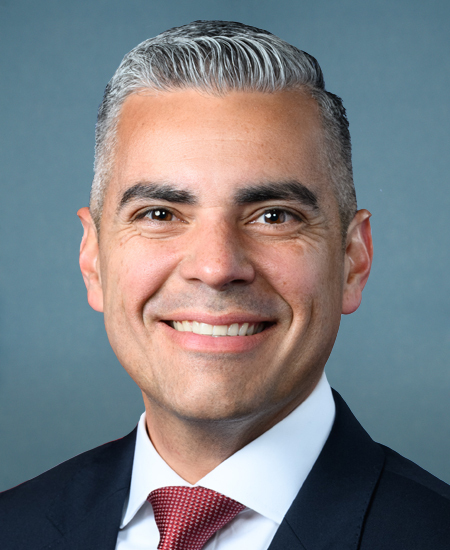
Rep. Juan Ciscomani
Sponsored bills
Maddy summaryHR 7243, the Border Security State Reimbursement Act, requires the Secretary of Homeland Security to pay back states for costs they incur while securing the southern U.S. border. The bill directly affects states bordering Mexico (like Texas, Arizona, and California) that have already spent money on border security measures. It establishes a process for states to seek reimbursement for eligible expenses, but does not create new funding or change existing border security policies.
Maddy summaryThe QUIET Act requires businesses and organizations to disclose at the start of any robocall or text message that uses artificial intelligence to mimic a human voice or writing. This applies to automated communications generated by AI, excluding calls or texts requiring substantial human involvement. The bill also doubles the maximum civil and criminal penalties for violations where AI impersonation is used to defraud, cause harm, or obtain property. It directly affects entities that send AI-powered automated calls or texts to consumers.
Maddy summaryThis bill requires the Secretary of Defense to submit a detailed report within two years on maternal health access for military families. It directly affects military beneficiaries and their dependents (referred to as "covered individuals") by mandating an analysis of care availability, staffing shortages (like OB-GYNs and midwives), and challenges in accessing services at military facilities and TRICARE providers. The report must cover continuity of care during relocations, wait times, patient satisfaction, historical spending, and identify maternity care deserts. It also requests specific recommendations to address staffing gaps and improve care delivery for pregnant and postpartum military moms.
Maddy summaryHR 7185 reauthorizes the High Intensity Drug Trafficking Areas (HIDTA) program through 2030, with specific focus on fentanyl. It allocates $302 million annually for HIDTA operations and adds $14.2 million yearly for grants to enhance fentanyl seizure efforts through competitive grants. The bill requires annual reports detailing fentanyl seizures and trafficking data, and directs the Attorney General to assign at least 16 assistant U.S. attorneys to prioritize fentanyl trafficking cases. This directly affects federal drug task forces, law enforcement agencies, and prosecutors working on fentanyl-related investigations.
Maddy summaryHR 5585, the Agent Raul Gonzalez Officer Safety Act, creates new criminal penalties for individuals fleeing U.S. Border Patrol officers or assisting officers while operating a motor vehicle within 100 miles of the U.S. border. It imposes prison terms of up to 2 years for basic offenses, 5-20 years if serious injury occurs, and 10 years to life if death results. People unlawfully in the U.S. who commit this offense become permanently ineligible for any legal status, including asylum. The bill also requires the Attorney General to submit annual reports to Congress on prosecutions and penalties related to this new offense.
Maddy summaryThe Healthy Watersheds, Healthy Communities Act of 2023 requires at least 50% of federal funds for watershed projects to support "multibenefit works of improvement" that provide two or more public benefits including water conservation, improved fish/wildlife habitat, flood reduction, or water quality enhancement. The bill defines these projects to include activities like protecting natural features, enhancing fish passage, or improving instream flow, while establishing specific cost-sharing requirements and environmental considerations. Local organizations, including states, tribes, soil conservation districts, rural communities, and irrigation districts, would be the primary beneficiaries of this funding. The legislation aims to shift watershed management toward integrated solutions that address multiple environmental and community challenges simultaneously. It establishes clear definitions and requirements for what qualifies as a multibenefit project under the Watershed Protection and Flood Prevention Act.
Maddy summaryHRES 977 is a symbolic resolution recognizing National Board Certified Teachers (NBCTs), with over 137,000 educators holding this credential nationwide. It supports designating National Board Certified Teacher Week, acknowledges NBCTs' role in improving student achievement (especially in high-need schools), and encourages schools and states to promote NBCT growth and provide support. The resolution highlights that NBCTs are linked to higher student learning gains, greater teacher retention, and increased earnings for students - though it does not create new policies or funding. It is a non-binding statement of appreciation, not a legislative change.
Maddy summaryHRES 974 is a non-binding House resolution supporting the designation of January 21-27, 2024, as "National School Choice Week." It encourages parents to learn about K-12 education options - including public schools, charter schools, private schools, and homeschooling - and promotes public awareness of educational choice. The resolution does not create new laws or policies but formally expresses the House's backing for this annual observance. It directly affects parents and students by highlighting available education pathways and urging communities to host events celebrating school choice. The resolution was introduced by multiple House members and referred to the Education Committee.
Maddy summaryThe Death Tax Repeal Act would eliminate the federal estate tax and generation-skipping transfer tax for estates of people who die on or after the bill's enactment date, and for generation-skipping transfers made after that date. It would also establish a new $10 million lifetime gift tax exemption (adjusted annually for inflation) and replace the existing gift tax rate schedule with a revised structure. These changes would primarily affect high-net-worth individuals and their heirs, as the estate tax and gift tax typically apply to large estates or gifts exceeding the new exemption threshold. The bill's provisions would take effect on the date of enactment, with transitional rules for the year the bill is signed into law.