

Maddy summaryThis bill reauthorizes and updates the VA's Staff Sergeant Parker Gordon Fox Suicide Prevention Grant Program. It requires grantees to use the Columbia Suicide Severity Rating Scale (C-SRRS) for screening and mandates that veterans referred for care receive emergency services within 72 hours if not served promptly. VA medical centers within 100 miles of grant recipients must receive quarterly briefings to improve coordination. The program's deadline is extended to September 30, 2027, and grants may now use up to 5% of funds for food/non-alcoholic beverages. The changes directly affect veterans at risk of suicide, VA medical centers, and grant-funded suicide prevention programs.
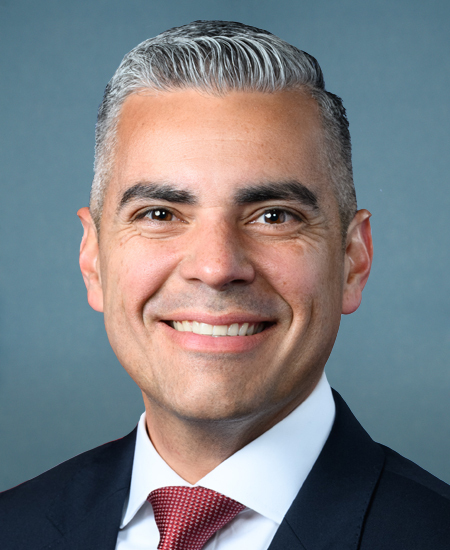
Rep. Juan Ciscomani
Sponsored bills
Maddy summaryThis bill pauses interest charges and payment requirements for one year on Small Business Administration (SBA) disaster loans issued for disasters declared after the law passes. It directly helps small businesses affected by federally declared disasters by easing their immediate financial burden. The SBA must set interest at zero percent and suspend principal payments for 12 months starting from when the loan is disbursed. This applies only to new loans made under the specified disaster declaration criteria.
Maddy summaryHR 705, the Veterans 2nd Amendment Protection Act, prohibits the Department of Veterans Affairs (VA) from automatically sending veterans' personal information to the national background check system solely because a fiduciary (like a guardian) manages their benefits. It specifically blocks the VA from sharing this data with the Justice Department without a court order finding the veteran a danger to themselves or others. This directly affects veterans who have a fiduciary appointed due to incapacity but are not deemed dangerous, preventing automatic barriers to firearm purchases based only on their fiduciary status. The bill amends 38 U.S.C. § 5501B to require judicial authorization before such data can be transmitted.
Maddy summaryThis bill establishes a 3-year pilot program to coordinate care between the Department of Veterans Affairs (VA) and Medicare for veterans enrolled in both systems. It directly affects "covered veterans" (those enrolled in both VA health services and Medicare), primarily senior veterans and wounded warriors who use both programs. The key mechanism assigns each participant a VA case manager to develop personalized care plans, navigate VA and Medicare services, and eliminate gaps in care. The program aims to improve access, outcomes, quality, and cost-efficiency while tracking metrics like patient satisfaction, care coordination, and cost data.
Maddy summaryHRES 1447 is a non-binding resolution expressing support for designating the week of September 22-28, 2024, as "Gold Star Families Remembrance Week." It directly honors families who lost loved ones while serving in the U.S. military (referred to as "Gold Star Families") and families of veterans. The resolution encourages Americans to observe the week by performing community service and celebrating the sacrifices of fallen service members, without creating new laws or obligations. It aligns with existing recognition of Gold Star Mother’s Day (the last Sunday in September) but expands the focus to all affected families.
Maddy summaryHR 9561, the Pay Our Border Patrol and Customs Agents Act of 2025, ensures that U.S. Border Patrol Agents and Customs and Border Protection officers working during a government shutdown receive their salaries. It appropriates funds from the Treasury (not regular appropriations) to cover their pay during any lapse in discretionary funding in fiscal year 2025. This bill directly affects these specific federal employees who are required to work during shutdowns but would otherwise face pay delays. It is a procedural measure focused solely on payment mechanisms, not on changing work requirements or policy.
Maddy summaryHRES 1437 is a ceremonial resolution designating the week beginning September 9, 2024, as "National Hispanic-Serving Institutions Week." It recognizes Hispanic-serving institutions (HSIs) - colleges and universities with at least 25% Hispanic enrollment - and their role in educating low-income students, advancing economic mobility, and serving 31.7% of all undergraduate students. The resolution calls for the public and organizations to observe this week with ceremonies and activities during Hispanic Heritage Month. It does not create new laws, allocate funding, or change existing policies - it is purely a symbolic gesture of recognition.
Maddy summaryHR 9178, the Veteran Prescription Safety Improvement Act, requires the Department of Veterans Affairs (VA) to expand access to state prescription drug monitoring programs (PDMPs) for VA health care providers treating veterans. It updates definitions to include VA-employed or contracted health care providers licensed by states, mandates annual training for VA pharmacy staff on PDMP best practices and state requirements, and allows VA to share veteran prescription data with state PDMPs under specific regulations. The bill directly affects VA health care providers (like doctors and pharmacists) and veterans receiving care through the VA system. These changes aim to improve prescription safety by enabling VA staff to check state drug monitoring data when prescribing medications with abuse potential, such as opioids.
Maddy summaryThis symbolic resolution expresses congressional support for designating September 29, 2024, as "Veterans of Foreign Wars of the United States Day" to honor the organization's 125th anniversary. It requests the President issue a proclamation encouraging government agencies and the public to observe the day with ceremonies, though it creates no new laws or policy changes. The resolution recognizes the VFW's historical service to veterans but does not directly affect any individuals or programs.
Maddy summaryThe SAVES Act establishes a 5-year pilot program where the VA awards competitive grants to accredited nonprofits (e.g., Assistance Dogs International or International Guide Dog Federation members) to provide service dogs to veterans with specific disabilities like mobility issues, PTSD, TBI, or visual/hearing impairments. It requires veterans with mental health conditions to undergo a VA mental health evaluation to confirm the dog is the optimal treatment, prohibits nonprofits from charging veterans fees, and mandates VA-provided veterinary insurance for the dogs. The program is funded with $10 million annually for five years and directly affects eligible veterans enrolled in VA care with qualifying disabilities and participating nonprofit service providers.