

Maddy summaryHR 10027, the Advanced Border Coordination Act of 2024, requires the Department of Homeland Security to establish at least two Joint Operations Centers along the southern U.S. border within six months of enactment. These centers will serve as unified hubs for federal, state, local, and tribal agencies to coordinate border operations, including deterring transnational crime, drug trafficking, human trafficking, and illegal crossings. Key provisions mandate centralized communication, personnel deployment tracking, and annual reporting to Congress on coordination effectiveness, resource use, and identified communication gaps. The bill directly affects border law enforcement agencies and aims to improve interagency collaboration on border security matters.
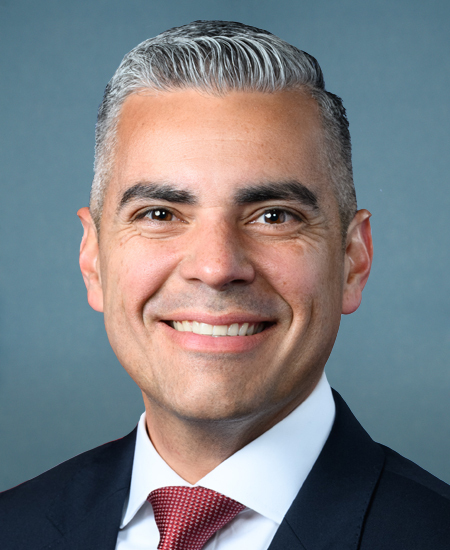
Rep. Juan Ciscomani
Sponsored bills
Maddy summaryThis bill extends medical care coverage for family caregivers of veterans for 180 days after they stop serving as primary providers (unless dismissed for fraud), addressing a gap in support during transition. It provides employment assistance including up to $1,000 in reimbursement for certification fees, free training modules, and access to military/veterans workforce programs during that 180-day period. The bill also adds bereavement counseling if a veteran dies and requires two studies: one on re-entry workforce programs for caregivers, and another on hiring former caregivers at VA facilities. Key direct beneficiaries are family caregivers designated under VA’s program who are transitioning out of caregiving roles.
Maddy summaryThe Pharmacists Fight Back Act (HR 9096) sets new rules for Pharmacy Benefits Managers (PBMs) working with federal health care programs like Medicare Part D and Medicaid. It requires PBMs to reimburse in-network pharmacies at a rate covering the drug's actual cost plus a small fee (capped at $25), and to reduce patient cost-sharing by at least 80% of rebates received from drug manufacturers. The bill bans PBMs from steering patients to specific pharmacies, charging patients more than pharmacies are paid, or using rebates to lower pharmacy payments after claims are processed. It also mandates public reporting of drug pricing data to improve transparency, ensuring patients and pharmacies receive fairer treatment under federal health programs.
Maddy summaryThe PROVE IT Act of 2024 directs the U.S. Energy Secretary to study and publicly report on the greenhouse gas emissions intensity of key U.S. manufactured products (like steel, aluminum, lithium batteries, and critical minerals) compared to those produced in "covered countries" (including the EU, China, and major trading partners). It requires a transparent methodology for calculating emissions data, identifies gaps in existing data, and establishes a public online database showing U.S. emissions advantages for these products. The bill also mandates an annual report on foreign countries using forced labor or human rights abuses in the production of critical minerals or rare earths. Importantly, it clarifies the study does not create new taxes, fees, or mandatory reporting requirements.
Maddy summaryThis bill requires Medicare Advantage plans to implement electronic prior authorization systems by 2027 and publish detailed data on their approval and denial rates for medical services by 2026. It directly affects Medicare Advantage plans (private insurers offering Medicare coverage) and their enrollees (seniors 65+), mandating transparency about prior authorization decisions, processing times, and appeal outcomes. Key provisions include requiring plans to report annual statistics on request approvals/denials, average processing times, and use of technology, with this data published publicly by the Centers for Medicare & Medicaid Services. The bill also sets timelines for plan responses to prior authorization requests and mandates reports to Congress on implementation and impacts.
Maddy summaryThis bill would streamline the process for making certain oral contraceptives available over-the-counter for adults aged 18 and older. It requires the Health and Human Services Secretary to prioritize review of applications for these contraceptives (excluding emergency contraceptives or drugs also approved for abortion), waive associated fees, and ensure they remain available without a prescription after approval. Minors under 18 would still require a prescription for these contraceptives. Additionally, the bill mandates a GAO report within one year detailing federal funding for contraception across programs like Medicaid, Medicare, and the Affordable Care Act health exchanges over the prior 15 years.
Maddy summaryThis bill aims to increase participation in clinical trials among underrepresented populations - including racial/ethnic minorities, rural residents, and other historically excluded groups - by addressing financial and logistical barriers. It creates federal grants to fund community outreach, training for diverse clinical trial staff, and partnerships with community organizations. The bill also allows sponsors to cover participants' out-of-pocket costs (like travel and meals) and provide necessary digital tools without violating fraud laws, while making such payments tax-free up to $2,000 per year. These changes directly affect drug/device manufacturers, clinical trial sites, and underserved communities seeking equitable access to medical research.
Maddy summaryThe Essential Caregivers Act of 2024 requires nursing homes and similar facilities to allow residents to designate essential caregivers who provide emotional support or assistance with daily activities. During emergencies when regular visitation is restricted, facilities must permit at least one essential caregiver access to residents daily and cannot deny access without following specific procedures. Facilities may deny access for a maximum of 7 days during emergencies (or 14 days with state approval), and must provide a written explanation and appeal process if access is denied. The bill establishes a 48-hour appeal process for residents and caregivers to challenge denials, with facilities required to prove violations during appeals. This law applies to Medicare skilled nursing facilities, Medicaid nursing facilities, intermediate care facilities, and certain inpatient rehabilitation facilities.
Maddy summaryHR 8150 streamlines maintenance for U.S. Customs and Border Protection (CBP) at federal ports of entry by allowing small repair projects (up to $300,000) without lengthy approval processes. It requires CBP to establish and publish clear procedures for these projects, including project types and tenant impact plans, with annual adjustments tied to inflation. The bill directly affects CBP operations at ports where they conduct field activities, enabling faster upkeep of existing infrastructure. Annual reports to Congress must detail all projects, their costs, funding sources, and any budget transfers related to these maintenance efforts.
Maddy summaryThe SOAR Act of 2024 removes supplemental oxygen and related equipment, supplies, and services from Medicare's competitive bidding program, ensuring direct Medicare payment for these items starting in 2025. It establishes new payment rates for oxygen services, including specific rates for rural areas and liquid oxygen with annual inflation adjustments, and requires oxygen suppliers to provide specific services like initial evaluations, safety education, and 24-hour coverage. The bill also adds respiratory therapist services to Medicare coverage with a new payment add-on, requires electronic templates for documenting medical necessity for oxygen services, and establishes new beneficiary rights including the right to choose suppliers and receive timely equipment repairs. This legislation directly affects Medicare beneficiaries requiring oxygen therapy, oxygen suppliers, and respiratory therapists by changing how these services are paid for and delivered.