

Maddy summaryThis symbolic resolution (HRES 1435) expresses U.S. House concern about proposed constitutional reforms in Mexico, particularly those affecting the judiciary. It highlights that Mexico’s reforms would require federal judges (including Supreme Court justices) to be directly elected, eliminate independent judicial oversight, and reduce qualification standards. The resolution states these changes could undermine Mexico’s democratic institutions, separation of powers, and judicial independence - potentially harming U.S.-Mexico trade (over $750 billion in 2023) and security cooperation on issues like fentanyl trafficking. The House calls the reforms a risk to shared commitments under the USMCA and urges Mexico to preserve its rule of law framework.
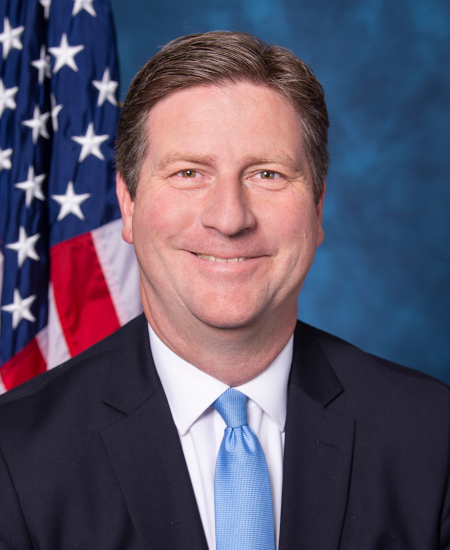
Rep. Greg Stanton
Sponsored bills
Maddy summaryThe DISPOSE Act authorizes the U.S. government to partner with Colombia, Mexico, and Peru to safely destroy chemicals used in illegal drug production. It requires the State Department, in coordination with Justice and Defense, to create a detailed implementation plan within 90 days - including timelines, budgets, and measurable goals - and provide annual progress reports to Congress on chemical destruction efforts. The initiative aims to prevent these chemicals from re-entering drug manufacturing, free storage space for future seizures, and reduce environmental harm from hazardous waste.
Maddy summaryHRES 1473 is a non-binding resolution passed by the U.S. House of Representatives that condemns racism, bigotry, and misinformation targeting Haitian people and their descendants. It celebrates the historical contributions of Haitian Americans to U.S. society, including founding cities (like Chicago via Jean Baptiste Point du Sable), advancing civil rights (W.E.B. Du Bois), and enriching healthcare, education, and culture. The resolution specifically calls on all Americans to reject racist tropes and misinformation, and urges elected officials to promote inclusivity and responsible communication. It was introduced in response to recent false claims that fueled threats against Haitian communities, such as the bomb threats in Springfield, Ohio.
Maddy summaryThis bill amends the Justice for United States Victims of State Sponsored Terrorism Act to establish a fifth round of payments for eligible victims of state-sponsored terrorism, requiring all authorized payments to be distributed by December 31, 2024. It directs specific funds into the Victims of State Sponsored Terrorism Fund, including $898 million from the Binance case settlement and 50% of annual unobligated balances from DOJ and Treasury forfeiture funds starting December 1, 2024. The bill mandates annual payments beginning January 1, 2025, for eligible claimants and requires the Special Master to submit annual reports on fund activity to Congress, including detailed deposit and disbursement records. It directly affects victims of state-sponsored terrorism, the Special Master administering the fund, and federal agencies managing forfeiture funds.
Maddy summaryHR 6319 (the 911 SAVES Act of 2023) requires the Office of Management and Budget to reclassify public safety telecommunicators as "Protective Service Occupations" within 30 days of enactment. This change corrects their current misclassification in the federal Standard Occupational Classification (SOC) system, which is used for statistical data on jobs. The bill directly affects how these professionals - critical in emergency calls involving missing children, active threats, and officer safety - are officially categorized in government workforce data. It does not create new benefits or funding but aims to better recognize their lifesaving role through accurate federal job classification.
Maddy summaryHR 9647, the President Jimmy Carter Congressional Gold Medal Act, authorizes Congress to award a single gold medal to former President Jimmy Carter in recognition of his service. The bill directs the Treasury Secretary to design and strike the medal, with bronze duplicates available for sale to cover costs. It does not create new policies or affect any government programs or individuals beyond this ceremonial honor. The medal is intended to commemorate Carter's presidency, humanitarian work through the Carter Center, and his Nobel Peace Prize. This is a procedural bill with no substantive legislative impact.
Maddy summaryHRES 1448 is a non-binding House resolution stating that the House believes every person has the right to emergency health care, including abortion care, during medical emergencies. It specifically addresses concerns that abortion restrictions force medical providers to choose between treating patients in life-threatening situations or risking criminal charges. The resolution highlights that such restrictions disproportionately harm Black, Indigenous, people of color, immigrants, low-income individuals, and LGBTQI+ patients. It does not change existing laws but expresses congressional support for ensuring access to emergency care without legal barriers. The resolution was introduced by multiple House members and referred to the Energy and Commerce Committee.
Maddy summaryHR 8656, the Modernizing Wildfire Safety and Prevention Act of 2024, creates new training programs for wildland firefighters including a Middle Fire Leaders Academy and wildfire workforce grants to improve response capabilities. It establishes a Wildland Fire Management Casualty Assistance Program to support families of injured or deceased firefighters and develops a National Smoke Monitoring and Alert System to improve public health responses to wildfire smoke. The bill creates a Joint Office of the Fire Environment Center to coordinate wildfire data and technology across federal agencies and requires federal agencies to process wildfire-related assistance payments within 90 days of approval. This legislation directly affects federal wildland firefighters, wildfire response organizations, communities in wildfire-prone areas, and public health agencies.
Maddy summaryHR 3507, the "Yes In My Backyard Act," requires local governments receiving certain federal Community Development Block Grants (CDBG) to report on their progress toward adopting specific housing-friendly land use policies. It directly affects cities and counties that administer CDBG funds by mandating they submit plans tracking 22+ policy changes, such as allowing duplexes in single-family zones, reducing parking requirements, or streamlining permits. The bill does not require local governments to adopt these policies but requires them to document their current status and plans for implementation. This reporting mechanism aims to identify barriers to affordable housing without binding local governments to specific actions. The requirement applies to CDBG recipients starting one year after the bill's enactment.
Maddy summaryHR 9368, the Border Weather Resiliency Act of 2024, requires U.S. Customs and Border Protection (CBP) to assess how hazardous weather events (like storms, floods, extreme heat, or wildfires) impacted its operations, personnel safety, and border infrastructure over the past five years. It mandates CBP to submit a report on these impacts to Congress within 180 days, followed by a strategy within one year to improve weather preparedness for CBP's duties, personnel, and technology. The strategy must include a cost-benefit analysis and involve consultation with agencies like NOAA and border state governors, but it cannot conflict with immigration law. The bill does not authorize new funding and focuses solely on assessment and planning, not changing border policy.