

Maddy summaryHRES 341 is a symbolic House resolution expressing support for Earth Day, not a substantive bill. It urges the President to issue an Earth Day proclamation, encourages Americans to address environmental challenges (like climate change and litter), and calls for rejoining the Paris Agreement - though these are non-binding recommendations with no legal force. The resolution references historical environmental legislation (like the Clean Air Act) but does not create new policies, allocate funds, or change regulations. It directly affects no specific group, as it solely serves to affirm environmental values through symbolic recognition. (Note: The document header incorrectly lists "Federal Water Pollution Control Act" as the bill text, but this is a formatting error; the actual resolution is about Earth Day.)
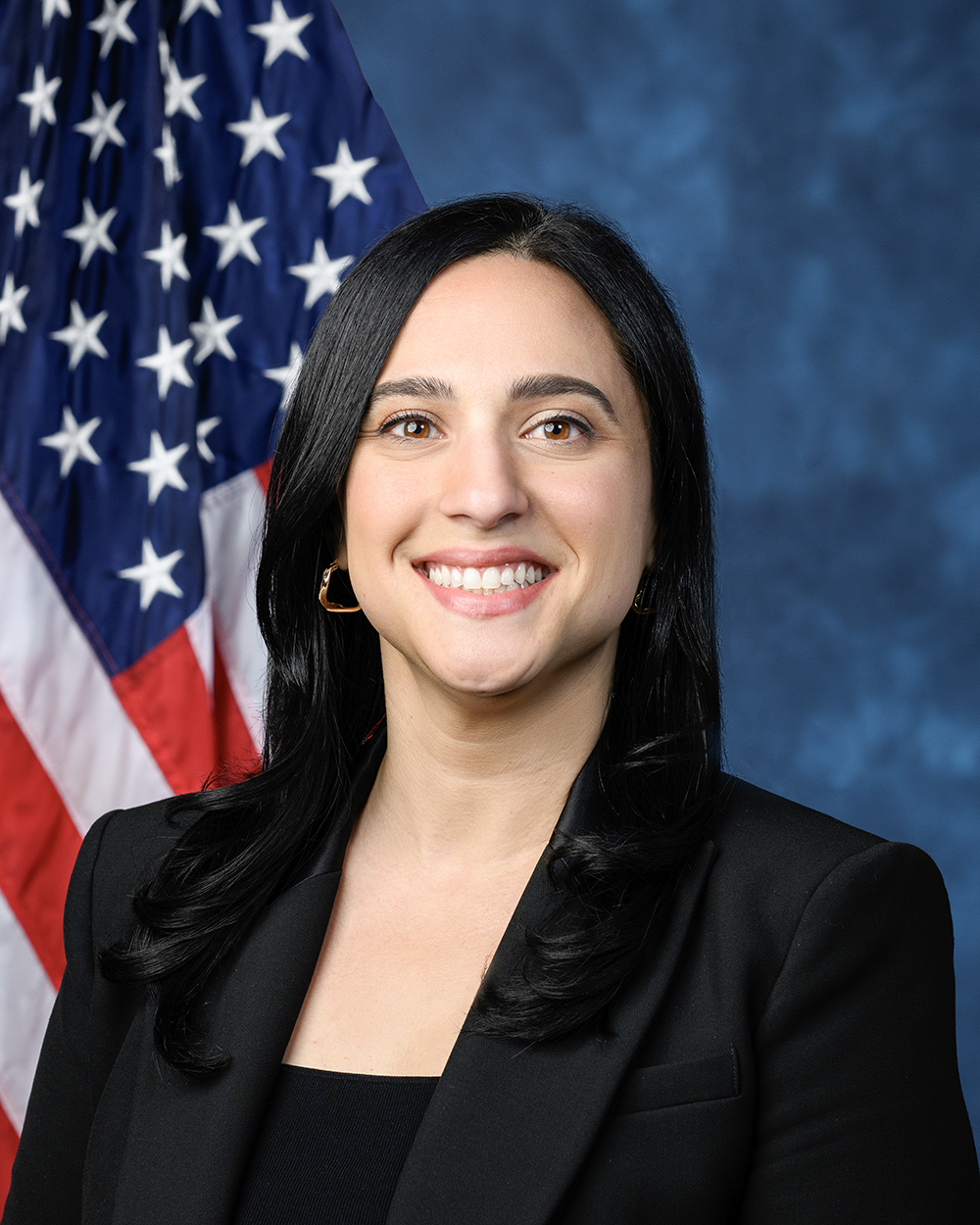
Rep. Yassamin Ansari
Sponsored bills
Maddy summaryHR 2971, the YOUNG Act of 2025, creates a new federal grant program to fund youth biodiversity monitoring projects using modern tools like drones, AI, and environmental DNA analysis. It directly supports schools, nonprofits, tribal governments, and local governments that run projects educating young people about wildlife science and conservation. The program allocates $1 million annually (2026-2032) to cover project costs such as supplies, transportation, and permits, with priority given to projects serving underserved communities facing systemic barriers. Grantees must report on participation and grant usage to Congress within two years of enactment.
Maddy summaryThe Hunger-Free Future Act of 2025 amends the SNAP program to require that any update to the thrifty food plan must not increase food insecurity. It mandates that adjustments to the diet cost must continue following existing rules while explicitly ensuring updates do not worsen food insecurity, defined as households lacking adequate food due to insufficient money or resources. This directly affects SNAP beneficiaries by setting a new standard for how the program's cost calculations are reviewed. The bill changes the procedural requirement for SNAP re-evaluations without altering benefit amounts or eligibility rules.
Maddy summaryHR 2357, the Food Secure Strikers Act of 2025, removes a restriction that previously barred workers on strike from receiving Supplemental Nutrition Assistance Program (SNAP) benefits. The bill amends the Food and Nutrition Act of 2008 to eliminate language making workers ineligible for SNAP "as a result of being on strike," ensuring striking workers are not automatically denied food assistance during labor disputes. This change directly affects workers participating in strikes who would otherwise lose access to SNAP benefits. The key mechanism updates the eligibility rules to prevent SNAP ineligibility solely due to strike participation.
Maddy summaryThe Housing for All Act of 2025 creates new funding streams and expands existing housing programs to address housing shortages and homelessness. It authorizes $45 billion annually for a Housing Trust Fund, $40 billion for the HOME Investment Partnerships Program, and $14.5 billion for project-based rental assistance. The bill expands the housing choice voucher program by 500,000 vouchers in 2025, increasing to 1 million by 2028, and establishes new programs including Safe Parking Programs, Eviction Protection Grants, and Mobile Crisis Intervention Teams. The legislation also creates a racial equity commission to address housing disparities and requires reports on eviction data and inclusive transit-oriented development.
Working for Immigrant Safety and Empowerment Act or the WISE Act This bill expands eligibility for U nonimmigrant visas (victims of criminal activity) and prohibits immigration enforcement activities in specified areas. Generally, U visas are for victims of specified crimes (e.g., rape, trafficking, or domestic violence) who assist with the investigation or prosecution of the crime. The bill adds hate crimes, child abuse, and elder abuse as crimes that may qualify a victim for a U visa and removes criteria related to the victim's assistance with the investigation or prosecution of the crime. Furthermore, the Department of Homeland Security (DHS) must provide work authorization to U visa applicants, whereas currently DHS may grant work authorization but is not required to do so. The bill also eliminates the annual numerical cap on U visas. The bill establishes a rebuttable presumption that certain individuals, including U visa applicants and T visa (victims of human trafficking) applicants, shall not be detained while the application is pending. Additionally, the bill provides immigration-related protections, such as by extending the admission period and providing work authorization, to the spouse or child of a nonimmigrant visa holder who subjected that spouse or child to battery or extreme cruelty. Further, the bill prohibits, with some exceptions for exigent circumstances, U.S. Immigration and Customs Enforcement or U.S. Customs and Border Protection from conducting immigration enforcement actions within 1,000 feet of a school, health care facility, place of worship, or other location specified in the bill.
Maddy summaryThe Pursuing Equity in Mental Health Act (HR 2904) aims to reduce mental health disparities affecting racial and ethnic minority groups by modifying federal grant programs, requiring research on disparities, and funding targeted initiatives. It directs the Health and Human Services Secretary to prioritize grants for community health organizations serving minority populations, mandates a National Institutes of Health study on mental health research gaps in these groups, and establishes training programs for health professionals to address cultural competency in mental health care. The bill also requires a public outreach strategy developed with community input to reduce stigma and improve access to culturally appropriate care, alongside $20 million annually (2026-2031) for this effort. Additional funding includes $150 million yearly for NIH mental health research and $750 million yearly for the National Institute on Minority Health.
Maddy summaryHR 2837 establishes an Advisory Council under the Department of Health and Human Services to improve access to existing resources for victims of gun violence. The council, composed of federal agency heads and appointed victims/support professionals, will assess needs, identify effective programs, and compile a public resource hub with contact information for medical, financial, mental health, legal, and government support services. It requires a detailed report within 180 days of enactment and a follow-up report within two years, focusing on gaps in current assistance and coordination. The bill directly affects individuals defined as victims of gun violence (including those wounded, threatened, witnessing incidents, or related to victims) and aims to connect them to existing federal, state, and nonprofit resources without authorizing new funding. The council will sunset after five years.
Maddy summaryHR 2843 establishes an Advisory Committee to review and recommend renaming Federal land units (such as national parks, forests, and wildlife refuges) with names containing racial slurs, honoring individuals who held racist views or committed atrocities against minorities, or perpetuating stereotypes. The Committee will gather public input, propose new names, and submit recommendations to the Board on Geographic Names, which must act on these proposals within three years. This process aims to replace offensive names with equitable alternatives across all federal lands, following defined criteria for "offensive place names." The bill creates a structured, public review mechanism to address historically insensitive geographic names without altering existing federal land management authority.
Maddy summaryThe Community First Act provides federal grants to local governments and community partnerships to reduce jail populations and shorten pretrial stays. It funds planning grants ($100,000 for 1 year) and implementation grants ($500,000-$3 million over 6 years) for evidence-based strategies like expanding pretrial services, reducing cash bail, and creating non-incarceration diversion programs. Grantees must achieve specific annual jail reduction targets (5% in year one, 50% by year six) while addressing racial/ethnic equity disparities in incarceration data. The bill directly affects communities with high local jail rates, particularly those disproportionately impacted by the justice system, by requiring data-driven reforms and community collaboration.