

Maddy summaryThis bill prohibits the Department of Veterans Affairs (VA) from discriminating against transgender veterans in healthcare, specifically requiring the VA to provide medically necessary treatments for gender dysphoria. It directly affects transgender veterans seeking VA health services by mandating that the VA cannot deny such care or misgender patients based on gender identity. The law adds a new section to VA healthcare law explicitly banning gender identity discrimination and ensuring access to gender dysphoria treatments, aligning with existing protections under the Affordable Care Act. Additionally, it requires the VA to provide quarterly reports to Congress on how transgender veterans receive healthcare services under this new standard.
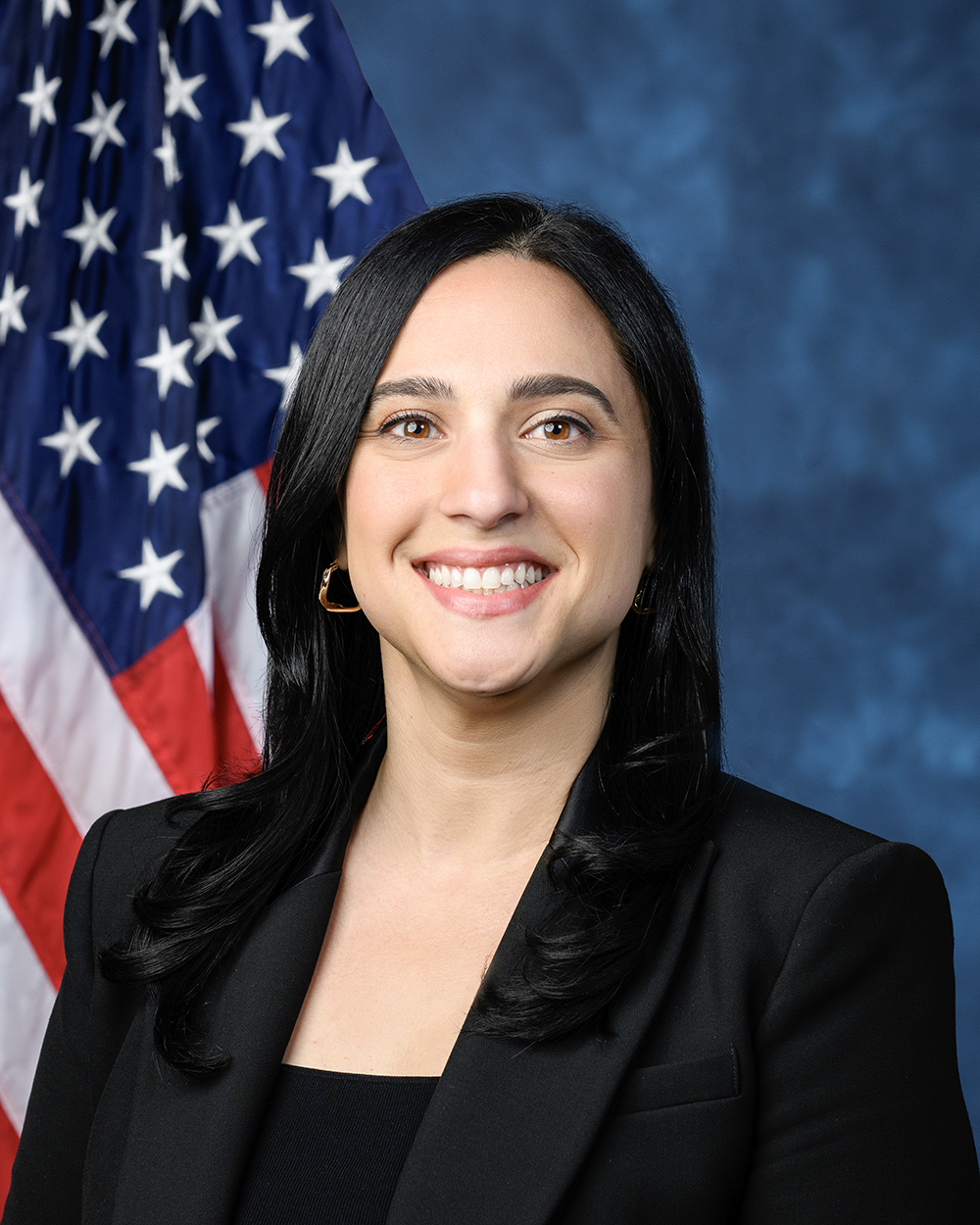
Rep. Yassamin Ansari
Sponsored bills
Maddy summaryThis resolution formally recognizes the vital role of Spanish-language media in serving over 41 million U.S. residents who speak Spanish at home. It affirms that access to Spanish-language news and entertainment is essential for community engagement, combating misinformation, and supporting democratic participation. The House resolution specifically commends Spanish-language media professionals and encourages policies that sustain this media sector, which provides culturally relevant information on elections, health, and civic life. As a symbolic gesture (not a law), it has no direct policy changes but highlights the sector's importance to Latino communities and national inclusivity.
Maddy summaryHRES 807 is a procedural resolution requesting the President to provide specific documents to the House of Representatives about government employee pay during a funding gap. It asks for unredacted communications related to potential pay withholdings, legal arguments about the Government Employee Fair Treatment Act, and plans affecting furloughed federal employees during the October 1, 2025, appropriations lapse. The resolution directly targets the President and relevant agencies (like OMB and OPM) to disclose internal records within 14 days. It does not change policy but seeks transparency about decisions impacting federal workers' pay during a funding interruption.
Maddy summaryThis bill ensures tribal housing programs continue during government shutdowns by appropriating $1.6 billion from general Treasury funds during any lapse in discretionary appropriations. It directly affects tribal nations by allowing the Department of Housing and Urban Development (HUD) to keep processing funding requests, managing existing programs, and guaranteeing loans under the 1996 Native American Housing Act for both Indian and Native Alaskan communities. Key provisions include funding HUD staff to handle critical housing program operations - like issuing funding notices and processing loan guarantees - without interruption. The bill requires HUD to report to Congress within 90 days of any funding lapse about actions taken using these funds. This provides concrete continuity for tribal housing projects that would otherwise stall during budget gaps.
Maddy summaryThis resolution requires the House of Representatives to hold daily meetings and recorded attendance checks during government shutdowns. Members must electronically confirm their presence each day via a "quorum call," with fines of $500 for a first offense and $2,500 for repeat failures. Fines cannot be paid using campaign or official funds, and the rules apply to all House members, including delegates and the Resident Commissioner. The bill aims to ensure continuous House operations during shutdowns but does not alter the cause or duration of shutdowns.
Maddy summaryThis bill makes federal funding for the WIC program mandatory by requiring Congress to appropriate necessary funds annually for fiscal year 2026 and each subsequent year. It removes discretionary language from WIC funding requirements and clarifies that eligible participants must be served without participation limits. The bill directly affects low-income pregnant women, new mothers, and young children who rely on WIC for nutrition assistance, ensuring continued access to critical food, health, and education services.
Maddy summaryHRES 792 is a symbolic resolution designating May 31, 2026, as "Youth Mental Health Day" and September 9 annually as "Youth Suicide Prevention Day." It calls for increased investments in youth mental health services and encourages state and local governments to adopt these observances while promoting community-based mental health initiatives. The resolution does not create new laws or allocate funding but aims to raise awareness about the youth mental health crisis, which disproportionately affects marginalized groups like LGBTQ+, Black, Indigenous, and low-income young people. It references CDC and NIH data showing rising rates of depression, suicidal ideation, and suicide among U.S. youth, particularly ages 10-34.
Maddy summaryThis bill creates a federal grant program to help communities develop non-police mental health crisis response teams. It provides funding for local governments, clinics, fire departments, and nonprofits to recruit behavioral health professionals, establish co-response teams (combining mental health clinicians with emergency responders), and integrate these teams into 911 or 988 dispatch systems. The grants specifically support replacing police as the primary responders for mental health crises with clinician-led mobile teams or emergency medical services, while respecting existing state laws on detention. Recipients must report on response outcomes, diversion rates (cases handled without police), and community feedback.
Maddy summaryHR 5725, the Mental Health Crisis Response Act of 2025, establishes a federal grant program to help state and local governments create health-centered alternatives for mental health emergencies. It provides $25 million annually (2027-2031) for jurisdictions to embed mental health professionals in 911 systems, develop direct routing to crisis hotlines like 988, and build partnerships between emergency services and dispatch centers. The bill specifically aims to reduce law enforcement involvement in behavioral health crises by creating streamlined pathways to crisis care, without requiring police removal or overriding state emergency authority laws. Jurisdictions receiving grants must report on response times, use of force, and diversion rates to health services.
Maddy summaryHR 5673, titled "Stop the Trump Electricity Price Hikes Act," would reinstate financial assistance awards terminated by the Department of Energy under a May 15, 2025, secretarial memorandum. It directly affects recipients of these awards - likely energy or infrastructure projects - that had their funding cut, by restoring their financial support as if the terminations never occurred. The key mechanism requires the Department to treat all such terminated awards as valid and continuing, overriding prior termination actions. This bill does not address electricity pricing, consumer rates, or introduce new energy regulations.