

Maddy summaryThis bill, HR 5973, requires federal immigration enforcement personnel to follow strict limits on force use, including proportional application, mandatory de-escalation efforts, and prohibitions on equipment like flash bangs or rubber bullets except for specific public safety threats. It mandates body-worn and vehicle cameras for all operations, with footage retained for one year (three years for force incidents or complaints), and grants affected individuals the right to inspect recordings. The law also requires annual training on force policies, First Amendment compliance, and racial bias avoidance, while demanding detailed quarterly reports to Congress on force usage, assaults on agents, and equipment approvals. These provisions directly affect all federal immigration agents conducting enforcement actions, aiming to increase transparency and accountability during operations.
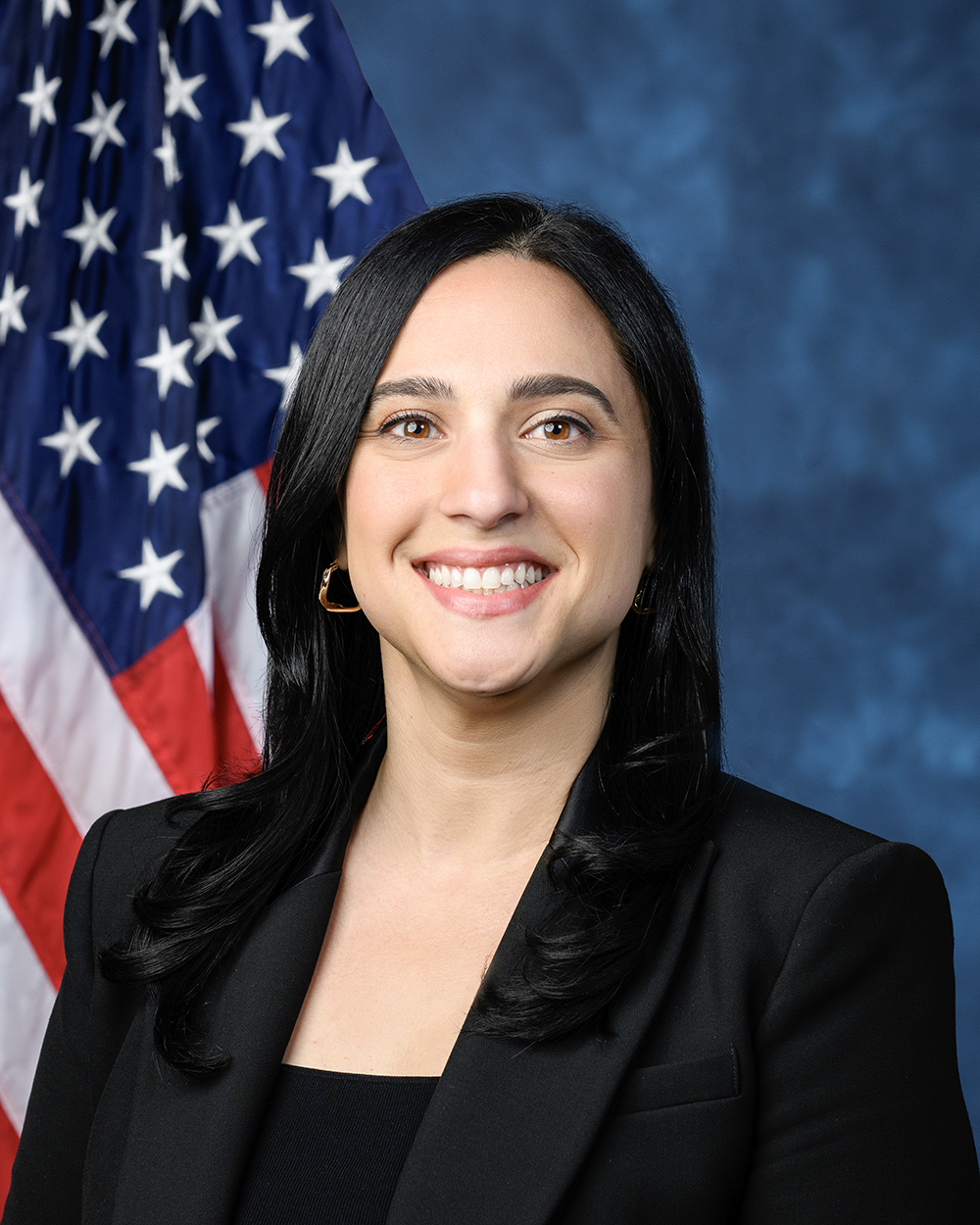
Rep. Yassamin Ansari
Sponsored bills
Maddy summaryThis bill creates a temporary exception to the parole fee for non-citizens (aliens) entering the U.S. for sacred Tribal or religious ceremonies, cultural exchanges, or celebrations. During a two-year period starting from enactment, eligible aliens must undergo a background check, submit a written request to the Secretary of Homeland Security, be enrolled in a tribal cultural program operated by a federally recognized tribe with trust land near the Southwest border, and pay a $200 fee instead of the standard fee. The exception applies only when the Secretary determines the entry would provide a significant public benefit. It directly affects non-citizens seeking to participate in these cultural events and federally recognized tribes operating such programs.
Maddy summaryHRES 846 is a symbolic resolution designating October 2025 as National Domestic Violence Awareness Month. It expresses the House's support for raising awareness about domestic violence and its impacts, and calls for continued congressional attention to ending domestic violence through existing programs. The resolution does not create new laws, allocate funding, or directly affect any specific groups - it is purely a statement of support. It references statistics on domestic violence prevalence but focuses on awareness rather than policy changes.
Maddy summaryHRES 849, the "Ban Crypto Corruption Resolution," would prohibit current and prospective federal elected officials (including the President, Vice President, Members of Congress, and their immediate families) from creating, endorsing, or holding digital assets like cryptocurrencies, memecoins, or NFTs. It requires these individuals to place existing digital assets in a blind trust during their service and for two years afterward, mandates full public disclosure of all crypto transactions, and bans foreign investment in politician-linked digital ventures. The resolution also establishes civil and criminal penalties for violations and clarifies that any personal crypto activities would be deemed unofficial acts. This applies broadly to all covered officials, aiming to prevent conflicts of interest, self-enrichment, and foreign influence through digital asset activities.
Maddy summaryHouse Resolution 838 recognizes Día de los Muertos (Day of the Dead) as an annual celebration honoring deceased loved ones, particularly within Mexican-American, Latino, and Indigenous communities. The resolution acknowledges the holiday's cultural significance, including its historical roots and role in fostering family bonds, and expresses solidarity with families who have lost loved ones, especially those who died in immigration custody. It urges federal agencies to ensure humane treatment of individuals in immigration custody during cultural observances but does not create new legal requirements or policy changes. As a commemorative resolution, it serves only to symbolically affirm the holiday's importance without altering laws or funding.
Maddy summaryThe American Energy Independence and Affordability Act extends multiple clean energy tax credits that were set to expire between 2025 and 2026. It specifically extends residential clean energy credits through 2034, clean electricity investment credits for wind and solar through 2032, and clean vehicle credits for electric vehicles through 2032. The bill also reinstates special rates for sustainable aviation fuel and modifies requirements for energy-efficient home improvements. These provisions directly affect homeowners installing solar panels, businesses investing in clean energy infrastructure, and manufacturers producing clean energy equipment.
Maddy summaryThis bill amends the tax code to allow businesses to claim charitable tax deductions for donating specific food-related equipment to hunger-relief organizations. It creates a new category called "qualified property," covering fully functional food storage equipment (like industrial freezers), transportation vehicles (delivery trucks), and meal preparation tools (industrial ovens, packing machinery). Donors can deduct up to 25% of the equipment's fair market value, with annual limits of $500 for transport equipment and $15,000 for preparation equipment. The changes apply to tax years beginning after December 31, 2025, and only affect donations to organizations whose primary mission is distributing food to people in need.
Maddy summaryHRES 825 is a procedural resolution requesting the President to provide specific unredacted documents to the House of Representatives within 14 days. It seeks all communications related to government agencies' public messaging during the October 2025 funding lapse, including OMB directives to agencies, HUD's website statement about the shutdown, modified email messages from the Department of Education for furloughed staff, and internal reviews of whether such communications violated federal laws. This resolution focuses solely on transparency regarding government communications during the funding lapse, not on policy changes. As a procedural request for information, it does not alter laws or affect any specific group.
Maddy summaryHR 5799, the FALCON Act of 2025, requires federal agencies, contractors, and grant recipients to comply with Inspector General (IG) requests for information or access within 60 days. It mandates that covered entities (including agency staff, contractors, and grantees) must respond to IG requests or face potential disciplinary actions like suspension, removal, or contract penalties. The bill also requires IGs to notify Congress and agency heads within 30 days if an entity fails to comply, detailing the non-compliant party's role and the request's subject. This applies to all covered agencies as defined in the bill, aiming to strengthen oversight by ensuring timely cooperation with IG investigations.
Head Start Shutdown Protection Act of 2025 This bill requires the Department of Health and Human Services to reimburse a state, local government, or school district that uses its funds to maintain participation in the Head Start program or the Early Head Start program during a government shutdown in which there is a lapse in federal appropriations for the programs. The Head Start programs provide comprehensive early childhood education and development services to low-income children. The programs seek to promote school readiness through the provision of educational, health, nutritional, social, and other services.