

Maddy summaryHR 3948, the Care for COFA Veterans Act, expands access to Department of Veterans Affairs (VA) health care for veterans residing in the Freely Associated States (FAS) - Palau, the Marshall Islands, and Micronesia. It authorizes the VA to provide hospital care and medical services (including for non-service-connected disabilities) directly, through contracts, or via reimbursement within the FAS, and covers travel expenses for veterans traveling to the FAS for treatment. The bill requires the VA to address legal barriers like healthcare provider licensing and pharmaceutical deliveries, conduct outreach with FAS governments, and submit a report within one year detailing implementation plans and resource needs. This bill directly affects veterans in the FAS who previously faced significant challenges accessing VA care due to geographic and administrative barriers.
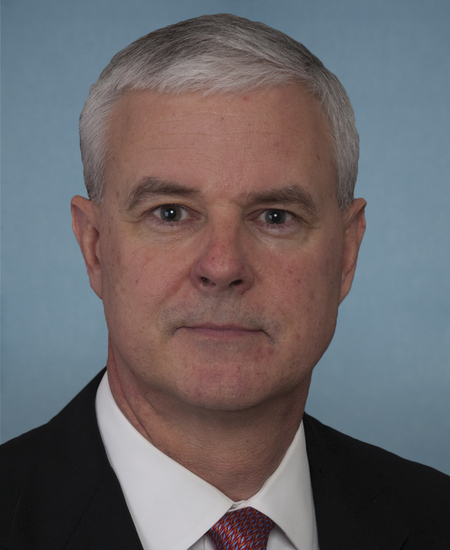
Rep. Steve Womack
Sponsored bills
Maddy summaryHR 4335, the VA Loan Informed Disclosure Act of 2023, requires mortgage lenders to include specific information about VA home loan programs in standard mortgage disclosures. The bill amends the National Housing Act to mandate that lenders provide details on VA loans (guaranteed under Title 38) alongside other loan options, including assumptions about prevailing interest rates. This change directly affects lenders processing VA-guaranteed mortgages, ensuring borrowers receive clearer comparisons between VA loans and other financing. The law does not require lenders to verify borrower eligibility for VA loans, only to include the specified disclosure language.
Maddy summaryThe Healthcare for Our Troops Act eliminates premiums for individual TRICARE Reserve Select healthcare coverage for members of the Selected Reserve (part-time military members) while establishing a no-premium dental plan for these service members. It also adjusts eligibility for retirees under 60 who receive retired pay for non-regular service. The bill requires new forms for healthcare providers to track medical and dental readiness of Selected Reserve members, and mandates a study on replacing mass medical events with the new coverage model. These changes apply to TRICARE healthcare beginning one year after the bill's enactment.
Maddy summaryHJRES 69 is a resolution seeking to disapprove an Environmental Protection Agency (EPA) rule published on June 5, 2023, which established a "Federal Good Neighbor Plan" for the 2015 ozone air quality standards. The rule aimed to address ozone pollution crossing state lines, particularly affecting southeastern states and industries subject to the 2015 ozone standards. This resolution would block the rule from taking effect by invoking the Congressional Review Act, preventing it from being enforced. If enacted, it would directly stop the EPA from implementing this specific plan, impacting states and businesses that would have had to comply with the rule.
Maddy summaryHR 4038, the POPP Act, blocks the Environmental Protection Agency (EPA) from finalizing, implementing, or enforcing a specific proposed rule about greenhouse gas emissions from power plants. This rule, published in May 2023, aimed to set new standards for emissions from fossil fuel-fired power plants and replace an earlier rule. The bill prohibits the EPA from moving forward with this rule or any substantially similar rule, directly affecting the EPA's regulatory authority and power plant operators who would have been subject to the proposed standards. The bill bases this prohibition on arguments that the proposed rule violates the Clean Air Act by not demonstrating that required emission reduction technologies are commercially viable and cost-effective.
Maddy summaryThis proposed constitutional amendment would give Congress the authority to ban physical acts that desecrate the U.S. flag, such as burning or trampling. If ratified by 38 states (three-fourths of all states), it would allow federal laws prohibiting such acts. The amendment does not currently prohibit flag desecration but seeks to change the Constitution to permit it. It would directly affect individuals engaging in physical flag desecration. The bill is pending in the House Judiciary Committee and requires state ratification to become part of the Constitution.
Maddy summaryHR 3808 extends the visa cap for Afghan allies from 38,500 to 58,500, covering Afghan nationals who worked with U.S. forces or international missions in Afghanistan (e.g., interpreters, translators) under the 2009 Afghan Allies Protection Act. It requires the State Department to create a strategy within 180 days to improve processing efficiency, including reviewing staffing, data collection, and appeal procedures for pending applications. The bill also adds provisions for reimbursing applicants' medical exam costs, allowing virtual interviews for visa applications, and ensuring denials include appeal options. These changes directly affect Afghan allies awaiting visas and aim to accelerate their resettlement in the U.S.
Maddy summaryThe NOTAM Improvement Act of 2023 requires the Federal Aviation Administration (FAA) to establish a task force within 180 days to review and improve the system for delivering flight safety notices (NOTAMs) to pilots. The task force, including representatives from airlines, airports, pilot and dispatcher unions, and aviation safety experts, will evaluate current practices and recommend ways to make notices more accurate, timely, and user-friendly. The FAA must also implement a new Federal flight safety notice system by September 30, 2024, including a backup system and a plan for global standardization with international aviation formats. The task force must submit its recommendations to Congress within one year, focusing on enhancing safety information delivery for pilots and air traffic operations.
Maddy summaryHR 3792 extends U.S. security funding for Israel through 2028 (Section 3) and expands energy cooperation to include advanced nuclear technologies and carbon capture (Section 5). It requires annual reports on regional security partnerships involving Israel (Section 6) and ensures countries in the Abraham Accords can access U.S. development programs (Section 8). The bill also mandates reports on diplomatic efforts against ICC investigations targeting the U.S. and Israel (Section 10) and encourages people-to-people programs to strengthen the Abraham Accords (Sections 7, 9). These provisions directly affect Israel’s diplomatic engagement, security partnerships, and economic cooperation in the Middle East.
Maddy summaryThe HALT Fentanyl Act expands the definition of fentanyl-related substances in the Controlled Substances Act to include many structurally similar compounds, making it easier to regulate new fentanyl analogs without individual listing. It defines these substances based on specific chemical modifications to fentanyl, with limited exceptions for substances already controlled or listed elsewhere. The bill also streamlines research procedures for schedule I substances by creating expedited registration processes and allowing multiple studies under one registration, while requiring the Attorney General to publish a list of substances meeting the new definition.