

Maddy summaryThis bill requires that AM radio receivers be included as standard equipment in all new motor vehicles (such as cars and trucks) sold in the United States, with a rule to be issued by the Department of Transportation within one year. The rule must ensure AM radio is easily accessible on the dashboard and allows manufacturers to use digital AM radio technology instead of traditional AM. During the one-year period between the bill's enactment and the rule's effective date, manufacturers must clearly label vehicles without AM radio. The bill also directs a study to evaluate whether an alternative system could deliver emergency alerts as reliably as AM radio across the country, especially during crises.
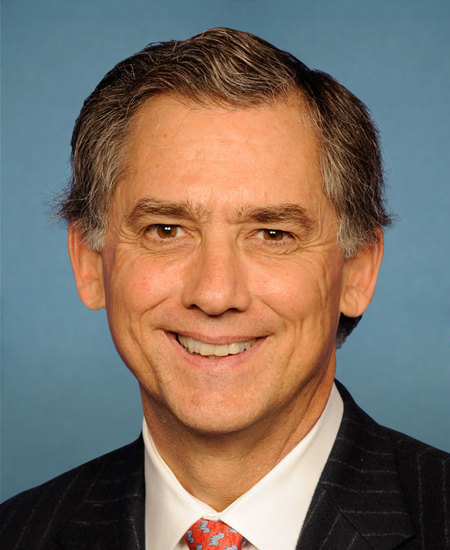
Rep. J. French Hill
Sponsored bills
Maddy summaryThis bill clarifies that the Department of Housing and Urban Development (HUD) has final authority over energy efficiency standards for manufactured housing. It requires any energy standards developed under federal law (like those from the Energy Independence and Security Act) to be formally adopted into HUD's manufactured housing construction standards before becoming enforceable. The bill directly affects manufactured housing manufacturers and HUD, as it ensures HUD - not other agencies - controls which energy standards apply. Key provisions eliminate references to the International Energy Conservation Code (IECC) and establish HUD as the sole authority for adopting these standards into its code. This streamlines the process but does not create new energy requirements.
Maddy summaryThe United States Secret Service Mission Improvement and Realignment Act of 2023 transfers the Secret Service from the Department of Homeland Security to the Department of the Treasury, while maintaining it as a distinct entity within Treasury. The bill includes transition provisions to ensure ongoing operations, administrative actions, and legal proceedings continue without disruption. It also requires an annual report on travel protection expenditures for protected individuals like the President, Vice President, and their immediate families. This change affects how the Secret Service is organized and overseen, with the Treasury Department now responsible for the agency's functions.
Maddy summaryThis bill allows utility companies (like electricity, gas, and internet providers) and landlords to report payment history for essential services to credit bureaus, expanding credit reporting beyond traditional loans. It directly affects consumers who pay these bills regularly but may lack traditional credit history, potentially helping them build credit. Key provisions limit reporting to actual payment behavior (not usage data) and prevent utilities from reporting late payments if a consumer is on a valid payment plan. The bill also requires a government study to assess the impact of this reporting on consumers within two years.
Maddy summaryThe Power of the Mint Act (HR 3402) requires Congress to explicitly approve any new digital currency issued by the Federal Reserve or directed by the Treasury Secretary. It amends federal law to prevent the Federal Reserve Board and Treasury from creating or directing a central bank digital currency (CBDC) without Congressional authorization. The bill directly affects the Federal Reserve and Treasury Department, ensuring they cannot unilaterally introduce a digital version of U.S. dollars. The law defines CBDC as a digital form of money in U.S. dollars that is a direct liability of the Federal Reserve.
Maddy summaryThe Housing PLUS Act of 2023 modifies federal homeless assistance funding under the McKinney-Vento Act to ensure grantees providing supportive services (like job training or addiction treatment) or requiring conditions for housing (such as sobriety) cannot be restricted from receiving funds. It mandates that at least 30% of Continuum of Care funds each year must support entities offering these wraparound services. The bill directly affects homeless assistance grantees, project sponsors, and faith-based organizations receiving federal housing funds. It also requires the Secretary to report annually to Congress confirming compliance with these funding rules.
This resolution emphasizes the importance of individual financial capability, reaffirms the Dodd-Frank Act's aims of developing opportunities for minorities and women in industry employment through partnering with organizations, supports the efforts of the Consumer Financial Protection Bureau to provide consumers with tools regarding important financial decisions, and urges the Department of the Treasury to consult with the Financial Industry Regulatory Authority.
Maddy summaryThe Protecting Taxpayers and Victims of Unemployment Fraud Act allows states to retain 25% of funds recovered from fraudulent unemployment claims (for pandemic-related benefits) to improve fraud prevention systems. States can use these retained funds to modernize unemployment systems, hire fraud investigators, reimburse administrative costs, or conduct other fraud prevention activities. The bill requires states to use specific data matching systems like the National Directory of New Hires to detect fraud more effectively. It modifies federal rules to ensure states can use recovered funds without violating deposit requirements. This legislation aims to reduce unemployment fraud while protecting taxpayers and victims of fraud.
Maddy summaryThe Employee Rights Act (HR 2700) amends key labor laws to strengthen employee rights in collective bargaining and privacy. It requires employers to use secret ballot elections for selecting bargaining representatives and to provide labor organizations with voter lists containing employee names and one form of contact information (chosen by the employee) within two business days of an election. The bill prohibits employers from using employee personal information for non-organizing purposes and mandates written authorization for using union dues on non-bargaining activities, with authorizations expiring after one year. Additionally, it clarifies joint employment standards to prevent misclassification and adds tribal sovereignty protections to labor law definitions.
Maddy summaryHRES 90 is a resolution demanding the Chinese government immediately release Mark Swidan, a U.S. citizen from Texas who has been detained since 2012 on drug trafficking charges. The resolution cites the UN Human Rights Council Working Group finding his detention arbitrary, with no evidence of drug offenses, passport records showing he wasn’t in China during the alleged crimes, and China denying his family contact and medical care. It specifically condemns China for blocking U.S. diplomatic access and calls on the U.S. government to prioritize Swidan’s release through diplomatic channels. The resolution focuses on the case’s documented legal and humanitarian issues, not broader policy implications.