

Maddy summaryThis resolution urges the U.S. Secretary of State to designate Nigeria as a Country of Particular Concern (CPC) under the International Religious Freedom Act of 1998, citing ongoing violence against religious minorities. It specifically calls for Nigeria to protect religious minorities, prosecute perpetrators of attacks, and address displacement of millions caused by religiously motivated violence. The resolution also recommends increased U.S. diplomatic engagement with Nigeria and targeted sanctions against those responsible for religious freedom violations. This follows the State Department's omission of Nigeria from its CPC list in 2021-2023 and its 2024 failure to release an annual report.
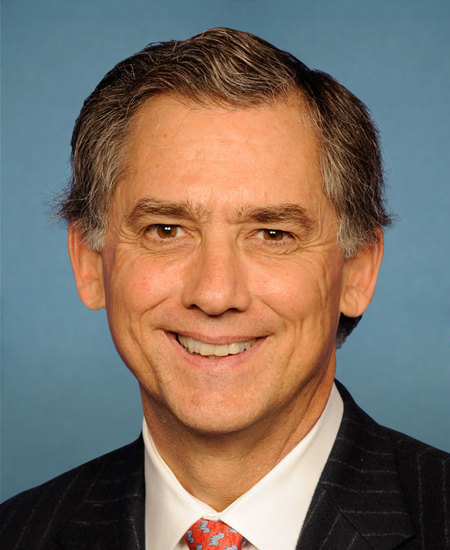
Rep. J. French Hill
Sponsored bills
Maddy summaryThe FLASH Act authorizes construction of navigable roads along federal border lands to improve U.S. Customs and Border Protection access and operational control. It requires federal agencies to develop protocols for reducing trash accumulation and environmental degradation from unauthorized border crossings, while targeting illegal cannabis cultivation sites with environmental response initiatives. The bill prohibits using federal funds to provide housing for undocumented immigrants on federal lands and establishes criminal penalties for illegal pesticide use. The legislation affects how federal land management agencies (National Park Service, Bureau of Land Management, etc.) operate along the southern border, with specific reporting requirements for environmental impacts and trash collection.
Maddy summaryHR 471, the Fix Our Forests Act, establishes a new system for identifying and managing high-risk wildfire areas called "firesheds" and creates a centralized Fireshed Center to coordinate wildfire risk management across federal agencies. The bill streamlines environmental reviews for wildfire risk reduction projects, allowing for faster implementation of hazardous fuels management activities in designated areas. It includes provisions for community wildfire risk reduction programs, water source protection, and specific initiatives for restoring white oak forests. The legislation also includes litigation reforms to expedite forest management projects and reduce delays from legal challenges. These provisions aim to reduce wildfire risk and improve forest health through more coordinated, data-driven management approaches.
Maddy summaryHR 1868 creates tax relief for U.S. citizens wrongfully detained or held hostage abroad. It postpones tax filing deadlines and prevents penalties for tax liabilities during the period of detention, treating that time as if it did not occur for IRS purposes. The bill also establishes a refund program by January 2026 to return penalties and interest already paid during detention, covering taxpayers from 2021 through the bill's enactment date. Eligibility is determined by the State Department or Hostage Recovery Fusion Cell, with the Treasury required to update systems and notify affected individuals. This directly affects U.S. nationals held captive or wrongfully detained, ensuring they aren't penalized for missed tax deadlines due to circumstances beyond their control.
Federal Firearms Licensee Protection Act of 2025 This bill modifies criminal penalties for an offense involving the theft of a firearm from a licensed importer, manufacturer, or dealer, or from their business premises. Specifically, the bill does the following: increases from 10 to 20 years the maximum prison term, and creates a 3- or 5-year mandatory minimum prison term for an offense that occurs during the commission of a burglary or robbery. An attempt to commit an offense is subject to the same penalties as a substantive offense.
Maddy summaryHCONRES 16 is a concurrent resolution scheduling a joint session of Congress in Philadelphia, Pennsylvania, on July 2, 2026. The session will commemorate the 250th anniversary (semiquincentennial) of the Declaration of Independence, which was approved in Philadelphia on July 4, 1776. This ceremonial gathering at Independence National Historical Park follows past congressional meetings held outside Washington, D.C., for historical milestones, such as the 1987 Constitution bicentennial event. The bill does not create new laws or alter policies - it solely directs the timing and location of a commemorative event.
Maddy summaryHR 250 requires the Joint Committee on the Library to procure a statue of Benjamin Franklin by December 31, 2025, and place it in a permanent, public-accessible location within the U.S. Capitol by December 31, 2026. The statue must be positioned to be viewable during guided Capitol tours offered by the Capitol Visitor Center. This is a procedural bill focused solely on the acquisition and placement of the statue, with no substantive policy changes or direct impact on constituents or laws.
Maddy summaryHRES 166 is a non-binding House resolution expressing U.S. support for the Iranian people's desire for a democratic, secular, and nonnuclear republic. It condemns the Iranian regime's terrorism, regional proxy wars, internal suppression of ethnic and religious minorities, and human rights abuses - including executions and repression of women-led protests. The resolution calls for holding the regime accountable through sanctions, supports the Ten-Point Plan for Iran’s democratic transition, and urges protection for Iranian political refugees in Albania. It does not create new laws but affirms U.S. policy alignment with Iranian protesters' demands.
Maddy summaryThis bill allows physical therapists to use temporary replacement staff (locum tenens) under Medicare, similar to how physicians currently can. It directly affects physical therapists providing outpatient services and Medicare beneficiaries relying on those services. The key change modifies Medicare rules to apply the same provisions for physical therapy services as are already used for physician services. This means physical therapists can more easily fill temporary staffing gaps without disrupting patient care. The amendment applies to services provided after the bill's enactment date.
Maddy summaryHR 1492 amends the Social Security Act to extend the negotiation period for standard drug manufacturers under the federal drug pricing program. Specifically, it changes the timeframe from 7 years to 11 years for small-molecule drugs (like traditional pills) to negotiate prices with the government, aligning it with the existing 12-year period for complex biologic drugs (like insulin or monoclonal antibodies). This adjustment directly affects pharmaceutical companies that produce small-molecule drugs, giving them a longer window to negotiate pricing terms. The bill makes this change effective as if it had been part of the 2022 law that established the program.