

Maddy summaryThis bill reauthorizes federal funding for diabetes programs targeting Type 1 diabetes. It extends annual funding of $160 million for fiscal years 2026 through 2030, continuing existing support for research, treatment, and prevention initiatives. The funds remain available until expended, directly supporting programs serving people with Type 1 diabetes and the organizations delivering these services. The bill makes no changes to program eligibility or structure, only extending current funding levels.
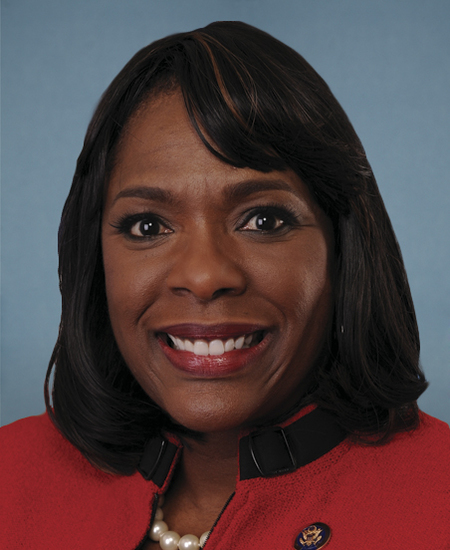
Rep. Terri A. Sewell
Sponsored bills
Maddy summaryHR 5476, the PARA Educators Act, provides federal grants to states to help recruit and retain school support staff (paraprofessionals) in public elementary, secondary, and preschool programs. It allocates funds based on previous Title I education funding, requiring states to prioritize schools serving high numbers of low-income students or those meeting specific poverty criteria. States can use the funds for proven programs like mentoring for paraprofessionals, professional development, helping staff earn credentials (e.g., special education or English learner certificates), and increasing wages or offering retention bonuses. The law mandates annual reporting on wage baselines, paraprofessional employment, and program outcomes. This bill directly affects paraprofessionals and the schools they support, particularly in high-poverty communities.
Maddy summaryHJRES 123 is a congressional disapproval resolution targeting a specific rule by the Centers for Medicare & Medicaid Services (CMS). It seeks to nullify CMS's June 2025 rule titled "Patient Protection and Affordable Care Act; Marketplace Integrity and Affordability," which was published in the Federal Register (90 Fed. Reg. 27074). If passed, the resolution would block this rule from taking effect under procedures outlined in Title 5, U.S. Code. The bill directly affects the CMS regulation governing the Affordable Care Act's health insurance marketplace, not the broader law itself.
Maddy summaryThis bill requires the 988 Suicide Prevention Lifeline to establish a dedicated "Press 3" option (via IVR) for LGBTQ+ youth seeking crisis support, directly affecting LGBTQ+ youth who face a four times higher suicide risk than peers. It mandates that at least 9% of funds allocated for the lifeline's services be reserved specifically for these specialized LGBTQ+ youth services. The bill amends existing law to formalize this dedicated resource, building on current services that handled over 1.5 million contacts from LGBTQ+ youth in 2025. This creates a concrete policy change for accessing tailored crisis support without altering other lifeline operations.
Maddy summaryThis bill ensures Medicare coverage for new medical devices designated as "breakthrough devices" during a 4-year period after FDA approval. To qualify, devices must meet specific criteria, including FDA priority review, clinical data from Medicare beneficiaries, and a safety review showing benefits outweigh risks. Medicare must finalize coverage decisions within 6 months of manufacturer applications and before the 4-year period ends. The law appropriates $10 million annually (2025-2030) for Medicare to administer this process.
Maddy summaryThis non-binding House resolution (HRES 726) designates September 16, 2025, as "National Voter Registration Day" to encourage civic engagement. It does not create new laws or requirements but urges eligible voters to register, verify their registration details with election officials, and participate in elections. The resolution specifically targets U.S. citizens who are eligible to vote, focusing on proactive steps to maintain accurate voter information. As a symbolic gesture, it has no legal effect on voting procedures or registration processes.
Maddy summaryThis bill prioritizes rural health workforce development by requiring federal grants for training programs to give preference to projects serving rural communities (where participants live, projects are held, or employer partners are located). It mandates that all funded projects include a transportation assistance plan, offering referrals to subsidized programs or direct payments for transit or vehicle costs when public transit isn't accessible. The bill also requires annual reports to Congress assessing how effectively these programs address rural health workforce shortages. These changes aim to improve access to health careers in underserved rural areas starting October 1, 2025.
Maddy summaryHR 5401, the Pay Our Troops Act of 2026, ensures military personnel, civilian Defense workers, and supporting contractors receive pay during government funding gaps in fiscal year 2026. It appropriates emergency funds for active-duty service members, reserves, and their supporting personnel (including Coast Guard staff under DHS) if regular appropriations aren't enacted by the end of the fiscal year. The bill provides necessary pay and allowances during any period when full-year funding is unavailable, covering both active service and support roles. Funding expires when regular appropriations are passed, a funding resolution is enacted, or January 1, 2027, whichever comes first. This is a procedural measure to prevent pay delays for military and support staff during fiscal year 2026 funding lapses.
Maddy summaryThe Climate Resilient Elections Act requires states to develop and update election continuity plans for climate-related disasters, with initial plans due by September 2028. It authorizes $20 million annually (2026-2030) for grants to help states improve election resilience through better equipment, training for election officials, and voter information systems. The bill also mandates a federal report analyzing how natural disasters impact voter registration and how federal assistance could better support election administration after disasters. These provisions directly affect states and election administrators, aiming to prevent election disruptions and voter disenfranchisement during increasingly frequent climate emergencies.
Maddy summaryThe Pathways to Health Careers Act creates federal grants to help low-income individuals (with family income up to 200% of the Federal poverty level) enter health profession careers. It funds training programs that include adult basic education, career coaching, child care, transportation, and legal assistance for people with arrest or conviction records. The bill specifically supports two demonstration projects: one helping individuals with criminal records enter health careers, and another focused on training doulas and midwives for pregnancy, birth, and postpartum care. Programs must provide structured career pathways to recognized health profession credentials and include support services like case management. The bill requires evaluations to assess effectiveness in addressing workforce shortages and improving participant outcomes.