

Maddy summaryHR 4070, the Tren de Aragua Border Security Threat Assessment Act, requires the Secretary of Homeland Security to conduct a detailed assessment of the criminal threats posed by the Venezuelan gang Tren de Aragua to U.S. borders within 180 days of the bill's enactment. The assessment must cover the group's origins, methods, funding, and specific threats to the southwest, northern, and maritime borders, followed by a strategic plan within one year outlining how federal, state, and local agencies will counter these threats through information sharing, interdiction, and preventing the group's expansion in the U.S. The bill directly affects DHS, intelligence agencies, and border law enforcement partners by mandating these reports and planning processes.
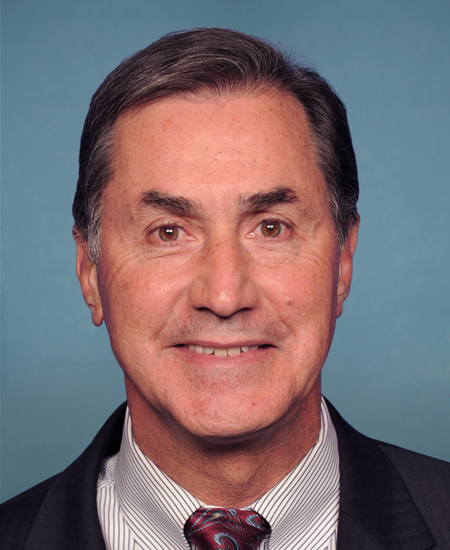
Rep. Gary J. Palmer
Sponsored bills
Maddy summaryThis bill amends Section 2119 of Title 18 (carjacking statute) to clarify the legal definition of the offense. It removes the phrase "with the intent to cause death or serious bodily harm" from the main definition, replacing it with "knowingly," and refines the death penalty provision to specify that death must result from a carjacking taken with the intent to cause death or serious bodily harm. The change streamlines the statute by focusing on the act of taking a vehicle "knowingly" rather than requiring proof of intent to cause harm as a core element. This technical amendment affects how federal prosecutors define and prosecute carjacking cases under existing law.
Maddy summaryHR 6102, the Citizen Ballot Protection Act, amends the National Voter Registration Act to allow states to require proof of U.S. citizenship on mail voter registration forms after federal elections. This directly affects voters who register by mail, as they would need to provide citizenship documentation when submitting registration forms. The bill specifies that states may add this requirement to existing mail voter registration forms, though it does not mandate it. It also corrects a reference from the "Federal Election Commission" to the "Election Assistance Commission" in the law. The change takes effect upon the bill's enactment.
Maddy summaryHRES 866 is a non-binding House resolution condemning the systematic persecution of Christians in Nigeria by groups like Boko Haram and Fulani militants, and criticizing Nigeria's government for failing to protect Christian communities or acknowledge the violence. It calls on the U.S. government to support President Trump in using diplomatic, economic, and security tools to pressure Nigeria to end impunity for attacks, protect Christians, return displaced persons, and repeal blasphemy laws. The resolution specifically demands action against religiously motivated violence, including the release of those imprisoned for their faith, and urges coordination with international partners for humanitarian aid. It does not create new laws but expresses congressional support for U.S. policy actions targeting Nigeria's religious freedom violations.
Maddy summaryHR 5969, the LABEL Act, requires abortion-inducing drugs to include specific labeling identifying both the drug dispenser's name/address and the prescriber's name. It directly affects pharmacies, clinics, and prescribers distributing these drugs by mandating this labeling on all such products. The bill prohibits states from imposing stricter labeling rules than this federal standard. It defines "abortion-inducing drug" as one intended or used to end a pregnancy (excluding drugs for miscarriage management or ectopic pregnancy treatment). This is a labeling requirement, not a restriction on drug access or use.
Maddy summaryThis is a procedural resolution (HRES 860), not a bill with legislative effect. It expresses the U.S. House of Representatives' support for former President Trump's 2020 decision to redesignate Nigeria as a "Country of Particular Concern" (CPC) under religious freedom laws. The resolution commends this action due to documented religious persecution in Nigeria, including violence against Christians and minority religious groups. It does not create new policy or alter U.S. assistance; it solely states congressional support for holding Nigeria accountable for religious freedom violations.
Maddy summaryHRES 855 is a non-binding House resolution expressing support for National Adoption Day (November 22, 2025) and National Adoption Month (November). It promotes awareness about children in foster care awaiting adoption - highlighting that 49,994 U.S. children were waiting for adoptive families in 2023 - and encourages the public to consider adoption. The resolution recognizes that every child deserves a permanent, loving family and urges Americans to support this goal throughout November and the year. As a symbolic gesture, it does not create new laws or policies.
Maddy summaryHR 5888, the UNtaxed Act, prohibits the United Nations or its affiliated bodies from imposing taxes, tariffs, or fees on U.S. citizens or companies without a Senate-approved agreement. It also blocks U.S. funding for any United Nations activities related to implementing or enforcing a global carbon tax, which is defined as a tax on vessel emissions under a worldwide fuel system. The bill directly affects U.S. businesses and citizens who might face UN levies, and it restricts federal resources from supporting international carbon tax initiatives. This legislation aims to prevent unilateral UN taxation and funding of carbon-related policies without congressional oversight.
Maddy summaryThe No Tax Exemptions For Terror Act would deny tax-exempt status under section 501(c)(3) of the Internal Revenue Code to the Council on American-Islamic Relations (CAIR) and any organization determined to have ties to terrorism or terrorist groups. This means these organizations would no longer qualify for federal tax-exempt status, requiring them to pay income taxes on their earnings. The provision applies to taxable years ending after the bill's enactment date. The bill directly affects organizations identified by the government as having connections to terrorism.
Maddy summaryThis bill would require all states to recognize valid concealed carry permits issued by other states, allowing permit holders to carry concealed handguns (excluding machine guns) in any state that either issues such permits or doesn't prohibit concealed carry. It directly affects law-abiding gun owners with valid permits from their home state, ensuring they can carry in states with similar permit systems or no prohibitions. Key provisions include treating valid permit documents as proof of legal carry (reducing officer stops), shifting the burden of proof to prosecutors if challenged, and allowing civil lawsuits for violations with attorney's fee awards. The bill does not override state laws restricting firearms on private property or government land, nor does it affect federal gun restrictions like those in section 922(q).