

Maddy summaryThe Expanding Access to Mental Health Services in Schools Act of 2025 creates a federal grant program to help high-need schools hire and retain mental health professionals like counselors, psychologists, and social workers. It targets schools in the top 15% of need (based on student poverty or counts) that lack required staff ratios, such as one counselor per 250 students. Grants fund recruitment incentives (e.g., student loan repayment), retention programs, and evidence-based mental health services, with recipients required to contribute 25% of costs from non-federal funds. Schools must report annually on staff numbers, student-to-staff ratios, and retention rates to track progress toward improved mental health access.
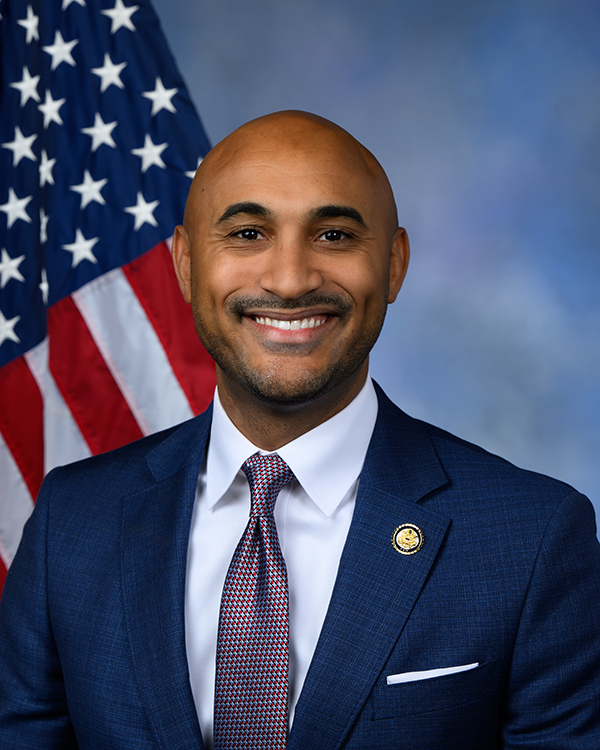
Rep. Shomari Figures
Sponsored bills
Maddy summaryHRES 560 is a ceremonial resolution commemorating the 65th anniversary of NASA's Marshall Space Flight Center (MSFC) in Huntsville, Alabama. It recognizes MSFC's historical role in the Apollo program (including the Saturn V rocket) and its current leadership in developing NASA's Space Launch System (SLS) for the Artemis moon missions. The resolution honors MSFC's contributions to space exploration, including the International Space Station and scientific missions like the Hubble Telescope, without creating new laws or affecting any policies. It serves as a symbolic gesture of congressional support for MSFC's ongoing work and its economic impact in the Tennessee Valley region. The resolution has no direct effect on citizens, programs, or funding, as it is purely commemorative.
Treat and Reduce Obesity Act of 2025 This bill expands Medicare coverage of intensive behavioral therapy for obesity. Specifically, the bill allows coverage for therapy that is provided by (1) a physician who is not a primary care physician; or (2) other health care providers (e.g., physician assistants and nurse practitioners) and approved counseling programs, if provided upon a referral from, and in coordination with, a physician or primary care practitioner. Currently, such therapy is covered only if provided by a primary care practitioner. The bill also allows coverage under Medicare's prescription drug benefit of drugs used for the treatment of obesity or for weight loss management for individuals who are overweight.
Maddy summaryHRES 547 is a symbolic resolution recognizing June as National Caribbean American Heritage Month. It does not create new laws or directly affect any individuals or groups; instead, it encourages the public to observe the month through ceremonies and celebrations. The resolution affirms that Caribbean Americans' contributions are integral to U.S. history, progress, and cultural diversity. It supports the month's goals and highlights the community's longstanding role in American society, from historical figures like Alexander Hamilton to modern leaders like Kamala Harris. As a non-binding resolution, it has no legal effect but serves to honor this cultural observance.
Maddy summaryHR 4158, the Ensuring Fee-Free Benefit Transactions Act of 2025, prohibits states and their contractors from charging SNAP authorized retailers fees for EBT transactions, including switching or routing benefits. This directly affects grocery stores and retailers that accept SNAP benefits by eliminating costs they currently pay for processing these transactions. The bill specifically bans fees related to implementing certain program requirements (except for equipment rentals) and overrides conflicting provisions from the 2023 Appropriations Act. The law takes effect on October 1, 2025.
Maddy summaryThe CONNECT for Health Act of 2025 expands Medicare telehealth coverage by removing geographic restrictions that limited where patients could receive care, expanding the types of health care providers who can offer telehealth services, and eliminating the requirement for an in-person visit before receiving telemental health services. The bill includes specific provisions to support telehealth use for Native American health facilities, rural health clinics, and Federally Qualified Health Centers. It requires the Centers for Medicare & Medicaid Services to collect and publish data on telehealth usage and impacts, and to develop resources to improve accessibility for people with disabilities and limited English proficiency. Program integrity measures are added to monitor telehealth billing practices and prevent fraud while maintaining coverage for telehealth services during public health emergencies.
Maddy summaryThis bill retroactively applies the Indian Reorganization Act (IRA) to the Poarch Band of Creek Indians as of June 18, 1934, clarifying their federal jurisdiction status under existing law. It directly affects the Poarch Band by confirming all lands previously taken into trust by the U.S. for their benefit as valid trust lands. The key provision reaffirms the Secretary of the Interior's past actions in placing these lands into trust under the IRA, making those decisions legally final. This provides legal clarity for the tribe's land holdings and governance under federal law.
Maddy summaryThe EQIP Improvement Act of 2025 revises payment limits for farmers participating in the Environmental Quality Incentives Program (EQIP), which provides financial assistance for conservation practices. It sets a 75% payment cap for most conservation costs (down from higher previous limits), reduces payments to 40% for specific infrastructure like irrigation systems or animal mortality facilities, and allows 100% coverage for income foregone. The bill also lowers the annual payment cap per producer from $450,000 to $150,000. Additionally, it requires the Secretary to submit annual reports to Congress detailing funding distribution by practice type, state, and farm size. These changes directly affect farmers adopting conservation practices under EQIP.
Maddy summaryThe Women's Health Protection Act of 2025 would protect access to abortion services across the United States by prohibiting states from imposing restrictions that are more burdensome than those on comparable medical procedures. The bill directly affects people seeking abortion care and health care providers by banning restrictions such as mandatory in-person visits, requirements for specific tests, limitations on telemedicine, and rules based on a patient's reason for seeking abortion. It prohibits state laws that single out abortion for unnecessary restrictions while allowing post-viability abortions when necessary to protect a patient's life or health. The bill preempts conflicting state laws and provides enforcement mechanisms through private lawsuits and actions by the Attorney General.
Maddy summaryThis bill creates federal funding for community-based violence intervention programs in high-violence areas, targeting communities with 35+ homicides annually or 20+ homicides with rates double the national average. It establishes grants for community organizations to implement trauma-informed violence interruption strategies, hospital-based programs for injured patients, and job training for "opportunity youth" (16-25 year olds not in school or work). The legislation authorizes $300 million in 2026, increasing to $700 million annually through 2033, with requirements for evidence-based approaches that reduce violence without contributing to mass incarceration. It creates a National Community Violence Response Center to coordinate data collection, research, and best practices for these programs. The focus is on prevention through economic opportunity, trauma care, and community-driven interventions rather than traditional law enforcement approaches.