

Maddy summaryHR 4717 creates a refundable tax credit of up to 10% of a home's purchase price (capped at $15,000) for first-time homebuyers purchasing a principal residence in the United States. The credit is subject to limitations based on modified adjusted gross income (phased out if income exceeds 150% of the area median income) and home price relative to area median purchase prices in the buyer's location. Homebuyers must meet age requirements (at least 18 years old), not have owned a home in the past three years, and purchase with a federally backed mortgage. The credit is subject to a four-year recapture period if the home is sold within that timeframe, and taxpayers may transfer the credit to their mortgage lender as a down payment or closing cost assistance.
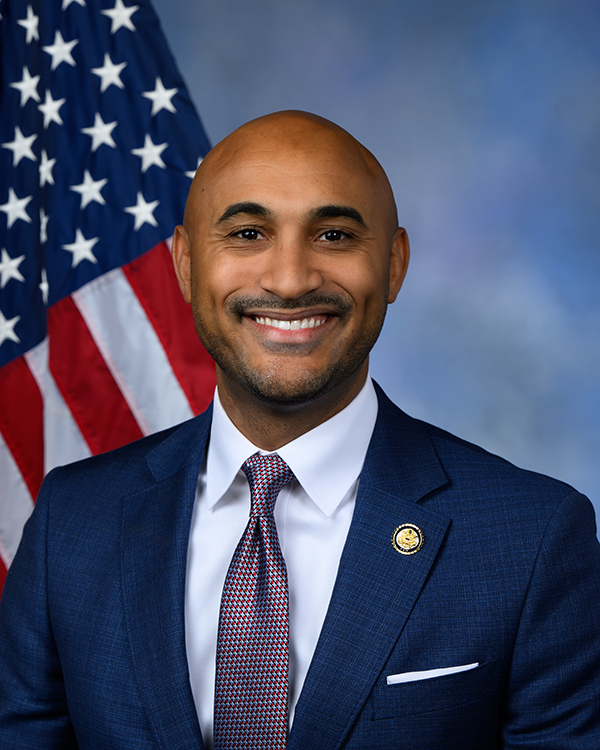
Rep. Shomari Figures
Sponsored bills
Maddy summaryHR 4752, the Reducing Hereditary Cancer Act, requires Medicare to cover genetic testing for germline mutations in individuals with a family history of hereditary cancer or suspicious personal/family history. It mandates coverage for risk-reducing surgeries (like mastectomies or hysterectomies) when guided by evidence-based clinical guidelines, and increases the frequency of cancer screenings (such as mammograms, colonoscopies, and breast MRI) for Medicare beneficiaries confirmed to have hereditary cancer gene mutations - ensuring screenings occur at least annually. The bill applies to Medicare beneficiaries with specific high-risk profiles, aligning coverage with guidelines from recognized oncology organizations like the National Comprehensive Cancer Network. It does not change eligibility but modifies Medicare’s existing coverage rules to expand access to these preventive services.
Maddy summaryHR 4726, the Educational Toy Tax Relief Act, removes tariffs on specific baby and children's products by prohibiting the President from imposing or maintaining import duties under the International Emergency Economic Powers Act. It directly affects importers and manufacturers of items like toys for children under three, tricycles/scooters, playpens, baby swings, and educational toys. The bill requires the immediate termination of existing tariffs on these items and invalidates any similar duties imposed under other authorities. This policy change eliminates import costs for these specific products, making them more affordable for consumers.
Maddy summaryHR 4746, the Baby Food Tax Relief Act, removes tariffs on specific baby products by prohibiting the President from imposing or continuing duties on them under emergency powers. It directly affects parents and caregivers purchasing baby bottles, breast pumps, highchairs, booster seats, and baby formula, which were previously subject to tariffs. The bill requires the termination of existing tariffs on these items and invalidates any similar tariffs imposed under other authorities. This creates immediate tax relief for these essential baby care products without altering existing tax structures for other goods.
Maddy summaryHR 4738, the Baby Safety Tax Relief Act, removes import tariffs on specific baby safety products. It prohibits the President from imposing or continuing tariffs on baby carriages, strollers, baby carriers, and baby car seats under emergency economic powers or similar authorities. The bill requires the immediate termination of any existing tariffs on these items as of its enactment date. This directly affects importers and retailers of these products by reducing their import costs.
Maddy summaryHR 4666, the Baby Clothing Tax Relief Act, eliminates tariffs (duties) on specific baby clothing items by prohibiting the President from imposing or maintaining such taxes under emergency powers laws. The bill specifically covers baby garments, socks, shoes, shirts, pants, swimsuits, sweaters, dresses, onesies, and hats. It requires the immediate removal of existing tariffs on these items and invalidates any similar tariffs imposed under other authorities. This directly benefits parents and caregivers who purchase baby clothing, as well as retailers selling these items, by reducing associated costs. The policy change is limited to the listed baby clothing products and does not affect other goods or tax policies.
Maddy summaryH.J. Res. 108 proposes a constitutional amendment to remove legal immunity for federal officials, including the President, from criminal prosecution for actions taken while performing official duties. It would prohibit the President from granting pardons to themselves and eliminate the defense that "official authority" excuses violations of federal or state law (with limited exceptions for certain congressional actions). If ratified, this amendment would require Congress to pass implementing laws to enforce these changes. The proposal is currently in the House Judiciary Committee and requires approval by three-fourths of state legislatures to become part of the Constitution.
Maddy summaryHR 4560 amends disaster relief laws to change how federal funds for pre-disaster hazard mitigation are distributed. It requires the President to allocate funds using a new formula: 33% equally among states, 33% based on population, and 33% based on hazard vulnerability, with states directing at least 50% of funds to locally recommended projects. The bill ensures tribal governments receive a minimum $75 million in funding and prevents projects funded under this section from affecting eligibility for other disaster assistance. These changes directly affect states, local governments, and tribal nations managing disaster resilience projects.
Maddy summaryHR 1522, the Federal Retirement Fairness Act, changes federal retirement rules to include temporary employees' service after January 1, 1988, in retirement benefit calculations. It directly affects temporary federal employees (including U.S. Postal Service workers) and Members of Congress who served after that date. The bill removes a previous cutoff date in retirement law, allowing their temporary service to count toward retirement eligibility. This means eligible temporary workers can now have their full service period considered when calculating retirement benefits.
Maddy summaryThe Defending American Property Abroad Act of 2025 protects U.S. property interests in Western Hemisphere countries with U.S. free trade agreements. It requires the Secretary of Homeland Security to identify and list ports, harbors, or marine terminals where a foreign government has nationalized, expropriated, or seized U.S.-owned land (since January 2024) through actions like contract repudiation or forced control. Once listed, the President must prohibit vessels using these sites from importing goods, docking passenger vessels, or conducting maintenance in the United States. This directly affects U.S. persons (citizens or businesses) with property in designated locations.