Maddy summaryHCR 26 is a ceremonial resolution designating Tuesday, March 4, 2025, as a day to honor the Indiana Region of the American Red Cross. It does not create new laws or affect any policies, as it is a symbolic recognition without binding effect. The resolution was introduced by Representative Clere and has been referred to committees, but it will not change how the Red Cross operates or impact any residents. This type of resolution is common for acknowledging organizations' community contributions.
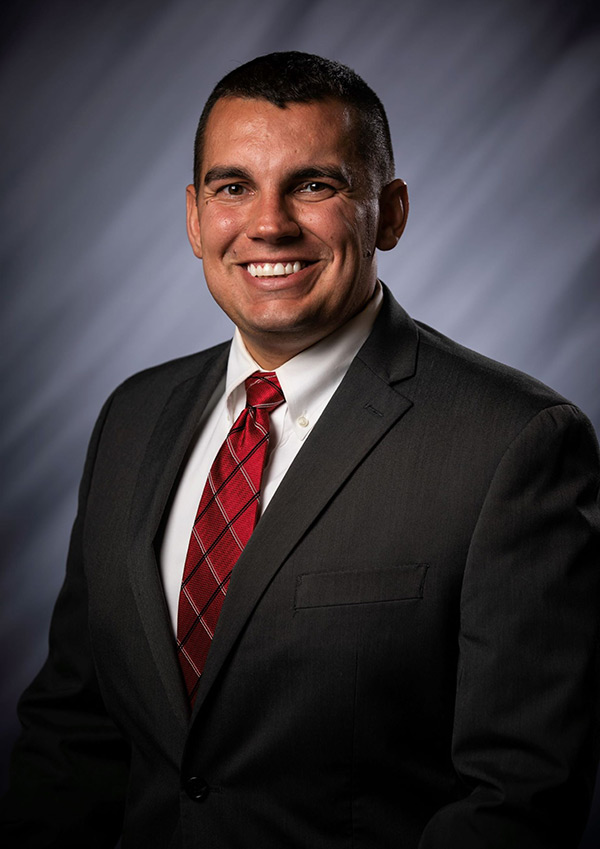
Rep. Cory Criswell
Sponsored bills
Establishes the Hoosier homestead program administered by the Indiana state department of agriculture to commemorate and maintain a registry of farms owned by the same family for at least 100 years. Provides that if a condemnation action involves the taking of a fee simple interest in a Hoosier homestead: (1) the property owner is entitled to testify at a hearing conducted by the appropriate municipal or county legislative body; and (2) the legislative body must approve the condemnation for the condemnation to proceed. Provides that only the portion of a farm that satisfies the familial ownership and other requirements receives the Hoosier homestead designation and is subject to the provisions regarding eminent domain. Requires all property taxes to be paid up to date to be registered as a Hoosier homestead property or to renew registration as a Hoosier homestead property.
Maddy summaryHR 12 is a ceremonial resolution celebrating Indiana's cultural and economic connections with Ireland. It does not create new laws, allocate funding, or affect any specific policies or groups. The bill formally recognizes these ties through a congressional resolution, as is standard for such commemorative measures. It was introduced on February 10, 2025, by Representative O'Brien and multiple co-authors, and passed its first reading. This is a procedural measure with no concrete policy impact.
Changes the name of the addiction services fund to the alcohol misuse prevention and treatment fund (fund) and makes corresponding changes. Provides for the transfer of the first 6% of the excise taxes collected on alcoholic beverages to the fund before the allocation and distribution of that alcoholic beverage excise tax revenue to the state general fund and to cities and towns. Provides for the transfer of the first 6% of the excise taxes collected on certain alcoholic beverages to the fund before the transfer of that excise tax revenue to the state construction fund. Specifies that the division of mental health and addiction (division) shall set aside the transfers of alcoholic beverage tax revenue deposited into the fund for use in making grants to local coordinating councils for substance use prevention and treatment and mental health related purposes. Requires the division to adopt guidelines and standards for awarding grants, prescribe the form used to apply for a grant, establish a maximum grant amount, and establish annual reporting requirements.
Requires a local law enforcement agency to establish a written policy or enter into a contract for a towing rotation for emergency towing. Requires a towing company to release property to an owner not later than 24 hours after partial payment is received for an invoice. Adds requirements for an itemized invoice provided by a towing company. Requires a towing company to create a rate sheet. Establishes rates a towing company may charge for fees for emergency towing or private property towing. Establishes a towing complaint process and the towing complaint advisory board.
Provides that beginning January 1, 2026, an individual may not engage in onsite sewage system service of a residential onsite sewage system in Indiana unless the individual registers with the board of registration for onsite wastewater professionals (board) as an onsite wastewater professional. Requires the board to adopt management rules to implement the registration program and to maintain a public registry of registered onsite wastewater professionals.
Maddy summaryHR 11 is a commemorative resolution celebrating the 90th anniversary of the Professional Fire Fighters Union of Indiana. It does not create new laws or affect any policies, rights, or regulations. The resolution simply recognizes the union's history and contributions through a formal statement by the Indiana House of Representatives. It was introduced and coauthored by multiple representatives on January 30, 2025, and passed its first reading.
Authorizes the lottery commission to operate the sale of draw games and eInstant games over the Internet. Requires the lottery commission to adopt rules concerning the bulk purchase of lottery products. Provides that certain lottery records are confidential. Provides that the lottery commission may authorize and regulate courier services, including for the delivery of draw games and eInstant games over the Internet. Sets forth certain conditions for the transfer of surplus revenue to the pension stabilization fund, supplemental allowance reserve accounts, and the pension relief fund. Requires the surplus revenue after the required transfers have been made to be set aside by the board of trustees of the Indiana public retirement system to be distributed to the county treasurer of each county that does not have a riverboat in the same proportions that excess wagering taxes set aside for revenue sharing for riverboats are distributed. Requires a political subdivision that is served by a volunteer fire department to contribute at least $300 annually to the public employees' defined contribution plans of eligible members of the volunteer fire department. Lists other permissible uses for shared revenue derived from surplus lottery taxes. Creates the digital lottery retail incentive program fund (digital lottery fund). Requires the lottery commission to deposit 2% of the net digital lottery sales each calendar quarter into the digital lottery fund. Requires the commission to develop a payment program that directly compensates retailers that participate in the promotion and success of digital lottery games. Establishes the Indiana responsible gaming and problem gambling services program (program). Requires the Indiana gaming commission (commission) to develop and administer the program. Establishes the Indiana responsible gaming and problem gambling services program fund (fund). Provides for uses of money in the fund. Requires a licensed owner, an operating agent, and a permit holder to pay fees to be deposited in the fund and used for purposes of the program. Provides that an individual applying for an occupational license to perform duties that do not relate to gaming on the premises of a riverboat or racetrack is not disqualified due to a conviction for a felony if the position or occupation will not have access to the gaming floor and gaming systems. Provides that the commission: (1) has the sole authority to license entities to conduct activities authorized under certain gaming provisions; and (2) may not limit the number of qualified entities licensed under those provisions. Allows the commission and the alcohol and tobacco commission to deny a license or endorsement in specified instances. Prohibits a certificate holder or vendor from accepting wagers on the outcome of an election. Increases, from 9.5% to 20%, the sports wagering tax rate for each wager placed using a mobile device. Specifies that the sports wagering tax rate remains 9.5% for each wager placed within a licensed facility. Modifies a sports wagering provision concerning child support to apply to a vendor. Authorizes the following persons to conduct interactive gaming: (1) A licensed owner of a riverboat. (2) An operating agent operating a riverboat in a historic hotel district. (3) A permit holder conducting gambling games at the permit holder's racetrack. (4) An Indian tribe that meets certain requirements. Provides for the licensure of persons providing services and equipment for managing and conducting interactive gaming. Specifies requirements for the conduct of interactive gaming. Imposes an adjusted gross receipts tax ranging from 22% to 30% on interactive gaming. Provides for distributions to support the horse racing industry and revenue sharing to cities and counties in which casinos are operated. Requires the alcohol and tobacco commission to provide a training module for alcoholic beverage servers who work at establishments that offer type II gaming. Enhances the voluntary exclusion programs. Voids a provision in a horse racing commission's order. Prohibits a sports wagering certificate holder or vendor from allowing, conducting or participating in any false or misleading advertising concerning its sports wagering operations. Provides that it is a Class A misdemeanor if a person operates a lottery courier service without the written permission of the commission. Repeals the program gaming fees chapter. Requires the commission to make rules concerning state universities and sports gaming data. Includes gambling services under the responsible gaming and problem gambling services program in a provision concerning mental health and addiction treatment services provided to individuals who have entered the criminal justice system as a felon or with a prior felony conviction. Makes an appropriation. Makes conforming and technical changes.

Provides an assessed value deduction for eligible grain processing equipment equal to 100% of the assessed value for assessment dates beginning in 2026. However, limits the deduction to 10 consecutive years in the case of an owner of the equipment who is a grain buyer or warehouse subject to licensing by the Indiana grain buyers and warehouse licensing agency. Provides a sales tax exemption for equipment used in storing, drying, moving, removing, and handling agriculturally cultivated grain crops.
Maddy summaryHB 1492 removes a current rule that prohibits students from transferring to a new school district primarily to join sports teams or participate in athletic programs. This change directly affects students who wish to move school districts specifically for athletic opportunities, such as joining a competitive team in another district. The bill's key provision eliminates the existing restriction, allowing such transfers without requiring an alternative educational reason. It was introduced by Representative Criswell and referred to the Education Committee for review. (3 sentences)