

Maddy summaryThis bill creates an exception for certain small biotech companies from Medicare's drug price negotiation program starting in 2029. It applies to "research and development-intensive small biotech manufacturers" that invest a specific percentage (30%-70%) of their net revenue in R&D over the prior three years and have 5 or fewer qualifying single-source drugs. To qualify, companies must annually submit financial data to Medicare proving their R&D spending meets the threshold. This directly affects small U.S.-based biotech firms developing innovative drugs, allowing them to avoid price negotiations under Medicare for qualifying products.
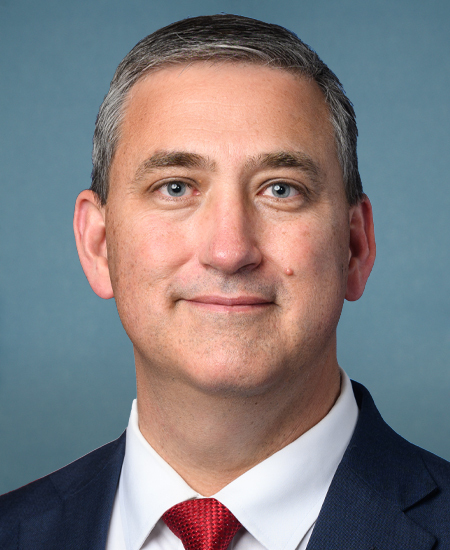
Rep. Nathaniel Moran
Sponsored bills
Maddy summaryThe DEFIANCE Act of 2025 creates a new civil legal remedy for victims of non-consensual intimate digital forgeries (synthetic images or videos manipulating real people into sexual contexts without consent). It allows affected individuals to sue perpetrators in federal court for damages up to $250,000, injunctions to remove content, and privacy protections like pseudonyms. The bill specifically covers cases where forgeries are created or shared with intent to disclose, including scenarios involving sexual assault or harassment. It expands existing federal protections under 15 U.S.C. 6851 to address digital forgeries while ensuring state laws remain in effect.
Maddy summaryHR 3464 creates two federal funds to support state and local border security efforts. The DHS fund ($11 billion) provides grants for constructing border barriers, surveillance systems, and relocating undocumented immigrants along the southern border. The DOJ fund ($3.5 billion) funds state efforts to locate, apprehend, prosecute, and detain undocumented immigrants for crimes, including gang activity and human trafficking. Both funds cover eligible expenses from 2021 onward and expire on January 20, 2029, with unused funds returned to the Treasury.
Maddy summaryThe Strong Communities Act of 2025 creates a new grant program under the COPS Office to fund law enforcement training. It provides competitive grants to local police departments for officers and recruits to attend training at eligible partner organizations (like colleges or police agencies), requiring them to work full-time in their home communities for at least 4 years after training. Recruits must live within 7 miles (or 20 miles in small counties) of their residence for 5+ years to qualify, and must repay benefits if they don’t complete the service. The program requires annual transparency reports detailing grant recipients, training participants, and retention rates.
Maddy summaryHR 3392, the STOP Screwworms Act, requires the U.S. Department of Agriculture to build modular facilities for rearing sterile New World screwworm flies within 180 days of enactment. These facilities will disperse sterile flies into at-risk agricultural areas - identified based on migratory patterns and suitability for dispersal - to prevent infestations that threaten livestock. The bill authorizes $300 million in funding for construction, operation, and annual reporting to Congress on threat assessments and effectiveness. It directly affects livestock producers and agricultural regions vulnerable to screwworm fly migration, using sterile insect technique as a preventive measure.
Maddy summaryThis bill clarifies liability for payroll tax errors when third-party payroll services (like professional employer organizations) rely on employer certifications. It allows these services to depend on employer-provided information unless they knew or should have known of an error. If an error is discovered, the employer bears full liability unless the third party had "constructive knowledge" of the error, in which case liability is shared based on the portion of the error the third party knew about. The bill also prevents the IRS from delaying payroll tax credits or auditing employers solely because a third party relied on an erroneous certification from that employer. It directly affects third-party payroll services and the businesses that use their services for tax filings.
Maddy summaryHR 3206, the Protecting America's Property Rights Act, requires Fannie Mae and Freddie Mac (the "Enterprises") to use third-party insurance products regulated by state authorities for mortgage lien and title protection. It mandates that any mortgage purchased by these entities must involve products regulated by state insurance or financial authorities, as defined in existing federal law. To enforce this, the bill adds a 1.00% capital requirement on the unpaid principal balance of mortgages that don’t meet this standard. The Director of the Federal Housing Finance Agency must issue implementing regulations within 180 days of the bill’s enactment.
Maddy summaryThis bill creates a new system for recognizing and regulating individuals who help veterans file benefit claims. It requires the VA to provide veterans with information about free assistance options and maintain a public list of accredited representatives. The bill sets a maximum fee limit of $12,500 or 5 times the monthly benefit increase for representatives, and establishes penalties for unaccredited representatives who charge improper fees. The law aims to protect veterans from unscrupulous representatives while ensuring they have access to quality assistance with their benefit claims.
Maddy summaryThis bill prohibits U.S. State Department and USAID funds from supporting any program, contract, or policy that knowingly uses goods made in Xinjiang, China - including products from entities listed under existing U.S. sanctions. It requires contractors to provide written assurances they won’t use Xinjiang-made goods and mandates the Secretary of State to notify Congress before authorizing exceptions. Annual reports to Congress must detail violations, enforcement challenges, and improvement plans for the policy. The law defines "forced labor" using existing U.S. tariff law (19 U.S.C. 1307) and applies to all U.S. foreign aid activities involving Xinjiang-sourced goods.
Maddy summaryHR 3134, the Emergency Care Improvement Act, allows Medicare and Medicaid to reimburse freestanding emergency centers (FECs) for specific emergency services. The bill defines FECs as 24/7 facilities meeting state emergency care standards, with physician staffing, hospital referral agreements, and quality programs - currently operating in over 118 locations, primarily in Texas. It amends coverage rules to include FECs under Medicare Part B and Medicaid for "specified emergency services" (excluding certain evaluation codes), sets payment rates based on outpatient department standards, and extends EMTALA emergency care laws to cover these centers. This policy change directly affects FECs and Medicare/Medicaid beneficiaries by enabling reimbursement for emergency care previously excluded from coverage.