

Maddy summaryThis bill amends the Natural Gas Act to give the Federal Energy Regulatory Commission (FERC) exclusive authority to approve U.S. LNG export terminal projects, requiring FERC to deem such exports consistent with the public interest. It directly affects natural gas companies seeking to build or expand export facilities and streamlines FERC's review process by removing prior requirements for interagency coordination. The bill clarifies that FERC's decisions won't override existing sanctions laws, including restrictions on trade with countries designated as state sponsors of terrorism under current law. This change aims to accelerate domestic LNG export projects while maintaining legal safeguards for national security and foreign policy.
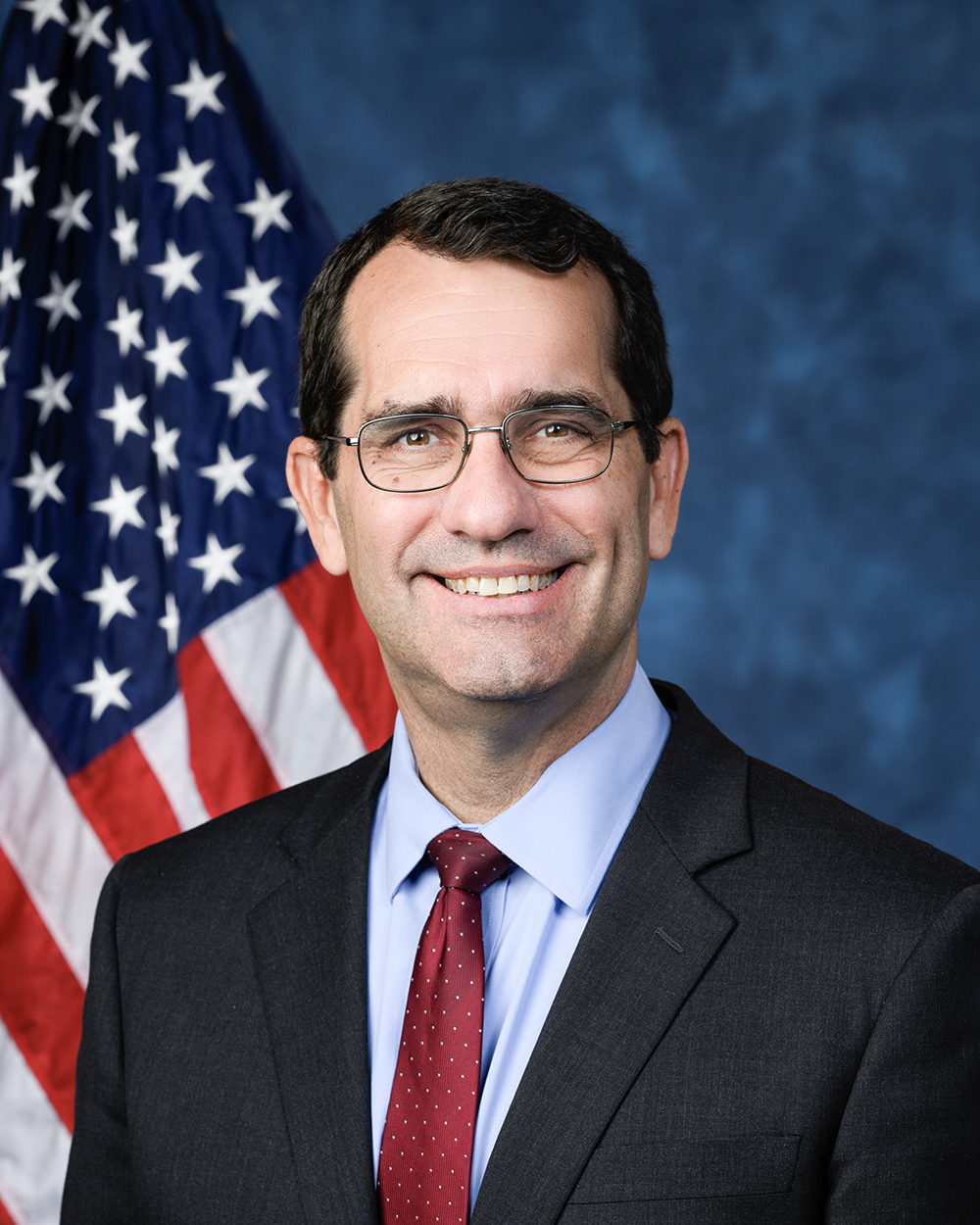
Rep. Derek Schmidt
Sponsored bills
Maddy summaryHRES 931 is a symbolic resolution expressing congressional support for designating December 4, 2025, as "National Scam Prevention Day." It does not create new laws or policies but formally acknowledges the significant financial and psychological harm caused by scams, citing reported losses of $16.6 billion in 2024 and estimated total losses of $158.3 billion when accounting for underreporting. The resolution highlights concerns about international scam operations and their links to criminal organizations, urging a coordinated government and industry approach to scam awareness. It directly affects no specific group but aims to raise public awareness about scam prevention.
Maddy summaryHR 6425 requires the FBI to create a working group within 90 days, including 18 federal agencies like the FTC and CFPB, to develop a National Strategy for Combating Scams. The strategy must establish a common scam definition, coordinate data collection across agencies, improve public complaint reporting (including for people with disabilities), and enhance private-sector collaboration to prevent scams. It mandates the strategy be submitted to Congress and published publicly within one year, with updates every five years. This bill directly affects federal agencies' coordination efforts but does not create new laws or directly impact citizens beyond improving how the government addresses scams.
Maddy summaryThe STOP Scams Against Seniors Act directs federal Byrne funds to create elder justice task forces focused on preventing and investigating financial scams targeting seniors aged 60 and older. These task forces must coordinate with local law enforcement, prosecutors, and federal agencies like the FBI and FTC to address fraud. Grantees must report detailed data on cases opened, resolved, victims supported, scam types, and signs of organized crime, with the Attorney General submitting an annual summary to Congress. The bill directly affects seniors vulnerable to financial exploitation and the agencies implementing these task forces.
Maddy summaryHR 4305, the DUMP Red Tape Act, creates a Small Business Administration hotline for small businesses to report regulatory burdens they face when complying with federal agency rules. Small businesses (as defined by the Small Business Act) can submit complaints via email, website, or phone through this hotline, which must be established within 180 days of the bill's enactment. The Chief Counsel for Advocacy must then submit annual reports to Congress detailing the most frequently reported rules, affected industries, geographic data, and recommendations for agencies to address these burdens. This bill establishes a reporting mechanism but does not directly change existing regulations.
Maddy summaryHR 2965, the Small Business Regulatory Reduction Act of 2025, requires the Small Business Administration (SBA) to ensure that the cost to small businesses from federal agency rulemaking (including new rules, modifications, or repeals) does not exceed zero starting in fiscal year 2026. It mandates the SBA’s Office of Advocacy to annually report to Congress on all federal rules affecting small businesses, broken down by the issuing agency. The bill applies to all federal agencies, not just the SBA, and focuses on controlling regulatory costs for small businesses. No new funding is provided to implement these requirements.
Maddy summaryHR 6093, the Agricultural Cooperative Energy Savings Act of 2025, expands eligibility for certain USDA programs to include agricultural cooperatives with fewer than 2,500 employees. This change directly affects smaller agricultural cooperatives that previously did not qualify under existing rules. The bill amends Section 9007(c)(1)(A)(i) of the Farm Security and Rural Investment Act of 2002 to add these cooperatives to the list of eligible participants. The key mechanism is simply broadening the definition of qualifying entities for existing USDA program access. This is a procedural change to eligibility criteria, not a new program.
Give Kids a Chance Act of 2025 This bill expands the Food and Drug Administration’s (FDA’s) authority with respect to research on rare pediatric diseases, including by permitting the FDA to take enforcement action against drug sponsors that fail to satisfy pediatric study requirements and by reauthorizing programs that support pediatric research. Specifically, the bill modifies requirements relating to molecularly targeted pediatric cancer investigations to permit research on new drugs in combination with active ingredients that have already been approved, provided certain conditions are met; permits the FDA to take enforcement action against drug sponsors that fail to comply with pediatric study requirements, if such sponsors demonstrated a lack of due diligence in satisfying the requirement; renews the FDA’s authority to award priority review vouchers to sponsors of new products intended to treat rare pediatric diseases through September 30, 2029; and reauthorizes through FY2027 certain funding for the National Institutes of Health to support priority pediatric research. The bill also provides statutory authority for the FDA’s interpretation of the orphan drug exclusivity period. The bill specifies, consistent with FDA regulations, that the seven-year market exclusivity period for drugs for rare diseases or conditions (i.e., orphan drugs) prohibits the approval of the same drug for the same approved use or indication with respect to the disease or condition. (In Catalyst Pharmaceuticals, Inc. v. Becerra , a court rejected the FDA’s interpretation and held that orphan drug exclusivity extends to all uses or indications for the disease or condition.)
Unauthorized Spending Accountability Act This bill reduces budgetary levels for certain federal programs that are funded through the annual appropriations process and do not have an authorization of appropriations. Under the bill, budgetary levels are spending allocations provided to the congressional appropriations committees by a congressional budget resolution or a deeming resolution. The allocations are provided under the Congressional Budget Act of 1974 and are often referred to as 302(a) allocations. The bill applies to programs included in the Congressional Budget Office's (CBO's) annual report listing programs that are funded through the appropriations process and have an authorization of appropriations that has either expired or will expire during the year. If a program is listed in the CBO report, the bill requires specified reductions to be implemented over a three-year period and terminates the unauthorized programs at the end of the third unauthorized year.
Maddy summaryThis bill requires military child and youth programs - including military child development centers, Department of Defense youth programs, and family home day care providers receiving DoD funding - to notify parents or guardians within 24 hours of suspecting child abuse or neglect. It also mandates that these programs report such incidents to the Senate and House Committees on Armed Services, state senators representing the location, and the local House representative within 72 hours. The law directly affects military-connected families and child care providers operating under DoD programs, ensuring faster transparency for both families and oversight bodies. The policy creates a clear timeline for reporting suspected abuse, aiming to improve responsiveness without altering existing child welfare protocols.