

Maddy summaryHR 7051, the American Dream Act, allows individuals aged 65 or older to exclude taxable gains from selling their home to a first-time homebuyer under specific conditions. The bill applies when the home sells for $500,000 or less, the buyer is a first-time homebuyer purchasing it as their primary residence, and the buyer provides a sworn statement confirming these details. The exclusion is only available for sales occurring after December 31, 2026, and expires after December 31, 2031. This policy directly affects seniors aged 65+ selling their primary residence and first-time homebuyers purchasing it as their main home.
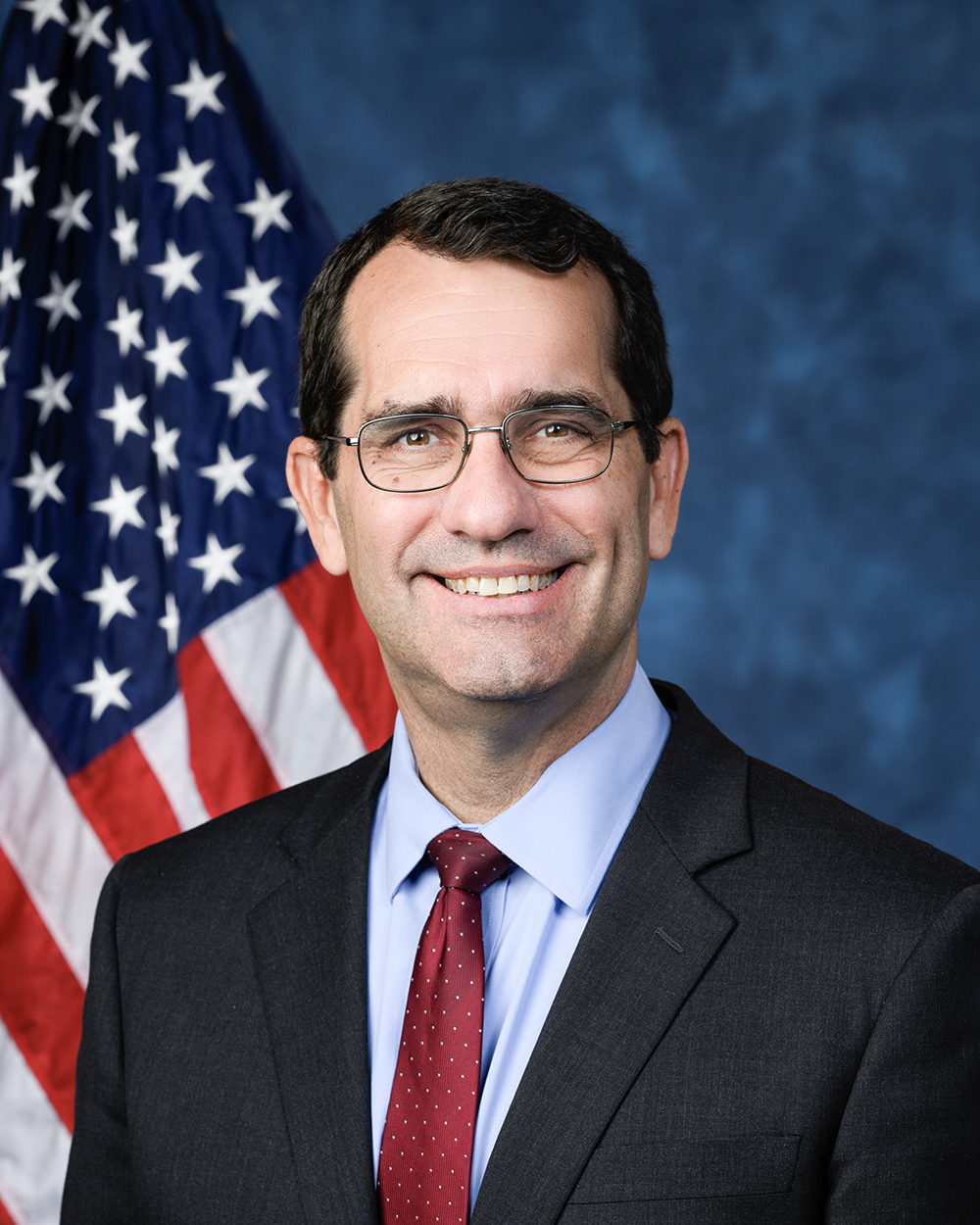
Rep. Derek Schmidt
Sponsored bills
Maddy summaryThe Renewed Hope Act (HR 6998) requires the Department of Homeland Security to hire 200 new staff, including 40 forensics analysts and 30 child exploitation investigators for the Victim Identification Laboratory, plus 130 additional personnel for the Child Exploitation Investigations Unit, to improve identification and rescue efforts for victims of child sexual exploitation. It establishes a mandatory training program for law enforcement and related organizations to use updated victim identification techniques and mandates coordination between DHS and the National Center for Missing and Exploited Children to streamline investigations. The bill also includes strict privacy rules to secure victim information and allows temporary hiring of experts for forensic analysis at specified rates.
Maddy summaryHR 4509, the NOPAIN for Veterans Act, requires the Department of Veterans Affairs (VA) to add FDA-approved non-opioid pain medications to its national formulary within one year of their approval for pain management. These medications must reduce pain without acting on opioid receptors, directly affecting veterans receiving VA care who need pain treatment. The bill mandates the VA include such drugs in its formulary and drug standardization list, expanding access to non-opioid options. It also prohibits using funds from the Cost of War Toxic Exposures Fund to implement these changes, with implementation required within 90 days of the bill's enactment.
Maddy summaryHR 909, the Crime Victims Fund Stabilization Act of 2025, modifies how funds from the False Claims Act are deposited into the Crime Victims Fund. It specifies that from 2025 through 2029, certain False Claims Act proceeds (specifically those for qui tam plaintiff payments and government damage reimbursements) cannot be deposited into the fund. This change directly affects the composition of the Crime Victims Fund by excluding these specific revenue streams during the specified period. The bill does not create new benefits or alter victim services; it only adjusts fund allocation rules for existing False Claims Act revenues.
Maddy summaryHRES 984 is a symbolic resolution designating January 9, 2026, as "National Law Enforcement Appreciation Day." It directly honors all federal, state, local, and tribal law enforcement officers across the United States for their service and sacrifices. The resolution expresses the House's support and gratitude, encourages public observance through ceremonies, and recognizes officers who have made the ultimate sacrifice. As a non-binding resolution, it does not create new laws or policies but serves as a formal expression of appreciation.
Maddy summaryHR 6595 requires the Secretaries of Defense and Veterans Affairs to create action plans at military medical facilities and VA hospitals to improve veteran access to care. These plans must include cross-credentialing providers, sharing resources at facilities with excess capacity, improving communication between agencies, and establishing secure complaint processes for veterans. The bill mandates annual congressional briefings on progress, costs, patient volumes, and safety incidents, with a deadline of September 30, 2028. It directly affects enrolled veterans seeking care at DOD facilities identified as having available capacity.
Maddy summaryThis bill, the Protecting Ballot Measures From Foreign Influence Act of 2025, bans foreign nationals from contributing money to state and local ballot initiatives and referendums. It amends the Federal Election Campaign Act to explicitly include these state and local voting measures under the existing prohibition on foreign contributions for federal elections. The key provision requires that contributions to ballot measures - like state-level policy votes - must not come from foreign individuals or entities. The law would apply to all contributions made after its enactment date.
Maddy summaryHR 6745, the TRANSFER Act, allows Army and Air Force National Guard officers to be transferred between active and inactive duty status when filling vacancies in federally recognized units. Specifically, it authorizes the Secretaries of the Army and Air Force to establish regulations enabling officers to move from active to inactive status when filling a vacancy, or from inactive to active status to fill the same vacancy. This change aims to improve personnel flexibility and readiness by better matching officers' status to unit needs. The bill directly affects National Guard officers managing active duty positions, without creating new benefits or funding.
Maddy summaryThis bill adjusts Medicare eligibility rules for rural emergency hospitals. It expands eligibility to include off-campus emergency departments that operate as dedicated emergency services in rural counties, meeting specific federal definitions. Hospitals previously classified as outpatient departments could now qualify for Medicare payments if they maintained a dedicated emergency department in a rural area. The change modifies the Social Security Act to allow these facilities to be recognized under the rural emergency hospital designation program. This directly affects rural healthcare providers seeking Medicare reimbursement for emergency services.
Maddy summaryThis bill extends and increases tax credits for sustainable aviation fuel (SAF) producers. It raises the credit rate from 20 cents to 35 cents per gallon for certain SAF facilities and from $1.00 to $1.75 per gallon for others, while requiring SAF to meet ASTM International standards and exclude palm oil or petroleum-derived sources. The credit period is extended from ending in 2029 to 2033, applying to fuel produced after December 31, 2025. The bill directly affects SAF producers meeting these specific criteria, aiming to incentivize cleaner fuel production for the aviation industry.