

Maddy summaryThis bill, titled the Taiwan Energy Security and Anti-Embargo Act of 2026, aims to enhance Taiwan's energy security by increasing U.S. liquefied natural gas exports to Taiwan and improving the resilience of its energy infrastructure. The legislation authorizes U.S. government agencies to coordinate with Taiwan on energy projects, provide technical assistance for cybersecurity and physical security improvements, and establish a joint U.S.-Taiwan Energy Security Center. It also directs an assessment of redirecting U.S. LNG exports currently sent to China to Taiwan and encourages Taiwan to maintain and expand its nuclear power capabilities. Additionally, the bill provides for insurance on vessels transporting critical goods to Taiwan and clarifies that the measures do not alter the U.S. One China policy.
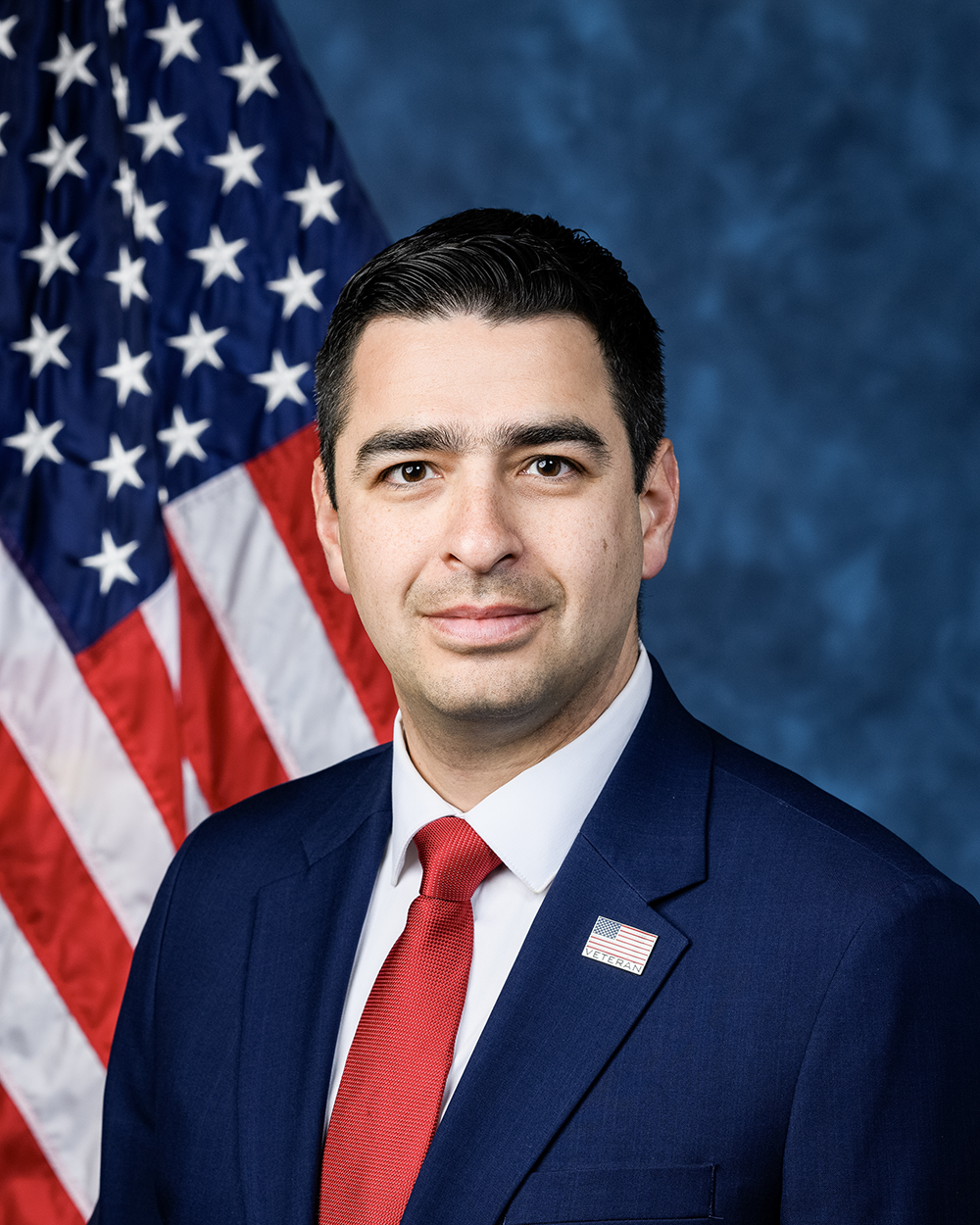
Rep. Gabe Evans
Sponsored bills
Maddy summaryThis bill, titled the No Federal Tax Dollars for Illegal Aliens Health Insurance Act of 2026, amends the Affordable Care Act to restrict the use of federal taxpayer funds for health insurance coverage. It directly affects states that receive funding under the ACA and individuals seeking health insurance coverage through federal programs. The key provision prohibits states from using pass-through funding to pay for health insurance or related benefits for individuals who are not U.S. citizens, nationals, or lawfully present aliens. Additionally, the bill requires the Secretary of Health and Human Services to rescind any existing waivers that would have allowed such funding for unauthorized individuals had the new restrictions been in place at the time of approval.
Respect State Housing Laws Act This bill eliminates a provision that requires a 30-day notice period before a landlord may begin eviction proceedings against a tenant in federally assisted or federally backed housing.
Law-Enforcement Innovate to De-Escalate Act This bill removes less-than-lethal projectile devices (e.g., certain TASERs) from regulation under the Gun Control Act. The term less-than-lethal projectile device means a device that (1) is not designed or intended to expel (and may not be readily converted to discharge) commonly used ammunition or projectiles exceeding a velocity of 500 feet per second; (2) is designed and intended to be used in a manner not likely to cause death or serious bodily injury; and (3) does not accept (and cannot be readily modified to accept) an ammunition feeding device. The bill also requires the Bureau of Alcohol, Tobacco, Firearms and Explosives to determine whether a device satisfies the definition of a less-than-lethal projectile device within 90 days of a request.
Maddy summaryHR 7631, the Rural Water Security Act, amends existing water law by adding Colorado as a state alongside Arizona in three specific provisions of the 1999 Water Resources Development Act. This technical change updates legal references related to Western water management, specifically affecting states involved in interstate water agreements like the Colorado River Basin. The bill does not create new programs or funding but adjusts how Colorado is recognized in current water law. It directly impacts water resource planning and management for states in the Western U.S. participating in these agreements.
Maddy summaryThis bill establishes a national resource center to help states, local governments, and tribes adopt programs designed to prevent domestic violence homicides. It authorizes the Attorney General to award grants to nonprofit or tribal organizations that have proven experience in creating and evaluating these safety initiatives. The funded programs would train first responders to better identify high-risk situations and connect victims quickly with community support services using evidence-based tools. A total of $5,000,000 is authorized annually starting in fiscal year 2026 to support these efforts.
Maddy summaryHR 7473 (CMMSA 2.0) increases the tax credit for battery manufacturing from 10% to 25% for electrode materials used in battery production. It adds new requirements that battery components cannot contain critical minerals extracted, processed, or recycled after 2026 by foreign entities deemed a security threat. The bill also expands what qualifies as "electrode active materials" to include precursor materials (like lithium hydroxide) and solid state electrolytes. Finally, it extends the phaseout period for certain critical mineral credits until 2041, instead of 2030. This directly affects battery manufacturers seeking tax credits for domestic production.
Maddy summaryThis bill modifies federal budget rules for unspent agency funds. It requires federal agencies to allocate 49% of unused funds to the next fiscal year, 49% toward paying the national debt, and 2% for retention bonuses (capped at 10% of an employee's base pay). Agencies must also limit future budget requests to the previous year's amount adjusted for inflation. The bill directly affects all executive branch agencies (excluding the Red Cross), altering how they manage leftover budget authority. It does not create new savings programs for individuals but changes government fiscal management procedures.
Maddy summaryThis bill prevents state or local governments from banning or restricting energy connections (like installation, modification, or access) based on the type or source of energy, such as electricity, natural gas, or renewable fuels. It directly affects consumers choosing energy providers and energy companies seeking to offer services. The key provision prohibits local laws, regulations, or policies that limit energy services sold in interstate commerce, covering all energy types listed in the bill’s definitions. It does not create new programs but limits regulatory authority at the state or local level. The law aims to ensure open access to diverse energy sources without source-based restrictions.
Maddy summaryThis bill requires Medicare plans (including Medicare Advantage and prescription drug plans) to base coverage decisions on medical necessity and evidence-based standards. It mandates that plans seek input from practicing physicians when creating or changing coverage rules, post all preauthorization requirements online in plain language, and publicly share statistics on approvals and denials. The bill also requires that adverse coverage decisions be made by licensed, board-certified physicians and prohibits denying coverage solely due to lack of evidence-based standards when none exist for a service. These changes aim to reduce unnecessary delays in care for Medicare beneficiaries by increasing transparency and clinical input in coverage decisions.