

Maddy summaryThe UNLEADED Act directs the Federal Aviation Administration to create an education program for general aviation pilots, flight schools, and other aviation professionals regarding new unleaded aviation gasoline. This program will provide information on fuel compatibility, safety, purchasing availability, and any federal incentives, while also establishing a public tracking system for fuel authorization status. Additionally, the bill requires the FAA to coordinate annual training for fixed-base operators to ensure staff understand the differences between fuel types and their impact on aircraft. The initiative is set to run until December 31, 2036, with the FAA required to report progress to Congress on the program's implementation and fuel sales data.
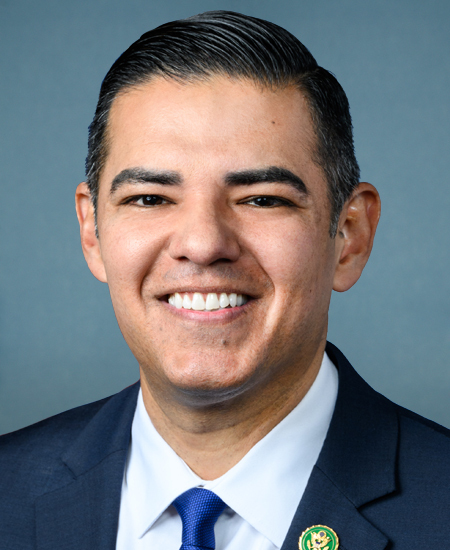
Rep. Robert Garcia
Sponsored bills
Maddy summaryHR 2488 designates the U.S. Postal Service facility at 3817 Marysville Boulevard in Sacramento, California, as the "Grantland Johnson Post Office." This bill updates all federal references in laws, maps, and documents to use the new name for that specific location. It directly affects the postal service facility and any federal records mentioning it. The bill is purely procedural, with no policy changes or financial impacts beyond the name designation.
Maddy summaryThe HELP Act of 2026 directs the Department of Health and Human Services to create a program that strengthens and coordinates 211 services, which provide free information and referrals for health and human services like food assistance and housing. The bill authorizes $250 million annually from 2026 to 2032 to fund grants for state-level 211 networks, requiring recipients to match at least 25% of the funding with local resources. A designated nonprofit administering agency will distribute these funds, oversee coordination between 211, 911, and 988 systems, and run public awareness campaigns to ensure all individuals can access these services regardless of location or disability.
Maddy summaryThe Piers Reinvestment Act expands federal funding opportunities for local governments to strengthen, upgrade, or improve municipal piers. It achieves this by adding piers to the list of eligible projects for resilience improvement grants and including them in at-risk coastal infrastructure grants. Additionally, the bill increases the total funding available for these coastal projects from $300 million to $500 million. This legislation directly affects municipalities and coastal communities that rely on piers for transportation, fishing, or tourism.
Maddy summaryThe Hazard Pay for Health Care Heroes Act establishes a grant program to provide financial compensation and safety resources to essential health care workers during declared emergencies or disasters. This legislation directly affects medical providers, support staff, and other frontline workers whose jobs cannot be performed remotely, such as orderlies and janitors in health care settings. Under the bill, eligible facilities can receive federal funds to pay workers an additional hourly rate of up to $13 for hazardous duties, with a yearly cap of $25,000 per employee, while also allowing funds for protective equipment and alternative transportation. The program is triggered by various federal or state emergency declarations and authorizes the necessary funding to implement these hazard pay measures.
Maddy summaryThe Save Willy Act of 2026 establishes a four-year pilot program to create a Cetacean Desk within the San Francisco Vessel Traffic Service, directly affecting maritime operators and federal agencies managing vessel traffic in the San Francisco Bay and Golden Gate Strait. This desk will employ up to two staff members to monitor large whale sightings, coordinate with ship operators to enforce safety guidelines, and share real-time data to reduce the risk of vessel strikes and disturbances. The bill also mandates the use of emerging technologies like artificial intelligence for better detection, requires regular reports on the program's effectiveness, and ensures collaboration with local governments, tribes, and research institutions to protect these marine mammals.
Maddy summaryThe SERVE Act extends various Veterans Affairs benefits to former military members who were discharged specifically due to their sexual orientation or gender identity. This legislation amends existing laws to include these individuals in access to hospital care, mental health counseling, burial in national cemeteries, post-9/11 education assistance, and VA housing loans. The bill also requires the Department of Veterans Affairs to notify affected service members about available benefits and mandates a report within 15 months detailing how many individuals have received these services.
Maddy summaryThe Momnibus Act is a comprehensive legislative bill designed to improve maternal health outcomes across the United States by addressing social determinants of health, expanding access to care, and reducing disparities among pregnant and postpartum individuals. The bill establishes a federal task force to coordinate efforts between agencies and stakeholders to eliminate preventable maternal mortality and severe morbidity, while providing sustained funding to community-based organizations to address nonclinical factors like housing, nutrition, and transportation. Key provisions include extending WIC eligibility to 24 months postpartum, creating grants to grow and diversify the perinatal workforce, implementing respectful maternity care training for all healthcare employees, and establishing compliance programs to track and address bias in maternity care settings. The legislation also includes specific measures for incarcerated mothers, veterans, and vulnerable populations affected by climate change, alongside funding for maternal mental health services and technology-enabled care models to expand access in underserved areas.
Maddy summaryThis concurrent resolution (HCONRES 40) directs the President to remove U.S. military forces from hostilities with Iran, as required by the War Powers Resolution. It applies directly to U.S. Armed Forces deployed in conflict with Iran, except for forces needed to defend the U.S. or allies from imminent attack. The bill mandates removal unless the President complies with War Powers Resolution reporting requirements for self-defense actions, without needing new congressional authorization. As a procedural resolution, it does not create new law but compels executive action under existing legal framework.
Maddy summaryThe Supporting VA Families Act grants unpaid parental leave to Department of Veterans Affairs employees. This provision allows employees to take four weeks of unpaid leave within a 12-month period for the birth of a child or for adoption and foster care placements. The leave is designed to supplement existing leave policies rather than replace them, ensuring employees can balance family needs with their work responsibilities. The act defines eligible employees and children according to existing federal definitions found in Title 5 of the United States Code.