Issue · Budget & Taxes

Budget & Taxes

Every budget & taxes bill, vote, and legislator stance in Illinois, automatically classified by Maddy, our AI policy reader.

Total bills
430
119th Congress
Top supporter
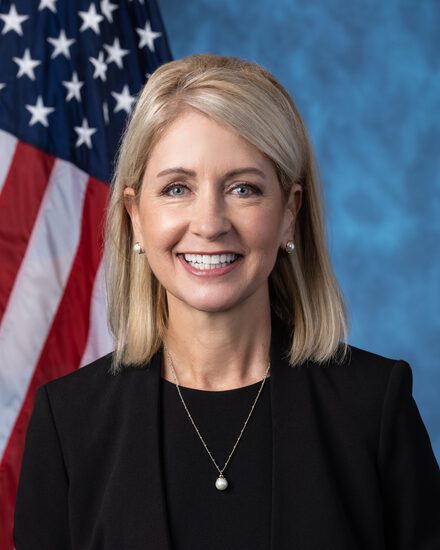
Mary E. Miller
82% support rate
Top opponent
Raja Krishnamoorthi
15% support rate
Ranked legislators
10
5 support · 5 oppose
Key legislators

Who's moving budget & taxes in Illinois

Legislators moving budget & taxes in Illinois
Legislator Party Stance Support rate Votes
Mary E. Miller
Mary E. Miller House · District 15
R
Strong +
82% 184
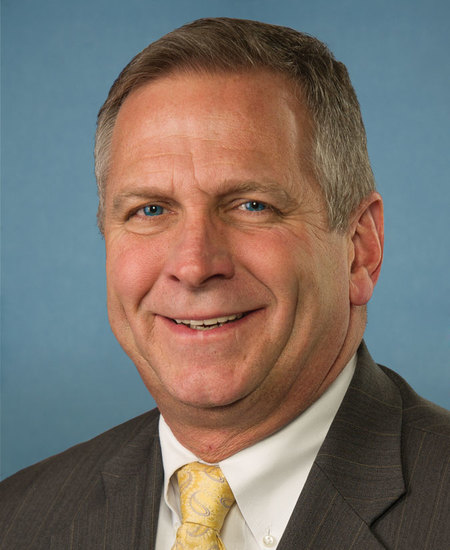
Mike Bost
Mike Bost House · District 12
R
Support
70% 185
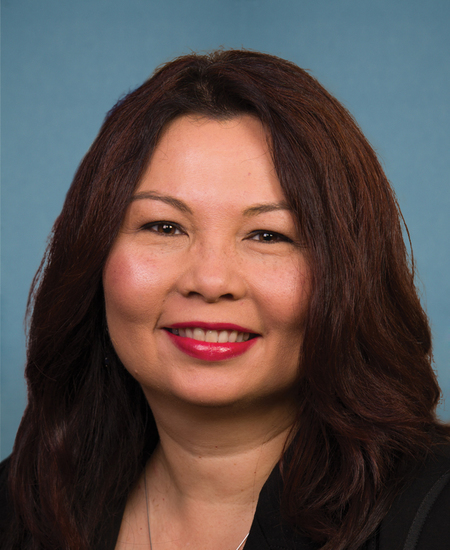
Tammy Duckworth
Tammy Duckworth Senate
D
Support
69% 268
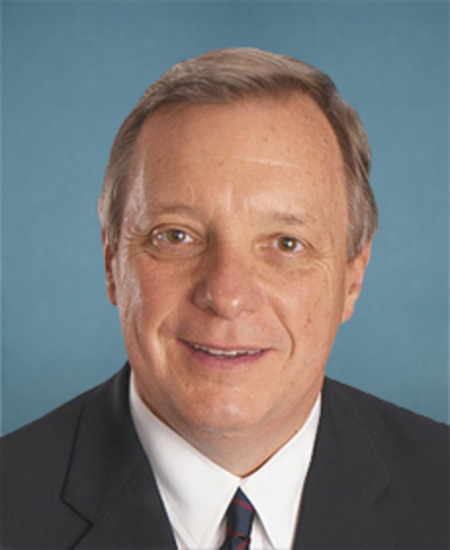
Richard J. Durbin
Richard J. Durbin Senate
D
Support
68% 273
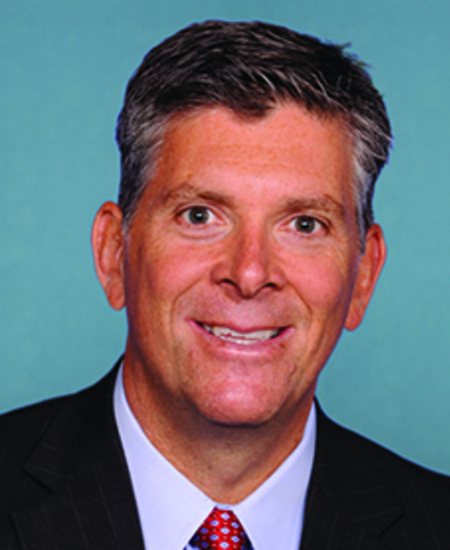
Darin LaHood
Darin LaHood House · District 16
R
Mixed
59% 162
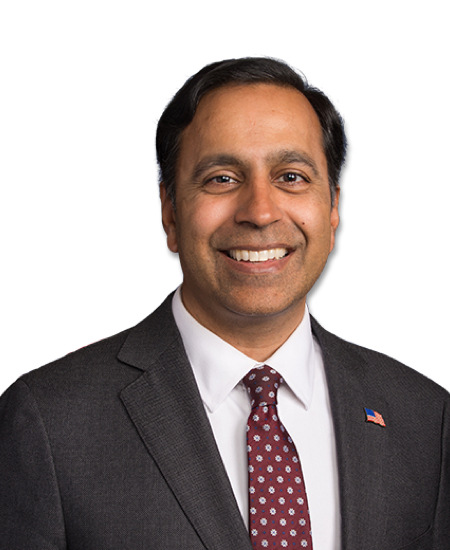
Raja Krishnamoorthi
Raja Krishnamoorthi House · District 8
D
Strong −
15% 183
Jonathan L. Jackson
Jonathan L. Jackson House · District 1
D
Strong −
15% 177
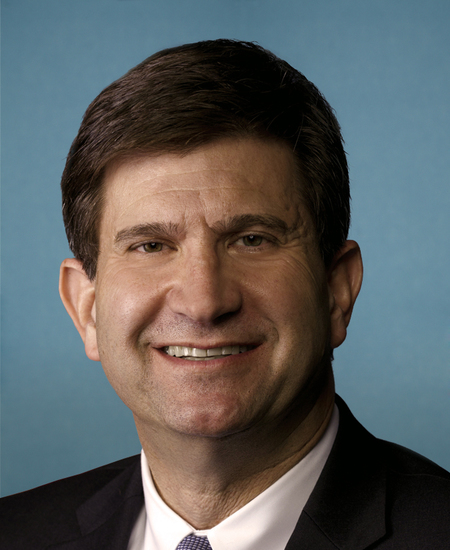
Bradley Scott Schneider
Bradley Scott Schneider House · District 10
D
Strong −
18% 185
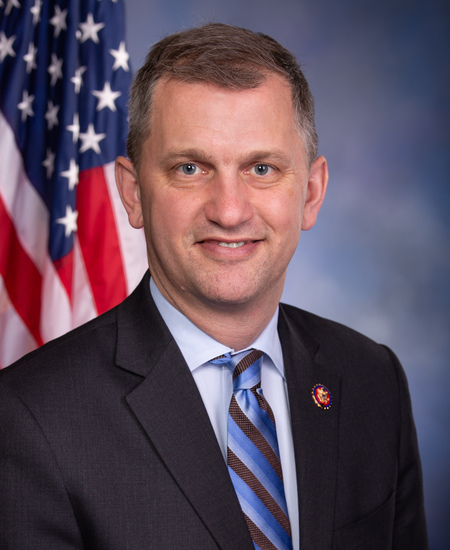
Sean Casten
Sean Casten House · District 6
D
Strong −
18% 185
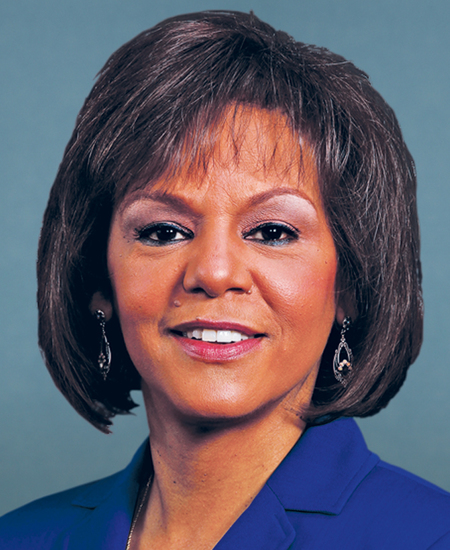
Robin L. Kelly
Robin L. Kelly House · District 2
D
Strong −
18% 184
Showing 1–10 of 430 bills

All budget & taxes bills

in committee · United States · House Sep 3, 2026

HR 10256: Taxpayer Relief from Big Oil Act

The Taxpayer Relief from Big Oil Act would eliminate existing royalty relief programs for oil and gas companies operating in the Gulf of Mexico and Alaska, requiring these firms to pay full royalties on their production. The bill also mandates that the Department of Interior establish standardized transportation cost deductions for calculating royalties on federal lands and offshore waters, capping these deductions at either 30 percent of the total value of production or actual reasonable costs, whichever is lower. Additionally, the legislation requires the Bureau of Land Management and the Bureau of Ocean Energy Management to submit annual reports to Congress detailing the number of royalty relief applications processed, approved wells, and estimated impacts on government revenue.
in committee · United States · House Jul 27, 2026

HR 9958: Head Start Expansion and Improvement Act of 2026

The Head Start Expansion and Improvement Act of 2026 broadens eligibility for early childhood education services by including recipients of various public assistance programs, such as food stamps and Medicaid, in the definition of qualifying families. The bill authorizes $36 billion annually from fiscal years 2027 through 2032 to support these expanded operations and creates a separate grant program providing $1 billion per year until 2030 for agencies to repair or upgrade aging facilities with safety hazards. Additionally, the legislation establishes a loan forgiveness program that cancels federal student loans for childcare workers who complete three years of full-time service in Head Start or Early Head Start programs. Finally, it authorizes $6.8 billion annually through 2032 to provide salary supplements to Head Start employees, with funding allocated based on local wage gaps and cost-of-living factors.
in committee · United States · House Sep 3, 2026

HR 10277: Access to School Supplies Act of 2026

The Access to School Supplies Act of 2026 establishes a five-year pilot program that provides competitive grants to up to ten local school districts serving high-poverty schools. These funds are intended to help districts purchase books, supplies, and other materials for students and instructional staff at no cost. The legislation authorizes $100 million annually from fiscal years 2027 through 2031 and requires recipients to submit annual reports detailing how the money was spent and which schools benefited. A small portion of the total funding is reserved for outlying areas and Bureau of Indian Education schools, while the program sunsets on September 30, 2031.
in committee · United States · House Sep 2, 2026

HR 10236: Protecting Student Athletes from Unexpected Tax Liability Act

The Protecting Student Athletes from Unexpected Tax Liability Act requires companies to withhold 30 percent of income tax from payments made for a student athlete's name, image, and likeness. This rule treats these specific commercial payments as if they were standard wages, even though the athletes are not classified as employees. The bill also waives penalties for underpaid taxes in the first year a student athlete is subject to this new withholding requirement. To ensure the policy works effectively, the Treasury Department must report to Congress by 2029 on whether the 30 percent rate is appropriate and how well companies are complying with the law.
Sub-Topics Income Tax
in committee · United States · Senate Aug 6, 2026

SRES 832: A resolution establishing a process to assure the long-term fiscal stability of the Federal Old-Age and Survivors Insurance Trust Fund and the Federal Disability Insurance Trust Fund.

This resolution establishes a mandatory process for the U.S. Senate to address the long-term fiscal stability of Social Security by creating a bipartisan working group that must submit legislative proposals within specific deadlines. The bill requires the Senate to introduce and consider legislation that ensures the Social Security Trust Funds can pay 100 percent of scheduled benefits for at least 50 years, restricting debate to 30 hours and limiting amendments to those that meet this solvency standard. Passage of the final bill in the Senate requires a three-fifths supermajority vote, and the resolution prohibits the inclusion of any provisions unrelated to changing Social Security outlays, revenues, or financing.
Sub-Topics Pensions
in committee · United States · House Jul 21, 2026

HR 9821: Shared Values Act

The Shared Values Act is a comprehensive legislative package that modifies various federal programs to support local agriculture, healthcare, and infrastructure while introducing new regulations for government employees and public services. It increases funding for farmers' markets, establishes a new Climate and Health program within the CDC, and mandates the installation of baby changing tables on Amtrak trains. The bill also expands financial disclosure requirements for special government employees, raises the cap on state and local tax deductions, and authorizes the Secretary of State to assist international efforts against violence against LGBTQI+ people. Additionally, it includes provisions to improve nursing workforce development, restrict sexual relationships between House members and their staff, and create a pilot program for critical infrastructure security training.
in committee · United States · House Jul 21, 2026

HR 9795: Never Forget the Victims of Terrorism: Joseph D. Mistrulli and Alan Kleinberg USVSST Fund Solvency Act

This bill establishes a temporary funding mechanism for the United States Victims of State Sponsored Terrorism Fund by requiring the Treasury Department to loan $3 billion annually to the fund for fiscal years 2027, 2028, and 2029. The borrowed money must be distributed immediately to victims as part of the annual payment and cannot be saved for future use. Interest on these loans will be set by the Treasury based on market rates and will be repaid only from future fines and penalties collected from state sponsors of terrorism after the fund ends. The authority to make these loans expires on September 30, 2029, and the funds are treated as direct spending rather than new appropriations.
in committee · United States · House Aug 6, 2026

HR 10060: Presidential Tax Accountability and Audit Integrity Act

This bill, known as the Presidential Tax Accountability and Audit Integrity Act, prevents the President and their close family members or related business associates from entering into agreements that waive or release federal tax debts while the President is in office. It stops the IRS from honoring any such waivers or orders made during the President's term and requires the agency to publicly report the identities of any taxpayers affected by these instruments within seven days. Additionally, the law ensures that the standard time limits for the government to collect unpaid taxes or sue for collection do not expire until at least three years after the President leaves office. These measures aim to increase transparency and maintain the integrity of the tax system by restricting special treatment for the highest office holder and their connections.
in committee · United States · Senate Jul 30, 2026

S 5203: TURBO Act

The TURBO Act expands tax-exempt financing options for specific transportation projects to encourage investment in urban transit and freight infrastructure. It directly affects state and local governments issuing bonds to fund these initiatives by raising the maximum borrowing limit for highway and freight transfer facilities from $30 billion to $45 billion. Additionally, the bill allows tax-exempt bonds to be used for purchasing rolling stock like trains and permits high-speed intercity rail projects to have a maximum speed limit of 110 miles per hour instead of 150. These changes apply to any bonds issued after the law is enacted.
in committee · United States · Senate Jul 21, 2026

S 5037: MediKids Act

The MediKids Act expands Medicaid eligibility to cover children and young adults up to age 26, regardless of their immigration status, and establishes a system for automatic enrollment of newborns that allows parents to opt out if other qualifying health coverage is available. The bill ensures that states provide full federal funding for these expanded groups and extends specific pediatric health services, such as Early and Periodic Screening, Diagnostic, and Treatment (EPSDT), to individuals up to age 26. Additionally, the legislation modifies tax rules to prevent this new Medicaid coverage from counting as minimum essential coverage for the purpose of individual health insurance tax penalties.
Showing 1 to 10 of 430 bills
1 2 3 43 Next