

Maddy summaryThe Women’s Health Protection Act of 2025 (S 2150) prohibits state laws that impose unnecessary restrictions on abortion access before fetal viability. It directly affects patients seeking abortion care and health care providers (including clinics, hospitals, and medical professionals), banning requirements like mandatory in-person visits, location-based travel barriers, or restrictions on telemedicine that don’t apply to comparable medical procedures. The bill overrides conflicting state laws, requires courts to consider factors like cost and travel burden when evaluating restrictions, and establishes federal enforcement through lawsuits to stop violations. It focuses on ensuring access to abortion services without burdens that hinder care, while allowing post-viability abortions only when necessary to protect a patient’s life or health.
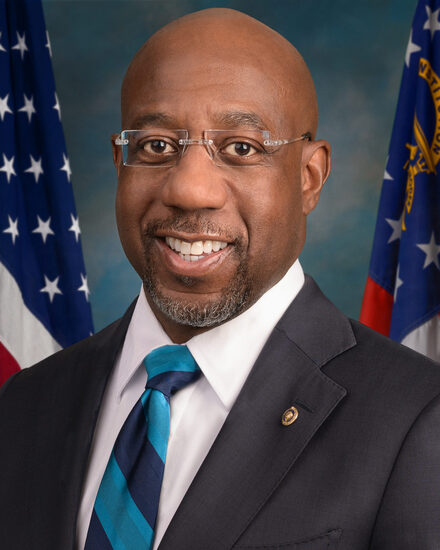
Sen. Raphael G. Warnock
Sponsored bills
Maddy summaryThis bill changes tax rules to help intelligence community employees who relocate for work. It allows these employees (excluding military members) to deduct moving expenses and exclude relocation reimbursements from taxable income when moving due to a required assignment change. The key change modifies two sections of the tax code to treat intelligence community relocations similarly to other federal employee moves. This directly affects current or new intelligence community staff who must move for mission-critical assignments. The policy aims to reduce tax burdens when these employees relocate for work.
Maddy summaryS 2131, the Dads Matter Act of 2025, requires the Health and Human Services Secretary to launch a public awareness campaign within two years and issue state guidance within one year to improve father involvement in prenatal and postpartum care. The campaign will promote father engagement through public messaging, while the guidance will direct states to train healthcare providers (like OB-GYNs and hospitals) on supporting fathers’ roles during pregnancy and early childcare. Key provisions focus on increasing prenatal care attendance, reducing maternal health risks, improving breastfeeding success, and promoting father-infant bonding. This policy directly affects healthcare systems nationwide by changing provider practices to better include fathers in maternal and infant health support.
Maddy summaryS 2117, the Preventing Deep Fake Scams Act, establishes a federal Task Force to study deep fake threats in financial services. The Task Force, made up of key financial regulators (Treasury, Federal Reserve, FDIC, CFPB, and others), will report to Congress within one year on how banks and credit unions protect consumers from AI-driven fraud, define AI terms, identify risks, and recommend best practices and regulations. It does not create new laws but requires a detailed study of deep fake scams targeting voice banking and consumer data. The bill directly affects financial institutions, consumers, and regulators by mandating a formal review of AI security risks and solutions.
Maddy summaryThe SECURE Act creates a new pathway for certain foreign nationals to adjust to lawful permanent resident status without leaving the United States. It primarily affects individuals who have been continuously present in the U.S. for at least three years and qualify under Temporary Protected Status (TPS), including those who previously had TPS or were granted deferred enforced departure. The bill allows eligible applicants to apply for permanent residency, provides work authorization while applications are pending, and protects the confidentiality of application information. It also includes provisions for spouses and children of qualifying applicants to adjust their status, and requires new reporting for countries whose TPS designation is terminated. The law includes specific eligibility requirements related to criminal background checks and continuous physical presence.
Maddy summaryThe Countering Wrongful Detention Act of 2025 creates a new "State Sponsor of Unlawful or Wrongful Detention" designation for foreign countries that fail to release U.S. citizens within 30 days of notification or support such detentions. It requires air carriers to obtain passenger certification that they've reviewed State Department travel advisories for countries with "D" (wrongful detention risk) or "K" (criminal/terrorist threat) indicators before booking travel. The bill also establishes an Advisory Council composed of former detainees, family members, and experts to advise on hostage and wrongful detention policies. Additionally, it mandates regular congressional reports on potential designations, responses to detentions, and improvements to existing hostage response components.
Maddy summaryThis Senate resolution (SRES 285) designates July 16, 2025, as "Glioblastoma Awareness Day." It aims to raise public awareness about glioblastoma, a highly aggressive and deadly brain cancer affecting thousands annually, and honors those impacted by the disease. The resolution encourages greater public understanding of glioblastoma's challenges and supports ongoing research efforts like the Glioblastoma Therapeutics Network.
Maddy summaryThe Keeping Obstetrics Local Act focuses on improving access to obstetric care in rural and underserved communities. It requires states to study costs of maternity services and mandates Medicaid payments for obstetric care at eligible hospitals to be at least 150% of Medicare rates (starting in 2027), with increased federal funding. The bill also requires 12-month continuous coverage for pregnant individuals under Medicaid and CHIP, establishes health homes for coordinated maternal care, and creates special payments for low-volume obstetric hospitals to prevent closures. Additionally, it requires hospitals to provide advance notice of obstetric unit closures and collects detailed data on labor and delivery services, directly affecting rural hospitals, pregnant individuals, and maternal health care providers.
Maddy summaryThe ASSIST Act (S 2050) increases federal funding for mental health and substance use disorder services provided in schools and school-based health centers. It raises the federal medical assistance percentage (FMAP) for these services to 90% for states, starting one year after enactment, while ensuring this doesn’t reduce existing federal payments or count against territorial spending limits. The bill also creates a new grant program administered by the Health and Human Services Secretary to fund entities like school districts and universities in hiring more licensed mental health providers, requiring culturally competent care and annual reporting on provider numbers and service effectiveness. It prohibits using grant funds for threat assessment teams and mandates a report to Congress on the program’s effectiveness within 18 months.
Aerial Firefighting Enhancement Act of 2025 This act reauthorizes the Department of Defense to sell its excess aircraft and aircraft parts that are acceptable for commercial sale for wildfire suppression purposes. Such authority begins June 12, 2025, and ends October 1, 2035. The act also provides that such aircraft may be used to deliver water by air in order to suppress wildfire (the previous authority only provided for the delivery of fire retardant). The act removes the previous limitation on providing international wildfire suppression assistance with such purchased aircraft.