

Issue · Education
Education
Every education bill, vote, and legislator stance in Idaho, automatically classified by Maddy, our AI policy reader.
Total bills
26
119th Congress
Top supporter
James E. Risch
60% support rate
Top opponent
Russ Fulcher
22% support rate
Ranked legislators
4
2 support · 2 oppose
Key legislators
Who's moving education in Idaho
| Legislator | Party | Stance | Support rate | Votes |
|---|---|---|---|---|
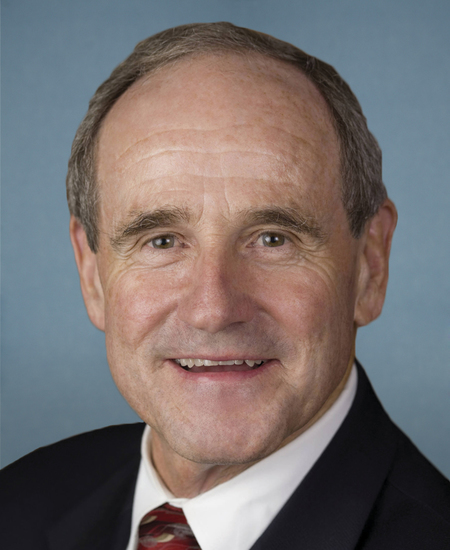
James E. Risch
Senate
|
R |
Support
|
60% | 164 |
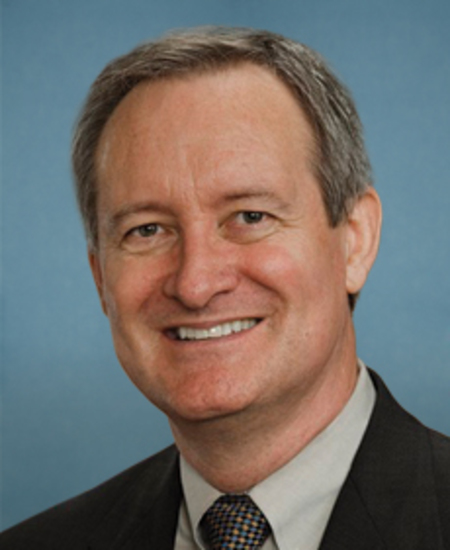
Mike Crapo
Senate
|
R |
Mixed
|
57% | 168 |
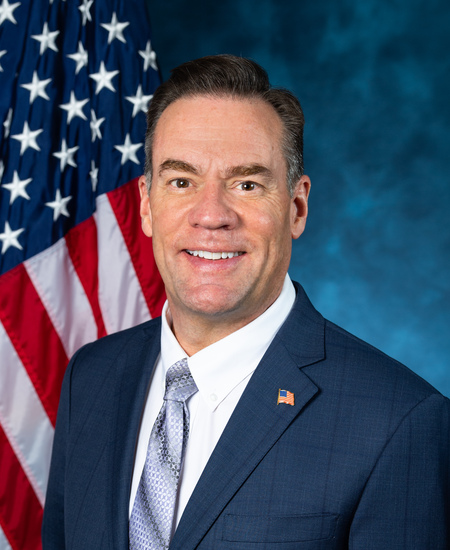
Russ Fulcher
House · District 1
|
R |
Oppose
|
22% | 130 |
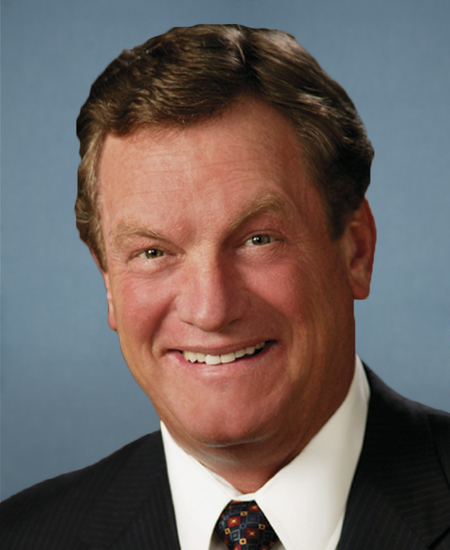
Michael K. Simpson
House · District 2
|
R |
Oppose
|
33% | 129 |
Showing 1–10 of 26
bills
All education bills
HR 9103: Merit Restoration Act
S 4629: Government Bailout Prevention Act
Topics
✗ Budget & TaxesOpposes Budget & TaxesBill restricts federal funding and debt support for distressed local governments, limiting fiscal assistance.
✗ EducationOpposes EducationBill restricts federal funding and debt support for school districts facing financial distress, potentially limiting resources for K-12 schools.
SRES 686: A resolution recognizing the significance of Community College Month in April as a celebration of more than 1,000 institutions throughout the United States supporting access to higher education, workforce training, and more broadly sustaining and advancing the economic prosperity of the United States.
Sub-Topics
Higher Education
SRES 694: A resolution designating April 2026 as "Financial Literacy Month".
S 1147: Defining Male and Female Act of 2025
Topics
✗ EducationOpposes EducationBill restricts gender identity recognition in federal contexts, limiting educational access and curriculum inclusivity for transgender and non-binary students in K-12 and higher education settings.
✗ HealthcareOpposes HealthcareBill restricts healthcare access by limiting federal protections for transgender individuals, potentially reducing coverage and services for gender-affirming care.
S 978: HELPER Act of 2025
Topics
✓ EducationSupports EducationBill explicitly includes K-12 teachers in its FHA mortgage program, directly supporting educators through housing benefits as part of their employment support.
✓ HousingSupports HousingCreates FHA program enabling no-down-payment home purchases for first responders/teachers, directly increasing affordable housing access for targeted groups.
S 674: Broadband Grant Tax Treatment Act
Topics
✓ Budget & TaxesSupports Budget & TaxesExcludes broadband grants from taxable income, providing tax relief to recipients and preventing double taxation, thus supporting fiscal management of grant funds.
✓ EducationSupports EducationExcludes broadband grants from taxable income, enabling schools to use full grant funds for digital infrastructure and access, directly supporting educational technology access.
✓ TechnologySupports TechnologyExcludes broadband grants from taxable income to facilitate infrastructure deployment under federal broadband programs, directly expanding internet access as a core technology policy.
S 424: Retirement Fairness for Charities and Educational Institutions Act of 2025
Topics
✓ EducationSupports EducationBill expands retirement plan exemptions for educational institution employees, supporting teacher benefits and institutional operations under ERISA compliance.
✓ Labor & EmploymentSupports Labor & EmploymentExpands regulatory exemptions for 403(b) retirement plans used by nonprofits, ensuring ERISA compliance and fiduciary standards to facilitate access to retirement benefits for workers.
Sub-Topics
Retirement Benefits
S 1163: Rural Veterinary Workforce Act
Topics
✓ Budget & TaxesSupports Budget & TaxesExcludes loan repayment assistance from taxable income, providing tax relief for veterinary students in rural programs under qualifying state/federal initiatives.
✓ EducationSupports EducationBill provides tax exclusion for veterinary students in agricultural education programs (via 1977 Act), supporting higher education access and reducing financial barriers for rural veterinary training.
✓ HealthcareSupports HealthcareExpands tax-free loan assistance for rural veterinary students, directly increasing access to veterinary healthcare services in underserved areas.