

Clarifies the process for selecting a certified provider of vocational rehabilitation services. Requires certified providers to automatically approve vocational rehabilitation services for an injured employee if those services will likely be required for suitable gainful employment and the initial evaluation report finds the injured employee feasible to participate. Requires providers to file an employee's vocational rehabilitation plan no later than one hundred twenty days after submitting an initial evaluation report, unless extended by the Director of Labor and Industrial Relations. Clarifies the process for an employer to object to a vocational rehabilitation plan. (CD1)
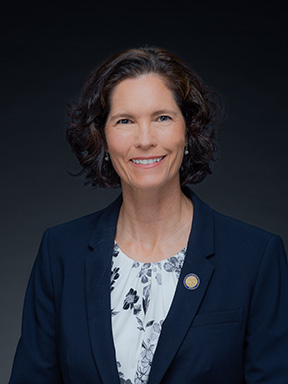
Rep. Lisa Marten
Sponsored bills
Maddy summaryHB 2415 appropriates state funds to the Department of Transportation for installing pedestrian safety improvements (like crosswalks or signage) at locations directly adjacent to school properties. It also directs the department to consider implementing similar safety measures at other high-risk sites beyond school areas. The bill would require the Department of Transportation to use these allocated funds for specific traffic safety projects, effective July 1, 3000. This policy change directly affects school communities and pedestrians near schools by directing state resources toward physical safety infrastructure.
Establishes within the Department of Education arts integration coordinator or specialist positions to support fine arts education and arts integration in public schools statewide. Appropriates funds. Effective 7/1/3000. (HD1)
Maddy summaryHB 2438 establishes the Hawaii Cultural Trust within the Department of Business, Economic Development, and Tourism to support cultural preservation. It creates an income tax credit for individuals and businesses donating to the Trust or qualified Hawaii cultural organizations, subject to specific conditions. The bill also introduces a special vehicle license plate with proceeds funding the Trust, effective for taxable years beginning after December 31, 2025. These provisions directly affect donors and cultural organizations by providing new tax incentives and dedicated funding streams.
Directs the University of Hawaii Community College System, in partnership with state agencies and maritime employers, to conduct a study and develop a plan for a statewide Maritime Youth Apprenticeship Pathway Program for individuals ages 16 to 24. Requires a report to the Legislature with recommendations on program structure, resource needs, proposed legislation and implementation options. Appropriates funds. Effective 7/31/2055. (SD1)
Clarifies that community mental health outpatient programs that have agreed to provide mental health services to a defendant as part of an assisted community treatment order may prepare a certificate for assisted community treatment and provide the certificate to a defendant and may file an assisted community treatment petition with the Family Court. (CD1)
Maddy summaryHB 2437 allocates state funds to the State Foundation on Culture and the Arts to support its "Artists in the Schools" program. This program directly brings professional artists into public schools to provide hands-on arts education. The bill provides concrete funding for the program's operations, including artist stipends and materials. It affects participating public schools and their students by expanding access to in-person arts instruction.
Maddy summaryHB 1643 establishes clear rules for how state agencies conduct audits of pharmacy and pharmacist records. It directly affects pharmacists and pharmacies by defining the process, scope, and requirements for these audits. The bill specifies procedures for accessing records, conducting reviews, and documenting findings, ensuring consistency in administrative oversight. This is a procedural bill focused solely on audit mechanics, not changes to pharmacy practice or patient care.
Maddy summaryHB 1737 clarifies the permitted uses for farm dwellings and employee housing within agricultural districts. It directly affects farm employers and workers in designated farming areas by specifying what types of housing developments are allowed under existing regulations. The bill does not create new rules but makes current zoning expectations clearer to prevent confusion. It takes effect on July 1, 3000.
Maddy summaryHB 2576 simplifies the background check process for people applying to work in healthcare facilities, those running them, and staff who directly interact with patients. The bill clarifies existing rules to make it easier for these individuals to undergo necessary screenings without unnecessary hurdles. By streamlining these requirements, the legislation aims to reduce administrative burdens while maintaining safety standards for healthcare environments. This change directly impacts healthcare employers and job seekers within the sector by updating how they must verify criminal histories.