

Maddy summaryHB 1489 allocates state funds to the Department of Human Services (DHS) to administer core homelessness services. It directly affects individuals experiencing homelessness by providing resources for essential support programs, though the specific services (e.g., shelters, case management) are not detailed in the abstract. The bill’s key mechanism is funding distribution through DHS, requiring the department to manage these services under the state’s homelessness strategy. As of its current status, the bill is pending in the 2026 Regular Session after being referred to relevant committees in 2025.
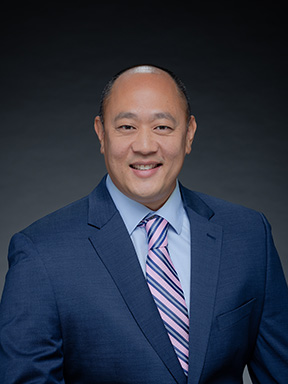
Rep. Mike Lee
Sponsored bills
Increases a taxpayer's applicable percentage of employment-related expenses that is used to calculate the household and dependent care services tax credit. Extends the sunset date of the temporary increase in maximum employment-related expenses that are used to calculate the household and dependent care services tax credit, established by Act 163, SLH 2023, to 6/30/2030. Effective 7/1/3000. Sunsets 6/30/3005. (HD1)
Maddy summaryHB 627 allocates funds to the Department of Education to hire staff positions focused on implementing and maintaining school safety measures. It directly affects public schools by providing resources to enhance safety protocols through dedicated personnel. The bill’s key provision is the appropriation of funding specifically for these safety-related roles, rather than altering existing safety standards. The measure is scheduled to take effect on July 1, 3000 (note: likely a typo for 2030, per standard legislative dates).
Maddy summaryHB 124 would establish a 10-year statute of repose for land surveyors, meaning clients cannot file civil lawsuits for errors or mistakes in survey work after this period. This directly affects both land surveyors (limiting their potential liability) and clients who may seek remedies for survey-related issues. The key provision sets a clear, fixed deadline - 10 years from when the survey was completed - after which legal claims are barred. The bill is currently pending in the 2026 legislative session.
Establishes a private right of action for any person aggrieved by a violation of the Federal Aviation Act and existing federal laws to bring a civil action against the owner or operator of the helicopter in violation and collect damages and litigation costs. Effective 7/1/3000. (HD1)
Allows manufacturers to coordinate activities directly related to the recycling of covered electronic devices. Expands the scope of covered electronic devices to include electronic device peripherals and certain legacy devices. Requires manufacturers to provide free collection service locations and collection events.
Requires public contractors to obtain insurance to cover at least half of a project's construction costs to the State to provide funds for curing construction defects discovered within ten years after the completion of the contract. Authorizes the State to institute an action against the contractor for the total costs of curing those defects.
Maddy summaryHB 942 allocates state funds to the Department of Health to pay community-based health organizations for contracted health care services. It directly affects local clinics, nonprofits, and social service providers that deliver health care in communities. The key mechanism is directing state funding through the Department of Health to these organizations, rather than changing eligibility or service requirements. This is a funding bill focused on resource allocation, not altering health care policy or patient access rules.
Establishes the Spay and Neuter Special Fund to reduce pet overpopulation and the reproduction of free-roaming cats. Establishes various revenue and fundraising sources for the special fund. Appropriates funds. Effective 7/1/3000. (HD2)
Maddy summaryHB 645 allocates state funds to the Department of Human Services specifically for emergency shelter and support services for unaccompanied homeless youth. The bill directly affects young people under 18 who are living without family or guardians and facing immediate housing instability. Key provisions include directing the Department of Human Services to use these funds to provide immediate shelter, counseling, and other essential services to this vulnerable group. The bill is currently pending in the 2025 session, having been introduced and referred to committees but not yet passed.