

Increases the bonus for teachers who achieve and maintain a current national board certification from $5,000 to $10,000. Appropriates funds. Effective 7/1/3000. (HD1)
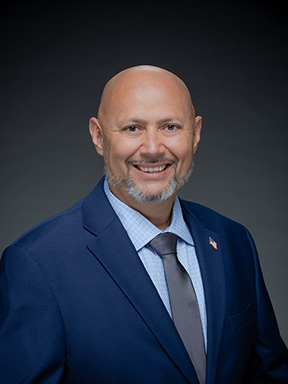
Rep. Chris Muraoka
Sponsored bills
Beginning with the 2026-2027 school year, requires that each Department of Education public school student earn 2 credits in Hawaiian language as a graduation requirement. Establishes a 2-year pilot program for Hawaiian language instruction at a central Oahu elementary school and Nanakuli High and Intermediate School. Appropriates funds.
Requires certain landlords to provide a specified notice to a tenant regarding the tenant's potential right to purchase the property, under certain conditions. Allows tenants, families, local governments, affordable housing nonprofits, and community land trusts forty-five days to match or beat the best bona fide offer to buy an eligible affordable housing property. Establishes conveyance tax rates for the sale of eligible affordable housing properties.
Establishes that for a minor in theatrical employment with a gross income of at least $5,000 on a project or $20,000 in a calendar year: a parent or legal guardian of the minor is required to establish a trust account for the minor with an independent third-party trustee; and the employer of the minor is required to deposit a portion of the minor's earnings into the trust account until the minor becomes an adult. Makes misappropriation or fraudulent use of funds within the trust account a breach of fiduciary duty subject to penalties. (CD1)
Increases the domiciliary care rates for certain providers and clarifies that the needs allowance and domiciliary care rates are included in the state supplemental payment ceiling amounts. Effective 10/1/2025. (CD1)
For taxable years, beginning 1/1/2026, increases the maximum annual deduction for contributions to, and maximum account levels for, individual housing accounts. Takes effect 7/1/2050. (SD1)
Maddy summaryHCR 163 is a non-binding resolution urging the Hawaii State Foundation on Culture and the Arts to create an annual festival celebrating Pacific Island cultures and arts. It directly addresses the Foundation (with consultation from other agencies), inspired by the success of the 2024 FestPAC event that drew over 500,000 visitors. The resolution does not create new laws or funding but requests the Foundation establish this recurring event to foster cultural appreciation among Pacific nations. It is procedural in nature, focusing on symbolic recognition rather than policy change.
Maddy summaryHCR 42 is a resolution encouraging Hawaii's counties to develop their own biosecurity plans. It does not require counties to create these plans but urges them to tailor strategies to local challenges like climate, agriculture, and invasive species threats. The resolution emphasizes that plans should prioritize each county's specific needs for preventing harmful plant and animal invasions. It also recommends counties collaborate with each other and state agencies, such as the Department of Agriculture, to improve invasive species response efforts.
Maddy summaryHCR 69 is a resolution requesting Hawaii's State Fire Marshal to convene a working group focused on wildfire risk reduction. The group will study regulations defining property owner obligations for vegetation management on public and private land and establish minimum safety standards, training, and qualifications for tree trimmers near electric utility lines. This follows the 2023 Maui wildfires, which highlighted risks from vegetation near power lines and high fatality rates in tree trimming work. The working group will make recommendations to inform future regulations, but the resolution itself does not create new laws.
Maddy summaryHR 43 is a non-binding House Resolution urging the City and County of Honolulu to develop an alternative emergency access road on the Waiʻanae Coast. It directly affects communities of Waiʻanae, Makaha, Maʻili, and Nānākuli, which currently rely solely on Farrington Highway for emergency access. The resolution requests collaboration with the military, transportation agencies, and emergency management to create a new route, hold community meetings for input, and submit plans with a completion timeline to the Legislature by 2026. It does not mandate construction but emphasizes improving safety after issues like locked gates and single-lane roads worsened evacuation during the 2023 Lahaina wildfire.