

Establishes the Health Information Technology Infrastructure Grant Program within the Department of Health, to be administered by the State Health Planning and Development Agency, to support health information technology infrastructure and the implementation of interoperable health information technologies in federally qualified health centers, rural health clinics, Ryan White HIV/AIDS Program centers, and Native Hawaiian health centers. Appropriates funds for the grant program. Effective 12/31/2050. (SD1)
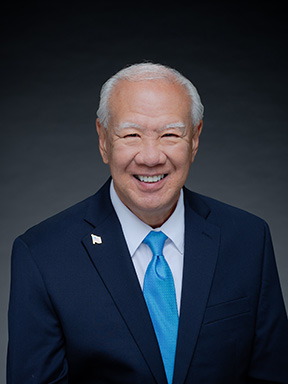
Rep. Gregg Takayama
Sponsored bills
Requires the Department of Human Services to allow a full earned income disregard for individuals with disabilities who are between the ages of sixteen and sixty-four years when determining eligibility for Medicaid. Takes effect upon approval by the Centers for Medicare and Medicaid Services. Effective 7/1/3000. (HD1)
Maddy summaryThis bill requests the Hawaiʻi Health Systems Corporation's East Hawaiʻi Regional Health Care System to conduct a feasibility study on establishing a rural health clinic or similar access point to serve the Volcano community. The study will examine potential locations, operational models such as part-time providers or mobile clinics, staffing needs, costs, and partnership opportunities with local organizations. The bill aims to address the community's lack of direct primary care access and emergency stabilization capacity, which are compounded by geographic isolation and environmental hazards. If the study finds it viable, the resolution directs the health system to submit findings and recommendations to the Legislature by early 2027.
Maddy summaryThis House Resolution requests that all state agencies in Hawaii use bi-level lighting systems in new buildings starting January 1, 2027. Bi-level lighting adjusts brightness based on motion sensors to reduce energy waste and lower electricity costs. The resolution directs copies to various state officials and agencies to implement this change in future construction projects.
Maddy summaryThis bill requests that all state agencies install bi-level lighting systems in new state buildings and facilities starting January 1, 2027. Bi-level lighting uses motion sensors to adjust brightness based on occupancy, reducing energy waste compared to traditional systems that stay at full intensity. The resolution directs the House of Representatives to send copies to various state officials, including the Governor and agency directors, to implement this energy-saving measure.
Maddy summaryThis bill establishes a Hawaii Health Plan Working Group to design and recommend a basic, affordable health plan for all state residents. The working group will include representatives from the Legislature, Governor's office, Insurance Commissioner, state health agency, Hawaii Medical Service Association, and Kaiser Permanente. The group is tasked with developing a plan that addresses potential increases in uninsured residents due to federal changes to health insurance subsidies and Medicaid requirements, with recommendations to be submitted to the Legislature by early 2027.
Maddy summaryThis bill urges the Hawaii Department of Health to coordinate the stockpiling of a three-year supply of mifepristone, a medication commonly used in medical abortions. The resolution is directed at state health officials and aims to ensure a stable supply of the drug, which has a five-year shelf life and is used in approximately 63% of U.S. abortions. The measure responds to potential disruptions in the medication's supply chain and seeks to maintain access to reproductive healthcare services within the state. It does not create new laws or funding but serves as a formal request to the Department of Health to plan for adequate inventory levels.
Maddy summaryThis bill requests the Hawaii Department of Health to study the costs and benefits of requiring water suppliers to adjust fluoride levels to meet national standards for community water fluoridation. The measure directly affects public water systems in the state and aims to address high rates of tooth decay by evaluating whether mandated fluoride adjustments would improve oral health outcomes. The study would analyze financial impacts, health benefits, and operational considerations for water providers, with results to be reported to the Legislature by early 2027. This is a procedural resolution that initiates research rather than implementing immediate policy changes.
Maddy summaryThis House Resolution asks Hawaii's Director of Health to form a working group to study whether arts-based social prescribing can be added to public, private, and prepaid health insurance plans. Arts-based social prescribing involves doctors recommending participation in creative activities like music, dance, or visual arts as part of treatment for mental health conditions. The working group will include representatives from health insurers, arts organizations, and healthcare providers to examine legal, financial, and practical issues related to covering these services. The group will evaluate potential benefits, design pilot programs, and submit findings to the Legislature by early 2027. This resolution does not change current laws but initiates a study to determine if such programs are feasible for Hawaii's healthcare system.
Maddy summaryThis bill requests the Hawaii Director of Health to form a working group to study whether arts-based social prescribing - where doctors recommend participation in creative activities like music, dance, or theater as part of mental health treatment - can be integrated into public, private, and prepaid health insurance plans. The working group will include representatives from health insurers, arts organizations, healthcare providers, and relevant state agencies to examine legal, regulatory, and financial feasibility across Hawaii's multi-payer system. The group will analyze potential impacts on patient outcomes and costs, explore pilot program opportunities, and submit a report with recommendations to the Legislature by early 2027.