Issue · Labor & Employment

Labor & Employment

Every labor & employment bill, vote, and legislator stance in Hawaii, automatically classified by Maddy, our AI policy reader.

Total bills
191
119th Congress
Top supporter
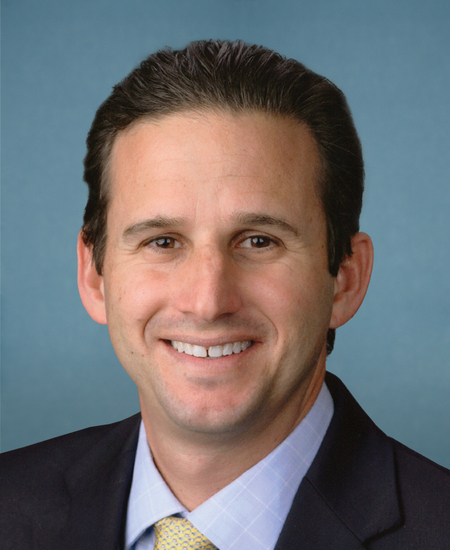
Brian Schatz
62% support rate
Top opponent
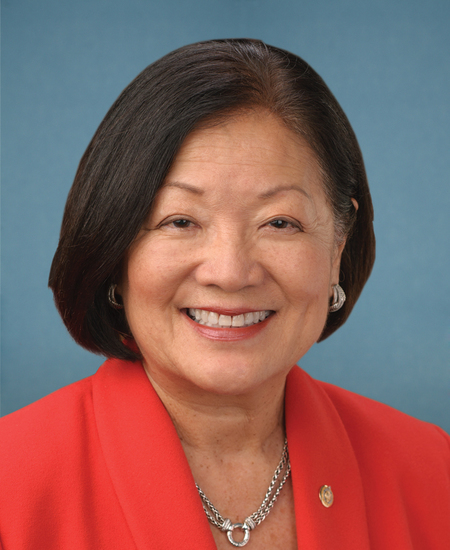
Mazie K. Hirono
38% support rate
Ranked legislators
4
3 support · 1 oppose
Key legislators

Who's moving labor & employment in Hawaii

Legislators moving labor & employment in Hawaii
Legislator Party Stance Support rate Votes
Brian Schatz
Brian Schatz Senate
D
Support
62% 213
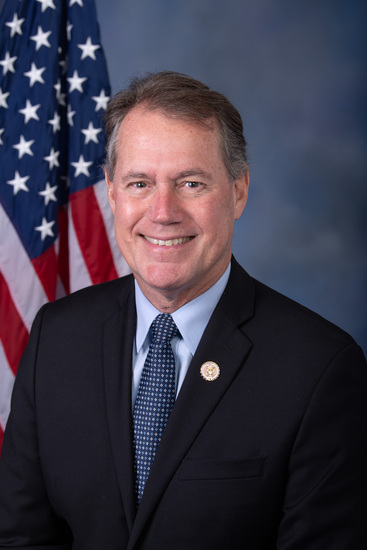
Ed Case
Ed Case House · District 1
D
Support
62% 197
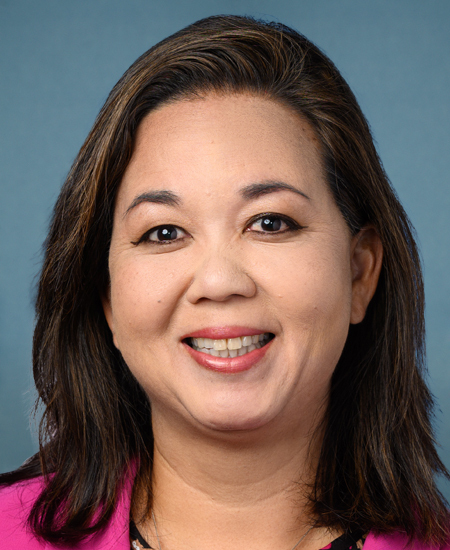
Jill N. Tokuda
Jill N. Tokuda House · District 2
D
Support
62% 198
Mazie K. Hirono
Mazie K. Hirono Senate
D
Oppose
38% 213
Showing 1–10 of 191 bills

All labor & employment bills

in committee · United States · Senate Jul 30, 2026

S 5190: Restoring Justice for Workers Act

The Restoring Justice for Workers Act prohibits employers from requiring workers to sign agreements that force them to resolve disputes through individual arbitration rather than in court or as part of a group. It bans retaliation against employees who refuse to arbitrate and mandates that any post-dispute arbitration agreements be truly voluntary, requiring plain language explanations, a 45-day waiting period, and written consent. The bill also amends the National Labor Relations Act to make it illegal for employers to enter into or enforce contracts that prevent workers from joining together to file joint or class-action lawsuits regarding workplace rights. These changes apply to all workers, including independent contractors, and take effect immediately upon enactment.
in committee · United States · Senate Jul 29, 2026

S 5168: Comprehensive Paid Leave for Federal Employees Act

This bill expands paid family and medical leave benefits for a wide range of federal workers, including those in the Executive Office of the President, the Postal Service, and the District of Columbia courts. It primarily increases the amount of paid leave available for specific events, such as the birth or adoption of a child, by allowing employees to take up to 26 workweeks of leave in total, which includes a separate 12-week portion for other family and medical needs. The legislation also clarifies that leave for adoption can begin before the child is placed with the family to support necessary pre-placement activities. Additionally, it updates the rules for various federal agencies to ensure their leave programs align with these new standards and covers employees who might have previously received different types of paid leave under separate laws.
Sub-Topics Paid Leave
in committee · United States · Senate Jul 30, 2026

S 5189: A bill to amend title 10, United States Code, and the National Defense Authorization Act for Fiscal Year 1994, to codify and clarify gender neutral standards for members of certain Armed Forces, and for other purposes.

This bill updates federal laws to ensure that members of the Army, Navy, Marine Corps, Air Force, and Space Force cannot be excluded from jobs or assignments based on their gender. It requires the Department of Defense to establish occupational standards using scientifically rigorous methods that evaluate technical, tactical, cognitive, and physical abilities without gender bias. Additionally, the legislation mandates annual reports to Congress detailing any involuntary reclassifications or separations and requires a detailed review of the operational effectiveness of Army and Marine Corps ground combat units. These changes are scheduled to take effect on September 30, 2026, with the first required report due the following year.
in committee · United States · House Jul 23, 2026

HR 9908: Rural Hospital Cybersecurity Enhancement Act

The Rural Hospital Cybersecurity Enhancement Act directs the Department of Health and Human Services to create a workforce development plan aimed at training cybersecurity professionals specifically for rural hospitals. This strategy requires the Secretary to consult with various federal agencies and healthcare representatives while focusing on partnerships, curriculum development, and identifying local security challenges. Additionally, the bill mandates the publication of free instructional materials and an awareness campaign to help rural hospital staff learn fundamental cybersecurity skills. The legislation does not authorize any new funding, relying instead on existing resources to implement these training and educational initiatives.
Sub-Topics Hospitals Workforce Development Tags Cybersecurity Rural Communities
in committee · United States · House Jul 13, 2026

HRES 1427: Expressing support for the designation of July 10th as Journeyman Lineworkers Recognition Day.

This resolution expresses support for designating July 10th as Journeyman Lineworkers Recognition Day to honor the workers who maintain the nation's electrical grid. The bill specifically recognizes the dangerous conditions these employees face, such as working at heights near live power lines and responding to disasters like hurricanes and wildfires. It also commemorates Henry Miller, the first president of the International Brotherhood of Electrical Workers, who died on July 10, 1896, while performing his duties. Ultimately, the measure encourages the public to observe this day with reflection on the contributions of lineworkers.
Sub-Topics Apprenticeships
in committee · United States · Senate Jul 21, 2026

SCONRES 36: A concurrent resolution recognizing the significance of equal pay and the disparity in wages paid to men and to Black women.

This concurrent resolution formally recognizes the significant wage gap between Black women and white, non-Hispanic men in the United States. The document cites data showing that Black women earn roughly 65 cents for every dollar earned by white men and highlights how this disparity impacts their ability to support families and accumulate wealth. By referencing existing laws like the Equal Pay Act and the Civil Rights Act, the bill reaffirms Congress's support for equal pay for equal work without proposing new legislation or policy changes. Ultimately, the measure serves as a symbolic acknowledgment of the economic challenges faced by Black women due to dual discrimination based on race and gender.
in committee · United States · House Jul 14, 2026

HR 9673: MARA Act of 2026

The MARA Act of 2026 establishes a new Office of Aquaculture within NOAA to oversee and promote commercial-scale offshore aquaculture projects in U.S. waters. This bill authorizes the issuance of permits for demonstration projects that must use native species, adhere to strict environmental safety standards, and minimize impacts on existing fishing and navigation. To support industry growth, the legislation creates funding for workforce training programs, establishes Aquaculture Centers of Excellence at specific universities, and mandates a unified permitting process to streamline federal approvals. Additionally, the act requires comprehensive studies and reports to assess the long-term environmental viability, economic benefits, and regulatory effectiveness of offshore aquaculture operations.
in committee · United States · Senate Jun 18, 2026

S 4831: Stop Spying Bosses Act

The Stop Spying Bosses Act establishes new federal rules to limit how employers collect, use, and share employee data, primarily affecting businesses with at least 11 workers and their employees. It prohibits employers from gathering sensitive information such as biometric scans, off-duty activities, or political views unless the data is strictly necessary for specific job functions like ensuring safety or administering benefits. The law requires employers to clearly disclose what data they collect and how it influences decisions about hiring, firing, or promotions, while also granting workers the right to access and correct their own records. To enforce these standards, the bill creates a new Worker Protection and Technology Division within the Department of Labor, which will investigate violations and provide whistleblower protections against retaliation. Additionally, the legislation invalidates pre-dispute arbitration agreements that would stop workers from joining class-action lawsuits regarding privacy violations.
Sub-Topics Workplace Safety
in committee · United States · Senate Jun 18, 2026

S 4833: No Robot Bosses Act

The No Robot Bosses Act prevents employers from relying predominantly on automated systems to make hiring, firing, or other employment decisions, while also requiring these systems to be transparent about how they evaluate workers. Companies using such technology must disclose how the system works, train their staff on potential biases, and allow employees to opt out of having their applications or management handled by algorithms. The bill mandates that developers and employers conduct detailed pre-deployment evaluations and annual impact assessments to ensure these tools do not discriminate or harm workers' rights. A new Fairness and Transparency Office within the Department of Labor will oversee compliance, investigate violations, and enforce penalties that include substantial fines and protections against retaliation for whistleblowers.
Sub-Topics Labor Standards
in committee · United States · Senate Jun 24, 2026

S 4919: Wage Theft Prevention and Wage Recovery Act

The Wage Theft Prevention and Wage Recovery Act aims to combat unpaid wages by strengthening penalties, improving worker protections, and funding community enforcement efforts. It directly affects employers who may underpay workers and employees who face wage theft, particularly low-wage workers, immigrants, and minorities. Key provisions require employers to provide detailed pay stubs and final payments within 14 days of termination, while also granting workers the right to full compensation as agreed in employment contracts. The bill increases civil fines and criminal penalties for violations, extends the time limit for filing wage claims, and establishes a grant program to support partnerships between the Department of Labor and community organizations.
Sub-Topics Labor Standards
Showing 1 to 10 of 191 bills
1 2 3 20 Next