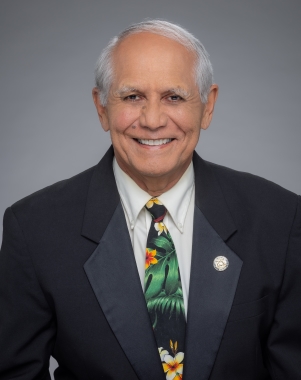
This Senate Concurrent Resolution encourages Hawaii state agencies to prioritize the security and resilience of critical infrastructure systems such as communications, energy, water, and food supply. It directs agencies to reduce dependence on imported goods and minimize exposure to foreign influence, supply disruptions, and cybersecurity risks. The resolution requests that all state plans and decisions consider infrastructure security and resilience, particularly given Hawaii's geographic isolation and reliance on global supply chains. It does not create new laws or funding but serves as a formal expression of legislative intent to guide state agency priorities.
This Senate Concurrent Resolution formally acknowledges the public health risks associated with air pollution from internal combustion engine vehicles in Hawaii. It highlights that traffic-related pollution disproportionately affects communities near major roadways, particularly impacting children, older adults, and lower-income populations. The resolution affirms the state's commitment to transitioning toward cleaner transportation options to improve air quality and protect public health. As a symbolic measure, it does not create new laws or funding but serves to recognize these issues and direct copies to relevant state officials.
This bill is a non-binding resolution that urges Hawaii's Department of Education and Board of Education to create a plan for transitioning school buses to electric vehicles. It directs these agencies to collaborate with districts that have already made the switch, such as Oakland, to study potential benefits like reduced emissions, lower maintenance costs, and improved student safety. The resolution requires a report with findings and recommendations to be submitted to the Legislature by late 2027.
This bill establishes a Legislative Task Force on Hawaii's Future Energy Pathways to study strategies for transitioning the state's energy system over the next three decades. The task force will examine how to reduce electricity costs for residents and businesses while minimizing risks to ratepayers and meeting Hawaii's legal goal of 100% renewable energy by 2045. Members will review options for integrating renewable resources like solar and wind, evaluate potential fossil fuel investments, and learn from other states' energy transitions. The committee will include representatives from the House energy committee, the Senate, and the Hawaii State Energy Office to coordinate their findings and recommendations.
This bill urges state agencies to form a working group to explore ways to protect Hawaii residents from rising insurance costs and reduced coverage due to climate change. The group would assess the state's exposure to extreme weather, identify existing recovery options, and analyze legal strategies to seek financial recovery from fossil fuel companies accused of contributing to climate disasters. Key members would include the Insurance Commissioner, Attorney General, and representatives from relevant government agencies and insurance associations. The working group is expected to submit its findings and recommendations to state committees by early 2027, with the group dissolving by June 2027.
This House Resolution asks Hawaii's Board of Education and Department of Education to create a working group that will design a Climate Literacy Seal of Excellence for public school students. The proposed working group would include educators, university experts, industry representatives, and student members to develop a framework for recognizing students who complete advanced coursework and hands-on projects focused on climate science and sustainability. The group is tasked with outlining course requirements, certification criteria, and a timeline for implementation, with final recommendations due to the Legislature by early 2027. This resolution is a procedural step that initiates planning rather than immediately changing policy or funding.
This Senate Concurrent Resolution urges Hawaii state agencies to form a working group to explore ways to protect residents from climate change impacts on insurance availability and costs. The bill directs the Insurance Division and Attorney General to assess insurance exposure to extreme weather, identify recovery mechanisms, and analyze legal options to seek financial recovery from responsible parties like fossil fuel companies. The proposed working group would include state officials, legislators, and representatives from insurance and relief funds to develop practical solutions for maintaining affordable property coverage.
This Senate Concurrent Resolution asks the Hawaii Department of Transportation to work with utility companies to create a statewide plan for fixing or removing old and unsafe utility poles and lines along highways like Farrington Highway. The bill directs officials to assess infrastructure risks, prioritize areas with high traffic or wildfire danger, and establish clear processes for maintenance and funding. It requires the Department of Transportation to report its findings and recommendations to the Legislature by early 2027. This resolution does not mandate immediate spending or construction, but rather initiates a planning process to improve public safety and clarify responsibilities for aging utility infrastructure.
This Senate Resolution requests the Hawaii Public Utilities Commission to conduct an independent analysis of energy strategies that reduce costs and financial risks for residents while meeting state goals. The bill directs the commission to evaluate various options through 2055, including renewable energy and long-duration storage technologies, without limiting the scope to specific fuel types or pre-set assumptions. The analysis aims to compare different approaches to energy generation and storage to inform future planning and ensure decisions benefit the public interest.
This House Concurrent Resolution requests the Hawaii Public Utilities Commission to conduct an independent, comprehensive analysis of energy options that could reduce costs and financial risks for residents while meeting the state's renewable energy goals. The bill asks the commission to evaluate various strategies, including renewable energy and storage technologies, through 2055 and consider long-term impacts beyond the 2045 renewable energy deadline. The resolution directs the commission to engage external experts to ensure the analysis is objective and thoroughly examines different pathways for energy generation and storage. This measure focuses on informing future state and utility planning decisions rather than mandating specific actions or outcomes.