

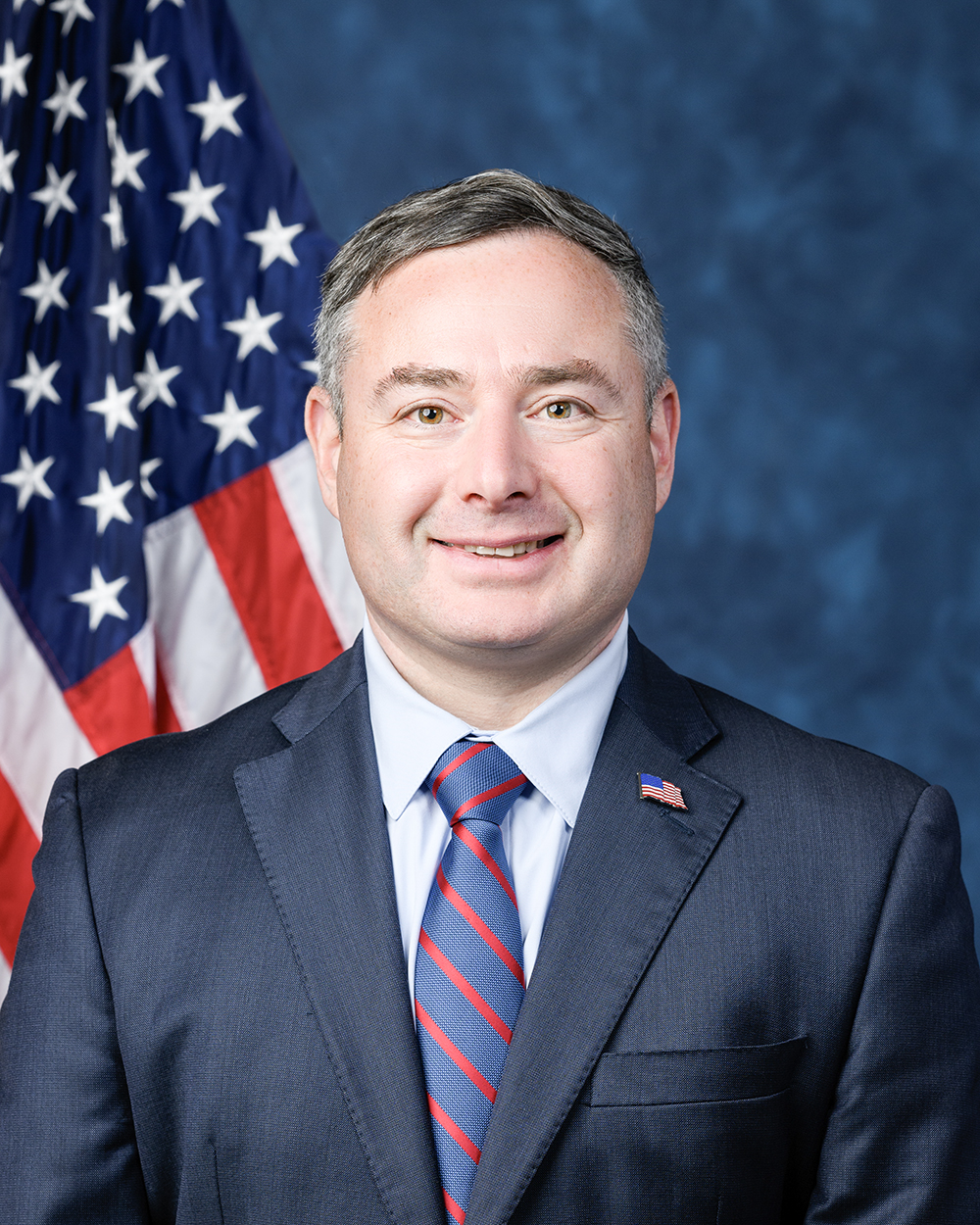
Photo of Eugene Simon Vindman
D United States House · District 7 · Virginia On the 2026 ballot

Rep. Eugene Simon Vindman

Compare
Total votes
650
all sessions
Attendance
99%
5 missed
Higher than 80% of chamber peers
With party
91%
of cast votes
Lower than 93% of chamber peers
Bipartisan score
5%
crosses aisle rarely
Higher than 92% of chamber peers
Sponsored
1,089
bills & resolutions
Higher than 98% of chamber peers
Committees
6
assignments
1,089 bills and resolutions

Sponsored bills

Total
1,089
Primary
69
Co-sponsor
1,020
This page
1,089
matching current filters
Co-sponsor HR 1201
In committee · Georgia House · Co-sponsor
Doctors in our Borders Act

Doctors in our Borders Act This bill increases the number of Conrad 30 waivers available each year from 30 to 100. Typically, a J-1 visa holder (nonimmigrant exchange visitor) must leave the United States for two years after finishing the exchange visitor program, including J-1 visa holders who entered the United States to receive graduate medical training. The Conrad 30 waiver program waives this requirement for eligible foreign medical graduates who agree to practice medicine in an underserved area or for an underserved population in the United States.

In committee Feb 11, 2025 1 co-sponsor
Co-sponsor HR 1200
In committee · Georgia House · Co-sponsor
Freight RAILCAR Act of 2025

Maddy summaryThis bill creates a 10% tax credit for businesses that modernize or replace freight railcars, directly affecting railcar owners and manufacturers. To qualify, railcars must meet an 8% improvement standard in capacity or fuel efficiency, be built or modernized after enactment, and replace two scrapped railcars. The credit is limited to 1,000 qualified railcars per business annually, with reporting requirements for the Treasury to track claimed credits, scrapped railcars, and new railcar production. The credit applies to railcars placed in service after December 2024, ending three years after enactment.

In committee Feb 11, 2025 1 co-sponsor
Co-sponsor HR 1218
In committee · Georgia House · Co-sponsor
SHIELD Act of 2025

Maddy summaryThis bill prohibits non-consensual distribution of intimate images (like photos showing genitals or sexual activity) created in private settings without the subject's consent, if the distribution causes psychological, financial, or reputational harm. It specifically bans sharing nude images of minors with abusive intent. Exceptions cover law enforcement, journalism, medical use, and legal proceedings. Violations carry up to 2 years in prison for non-consensual adult images or 3 years for minor-related offenses.

In committee Feb 11, 2025 1 co-sponsor
Co-sponsor HR 1189
In committee · Georgia House · Co-sponsor
National Plan for Epilepsy Act

Maddy summaryHR 1189, the National Plan for Epilepsy Act, creates a coordinated federal strategy to address epilepsy through a National Plan for Epilepsy. The plan requires the Secretary of Health and Human Services to establish an annual assessment, maintain a diverse Advisory Council (including people with epilepsy, caregivers, and experts), and coordinate research and care across federal agencies. Key provisions include annual progress reports to Congress, data sharing between agencies, and recommendations to improve diagnosis, treatment access, and reduce epilepsy-related disparities. The plan expires December 31, 2035, and directly affects the estimated 3.4 million people in the U.S. living with epilepsy and their caregivers.

In committee Feb 11, 2025 1 co-sponsor
Co-sponsor HR 1219
In committee · Georgia House · Co-sponsor
Oral Health Products Inclusion Act

Maddy summaryThis bill expands tax-advantaged health accounts to cover specific oral care products. It adds toothbrushes (manual or electric), water flossers, and over-the-counter antiplaque/anticaries drugs (like certain mouthwashes or gels) to the list of qualified medical expenses for Health Savings Accounts (HSAs), Archer MSAs, and health flexible spending accounts (FSAs). The change allows people to use pre-tax dollars from these accounts to pay for these common oral healthcare products, directly affecting individuals managing their dental care costs through such accounts. The bill amends existing tax code provisions to include these items under "qualified medical expenses" without creating new government programs.

In committee Feb 11, 2025 1 co-sponsor
Co-sponsor HR 1212
In committee · Georgia House · Co-sponsor
Countering Online Radicalization and Terrorism Act

Maddy summaryHR 1212 requires the Department of Homeland Security (DHS) to annually assess terrorism threats from terrorist groups using foreign messaging apps like Telegram, WeChat, and Weibo. The assessments must analyze how these apps facilitate radicalization, funding, and recruitment, while ensuring compliance with privacy and civil liberties laws. DHS must share findings with Congress and state/local fusion centers, and post unclassified reports publicly. This is a procedural bill focused on monitoring and reporting threats, not on banning apps or changing policies.

In committee Feb 11, 2025 1 co-sponsor
Co-sponsor HR 1101
In committee · Georgia House · Co-sponsor
Taxpayer Data Protection Act

Maddy summaryThis bill restricts access to Treasury payment systems (including the Bureau of the Fiscal Service) to only Treasury employees with a "fully successful" performance rating and at least one year of civil service, or contractors/outsiders with security clearances, required privacy/cybersecurity training, ethics agreements, and no conflicts of interest. It treats non-government users accessing these systems as government employees for ethics rules and defines specific actions (like stopping payments) as "personal and substantial participation" in government matters. The Treasury Inspector General must investigate any unauthorized access within 30 days and report to Congress, detailing the breach, security risks, and any halted payments. The bill directly affects Treasury staff, contractors, and any external entities accessing federal payment systems.

In committee Feb 11, 2025 1 co-sponsor
Co-sponsor HR 220
In committee · Georgia House · Co-sponsor
Veterans Infertility Treatment Act of 2025

Maddy summaryThis proposed bill (HR 220) would expand VA healthcare benefits to cover infertility treatments like in vitro fertilization (IVF) and fertility preservation services for veterans with infertility or at risk of infertility (e.g., due to medical treatments), and their partners. It limits VA coverage to three successful IVF cycles or ten attempts, requires consent from veterans, partners, and donors, and allows use of donated eggs or embryos. Partners would receive travel reimbursement as if they were veterans, and temporary rules during implementation will immediately allow partners to access care without marriage requirements. The bill clarifies VA isn’t required to cover maternity care beyond existing rules and defers full implementation until VA issues final regulations within one year of enactment.

In committee Feb 11, 2025 1 co-sponsor
Co-sponsor HR 219
In committee · Georgia House · Co-sponsor
Improving Menopause Care for Veterans Act of 2025

Maddy summaryThis bill requires the Comptroller General to study and report on menopause care provided by the Department of Veterans Affairs (VA) to women veterans experiencing perimenopause, menopause, or genitourinary syndrome of menopause. The study will examine current VA protocols for diagnosis, treatment, provider training, veteran access to care, outreach efforts, and quality of care, including veteran feedback. The VA Secretary must then develop a strategic plan within six months of the report's release to improve menopause care access and quality for women veterans under VA healthcare programs.

In committee Feb 11, 2025 1 co-sponsor
Co-sponsor HR 1153
In committee · Georgia House · Co-sponsor
Rural Physician Workforce Production Act of 2025

Maddy summaryHR 1153, the Rural Physician Workforce Production Act of 2025, provides additional Medicare payments to hospitals training medical residents in rural areas to address physician shortages. Hospitals can receive payments equal to the difference between rural training costs (based on 2015 GAO data adjusted for inflation) and standard graduate medical education payments, for residents spending at least 8 weeks in rural settings. It specifically supports hospitals with residency programs where over 50% of training occurs in rural locations, regardless of specialty or training site. This bill directly affects eligible hospitals, including critical access and rural emergency hospitals, by incentivizing rural physician training through updated Medicare funding mechanisms.

In committee Feb 10, 2025 1 co-sponsor
Showing 1,011 to 1,020 of 1,089 bills