Issue · Budget & Taxes

Budget & Taxes

Every budget & taxes bill, vote, and legislator stance in Georgia, automatically classified by Maddy, our AI policy reader.

Total bills
353
119th Congress
Top supporter
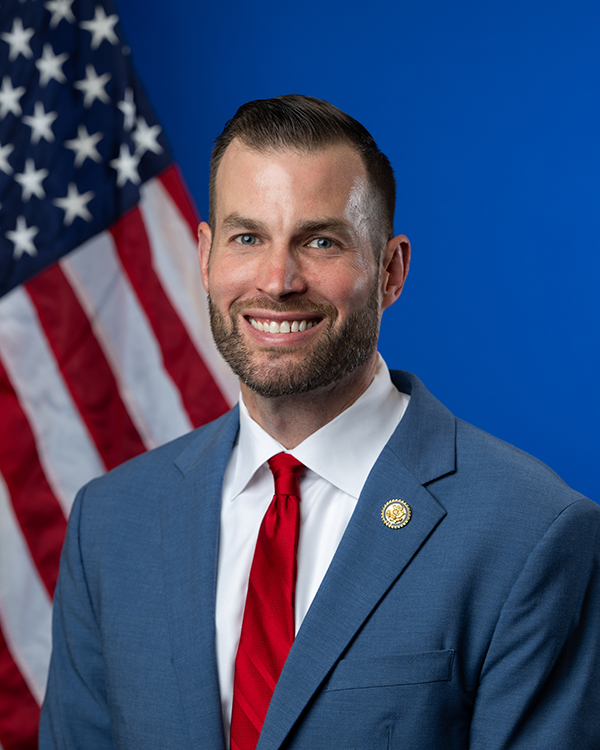
Clay Fuller
86% support rate
Top opponent
Lucy McBath
18% support rate
Ranked legislators
9
5 support · 4 oppose
Key legislators

Who's moving budget & taxes in Georgia

Legislators moving budget & taxes in Georgia
Legislator Party Stance Support rate Votes
Clay Fuller
Clay Fuller House · District 14
R
Strong +
86% 55
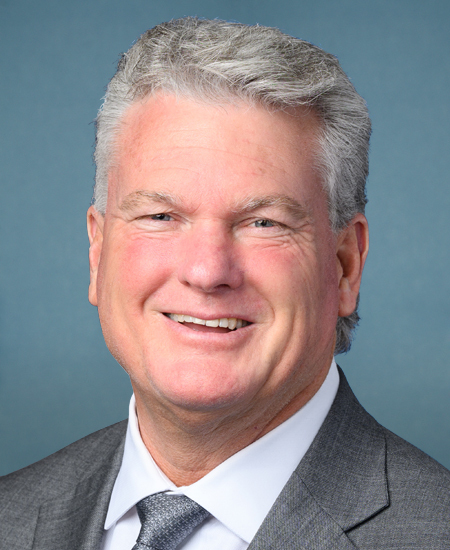
Mike Collins
Mike Collins House · District 10
R
Strong +
81% 186
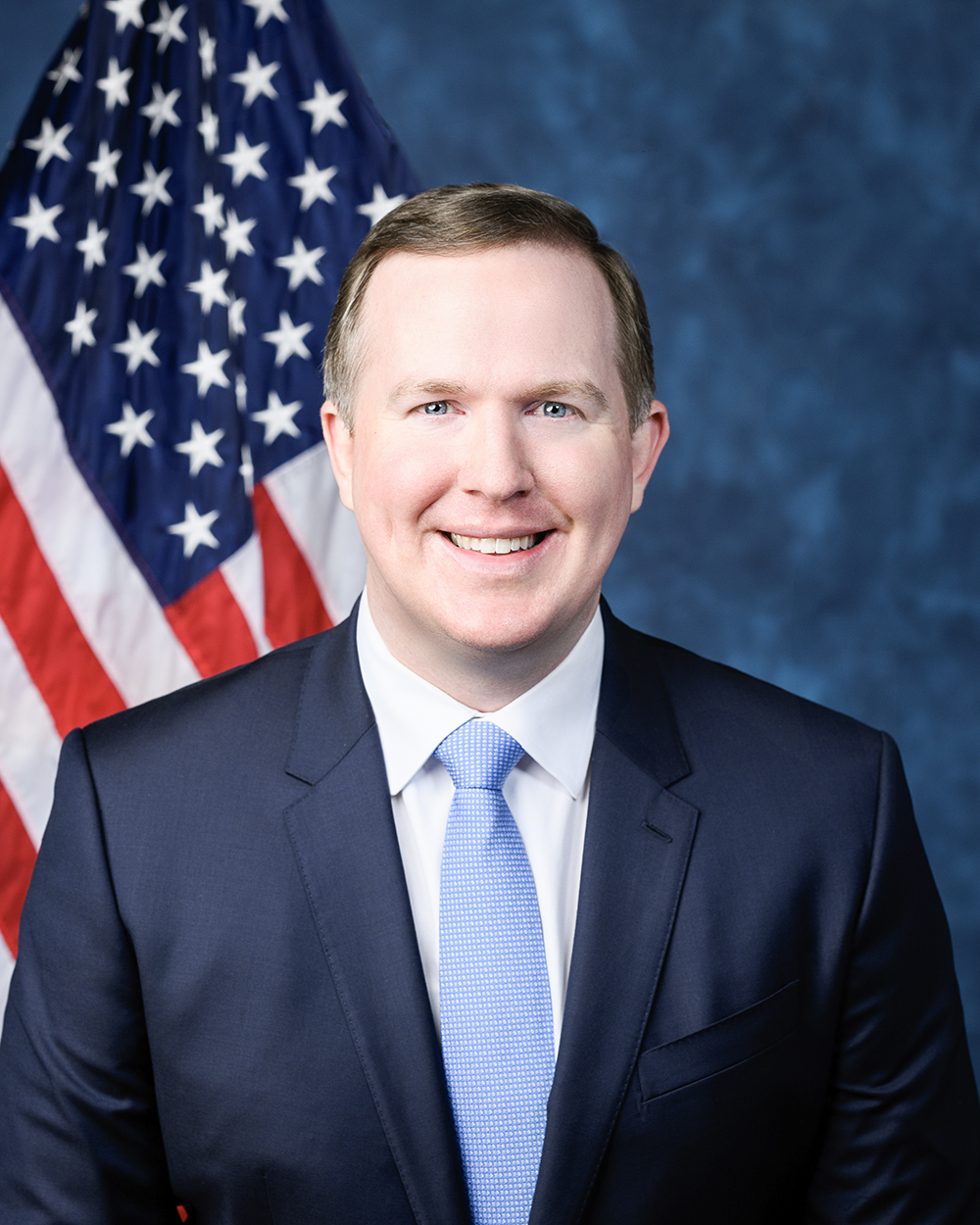
Brian Jack
Brian Jack House · District 3
R
Support
73% 186
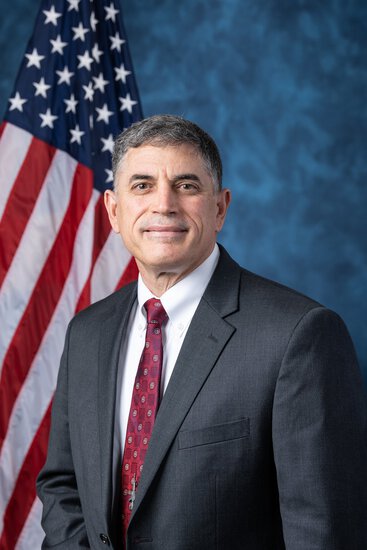
Andrew S. Clyde
Andrew S. Clyde House · District 9
R
Support
73% 166
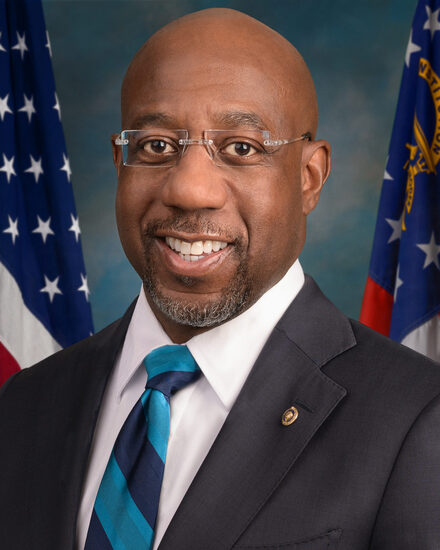
Raphael G. Warnock
Raphael G. Warnock Senate
D
Support
67% 273
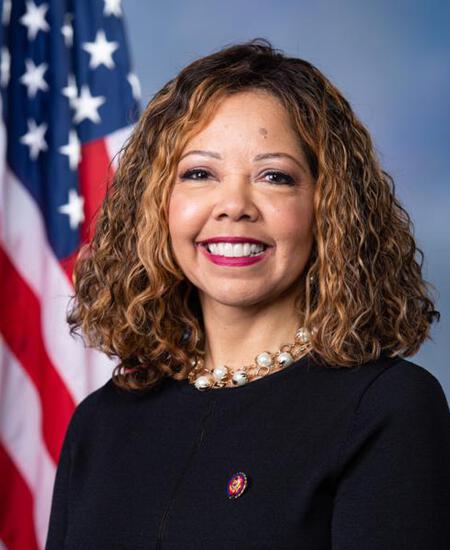
Lucy McBath
Lucy McBath House · District 6
D
Strong −
18% 179
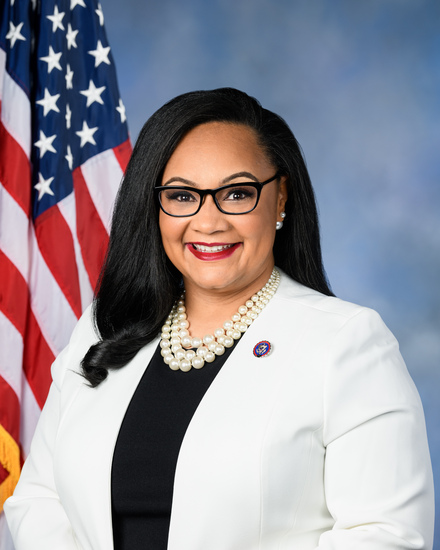
Nikema Williams
Nikema Williams House · District 5
D
Strong −
19% 178
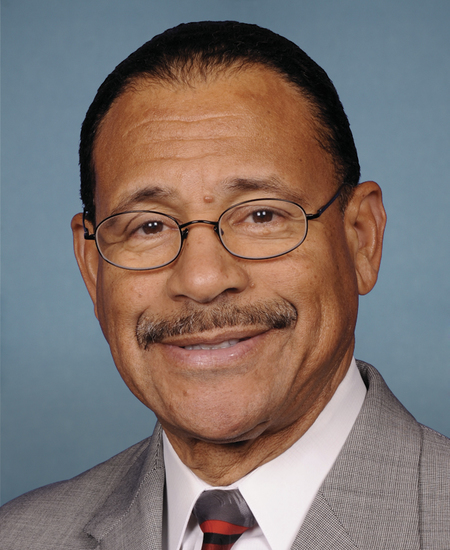
Sanford D. Bishop, Jr.
Sanford D. Bishop, Jr. House · District 2
D
Strong −
19% 186
Henry C. "Hank" Johnson, Jr.
Henry C. "Hank" Johnson, Jr. House · District 4
D
Oppose
21% 183
Showing 1–10 of 353 bills

All budget & taxes bills

in committee · United States · House Sep 10, 2026

HR 10327: Cost Estimates Improvement Act

The Cost Estimates Improvement Act requires the Congressional Budget Office and the Joint Committee on Taxation to include public debt servicing costs in their financial estimates, to the extent practicable. This change directly affects federal budgeting processes by ensuring that the interest payments on national debt are factored into official cost projections for new legislation. The bill amends the Congressional Budget and Impoundment Control Act of 1974 to mandate this specific inclusion in all future estimates prepared by these two bodies.
in committee · United States · House Sep 10, 2026

HR 10330: Higher Education Oversight for Nonprofits Ensuring Standards and Transparency Act

This bill establishes new procedural safeguards for the Internal Revenue Service when conducting tax inquiries or examinations of universities, requiring high-level Treasury approval based on reasonable belief that a university may not qualify for tax-exempt status. It mandates that the IRS provide written notice to the institution before beginning an inquiry and at least 15 days before starting a formal examination, offering the university the opportunity to hold a conference to discuss concerns. The legislation imposes strict time limits, requiring inquiries to be completed within 90 days and examinations within two years, while also restricting the ability to re-examine a university for five years if no significant tax issues are found. Additionally, it requires the Secretary of the Treasury to submit confidential reports to congressional committees detailing any new university tax investigations.
in committee · United States · House Aug 27, 2026

HR 10156: Better Jobs through Evidence and Innovation Act

The Better Jobs through Evidence and Innovation Act amends the Workforce Innovation and Opportunity Act to create a competitive grant program that funds innovative employment and training services. The bill directs federal resources toward initiatives that have demonstrated improvements in participant earnings and job placement, with specific attention to individuals facing barriers to employment and underserved communities such as rural areas. Eligible recipients include state and local workforce boards, tribal organizations, colleges, and nonprofit groups that design or implement these field-initiated programs. The legislation establishes a tiered funding structure based on the strength of existing evidence, offering early-phase grants for new pilots, mid-phase grants for refinement, and expansion grants for proven models. Grantees are required to partner with independent researchers to conduct rigorous impact evaluations, ensuring that at least 60 percent of each award is spent directly on program implementation rather than administrative costs. The bill authorizes appropriations for this initiative through fiscal year 2031.
in committee · United States · House Jun 30, 2026

HR 9540: Community Housing Act of 2026

The Community Housing Act of 2026 aims to increase the supply and affordability of housing by directing significant new federal funding to programs like the Housing Trust Fund and the Capital Magnet Fund. It establishes a new Office of Community Land Use and Zoning within HUD to help states and localities reform restrictive zoning laws that limit housing development. The bill also expands financial support for rural areas, creates a new fund to promote shared equity and community land trusts, and removes a legal cap on the number of public housing units agencies can manage. Additionally, it provides grants to protect tenants from eviction and authorizes low-cost financing options for affordable housing projects.
in committee · United States · House Jul 23, 2026

HR 9824: Daycare Not Detentions Act of 2026

The Daycare Not Detentions Act of 2026 provides additional funding to the Department of Health and Human Services to support child care programs, including the Child Care and Development Block Grant, Head Start, and preschool development grants. These funds are intended to help states and organizations cover necessary expenses for these programs through fiscal year 2029. The bill also rescinds $70 billion in previously allocated money for U.S. Customs and Border Protection and U.S. Immigration and Customs Enforcement that has not yet been spent. Overall, the legislation redirects federal resources toward early childhood education and care rather than immigration enforcement activities.
in committee · United States · House Jul 21, 2026

HR 9811: Anti-Fraud Fund Act of 2026

The Anti-Fraud Fund Act of 2026 increases funding for the Health Care Fraud and Abuse Control Account by $7 billion annually from fiscal year 2027 through 2030. This additional money is intended to support the government's efforts in detecting and preventing fraud within the healthcare system. The bill modifies existing laws to ensure these funds are available for the specified period without altering other spending limits.
in committee · United States · Senate Jul 16, 2026

S 5022: Cannabis Administration and Opportunity Act

The Cannabis Administration and Opportunity Act fundamentally changes federal law by removing marijuana from the Controlled Substances Act, effectively decriminalizing it at the federal level and allowing states to regulate their own cannabis markets without federal interference. To manage this new landscape, the bill creates a new federal agency called the Alcohol, Tobacco, and Cannabis Tax and Trade Bureau to oversee licensing, collect taxes, and prevent illicit trade, while also establishing a new Center for Cannabis Products within the FDA to regulate safety and labeling. The legislation includes significant restorative justice measures, such as automatically expunging federal cannabis convictions and prohibiting discrimination against individuals with such records in areas like immigration, security clearances, and access to federal benefits. Additionally, the bill provides billions of dollars in funding to support research into the health effects of cannabis, expand access to financial services for legitimate cannabis businesses, and assist communities and individuals harmed by past prohibition enforcement.
in committee · United States · House Jul 16, 2026

HR 9736: Stop CHEATERS Act

The Stop CHEATERS Act directs the Internal Revenue Service to increase its enforcement efforts against high-income individuals and large corporations by allocating billions of dollars in additional funding for tax audits, criminal investigations, and taxpayer services through fiscal year 2031. A significant portion of this funding is designated for modernizing the IRS's technology and business systems to improve its ability to detect fraud and noncompliance. The legislation also requires the IRS Commissioner to submit regular reports to Congress detailing plans to shift auditing resources toward wealthy taxpayers and analyzing how much unpaid tax is owed by different income groups.
in committee · United States · Senate Feb 9, 2026

S 2544: GUARD Act

The GUARD Act allows state, local, and tribal law enforcement agencies to use existing federal grant funds to investigate elder financial fraud (targeting elderly or disabled individuals), "pig butchering" scams (where victims are tricked into investing in fake crypto schemes), and general financial fraud. It requires agencies to hire specialized staff, use technology tools for tracking scams, and report annually on how funds were used and their impact on fraud statistics. The bill also mandates two key federal reports: one to Congress on scam trends and enforcement actions, and another detailing annual consumer losses and government spending on fraud prevention. These provisions aim to improve coordination between law enforcement, financial institutions, and federal agencies to combat evolving fraud schemes.
Sub-Topics Law Enforcement
in committee · United States · House Jul 22, 2026

HR 9720: D.C. Taxing Authority Review Act

This bill, known as the D.C. Taxing Authority Review Act, modifies the rules for how new taxes and fees proposed by the District of Columbia government are reviewed by Congress. It requires that any D.C. law imposing or increasing a tax or fee must receive explicit approval from a joint resolution passed by both the House of Representatives and the Senate within 60 days, or else the law will not take effect. Additionally, the bill limits the time for debating these specific approval resolutions to one hour, split evenly between supporters and opponents. These changes directly affect the District of Columbia government's ability to enact new financial measures without prior congressional consent.
Showing 1 to 10 of 353 bills
1 2 3 36 Next