

Maddy summaryThis bill establishes a new Office for Civil Rights and Civil Liberties within the Department of Homeland Security, led by an Officer who reports directly to the department head. The Office is tasked with overseeing compliance with civil rights laws, reviewing potential abuses or profiling by employees, and integrating these protections into all department policies and programs. It grants the Officer authority to investigate complaints, issue public reports on findings, and coordinate with other officials to ensure diverse communities are engaged effectively. Additionally, the legislation requires each major department unit to have its own civil rights officer and mandates annual reporting to Congress on the Office's activities and progress.
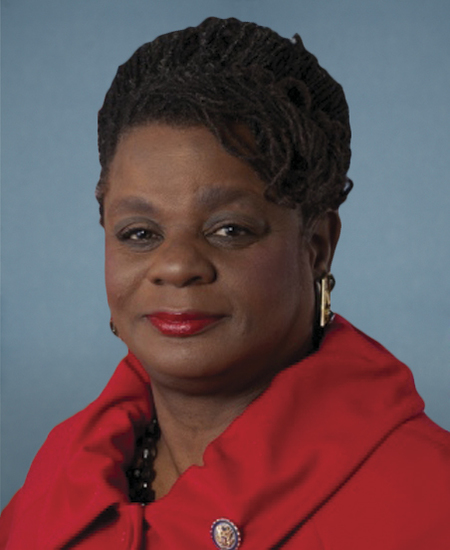
Rep. Gwen Moore
Sponsored bills
Maddy summaryThe LIFT the BAR Act aims to restore access to federal benefits for lawfully present noncitizens by repealing several restrictions imposed by the 1996 welfare reform law and a 2024 reconciliation bill. Specifically, it would allow eligible noncitizens to receive SNAP food assistance, Medicaid, CHIP, and child nutrition programs, while also updating legal terminology to refer to "noncitizens" rather than "aliens" in relevant statutes. The legislation includes provisions to ensure these individuals can qualify for premium tax credits and would require federal agencies to issue implementation guidance within 180 days of enactment.
Maddy summaryThe Haitian Refugee Immigration Fairness Act of 2026 allows nationals of Haiti and their immediate family members who have lived continuously in the United States since June 26, 2024, to apply for permanent resident status. To qualify, applicants must submit their request within three years of the bill's enactment and generally cannot have been convicted of aggravated felonies, multiple crimes of moral turpitude, or acts of persecution. The bill also permits eligible individuals with existing deportation orders to apply without first overturning those orders and grants them work authorization while their applications are pending. Additionally, the legislation ensures that granting permanent residence to these applicants does not reduce the number of available immigrant visas for other categories.
Maddy summaryThe GRACE for Military Survivors Act extends the deadline for contributing military death benefits to Roth IRAs and Coverdell education savings accounts from one year to three years. This change directly benefits families of service members who receive these death benefits, giving them more time to save for retirement or education. The law applies to benefits received after the bill is enacted and includes a special rule allowing contributions made within a specific window for benefits received between 2001 and the enactment date. By amending the Internal Revenue Code, the bill ensures that eligible funds can be deposited into these tax-advantaged accounts without losing their value due to time limits.
Maddy summaryThis bill authorizes the presentation of Congressional Gold Medals to the four crew members of the Artemis II mission to recognize their historic achievement in advancing human space exploration. The legislation directs the Speaker of the House and the President pro tempore of the Senate to arrange for the medals, which will feature the faces of the astronauts and be struck by the Secretary of the Treasury. In addition to the gold medals, the bill permits the minting and sale of duplicate bronze versions to help cover production costs, with any proceeds returned to the United States Mint Public Enterprise Fund.
Maddy summaryThis bill redesignates the existing National Parks and Public Land Legacy Restoration Fund as the America's Legacy Restoration Fund to address deferred maintenance on federal lands. It directs revenue from recreation fees and a portion of energy development income into the fund, which must be used primarily for repairing critical infrastructure like roads, trails, and buildings managed by agencies such as the National Park Service and the Forest Service. The legislation establishes strict rules requiring that most funds go toward non-transportation projects, mandates transparency through public dashboards tracking project status, and sets aside a small percentage for matching private donations. Additionally, the bill increases entrance fees for foreign visitors to ensure they contribute to the fund, while prohibiting the use of these specific funds for land acquisition or employee bonuses.
Maddy summaryThe Pell Grant Preservation and Expansion Act of 2026 aims to increase financial aid for college students by raising the maximum Pell Grant amount to $15,000 by the 2031-2032 award year and ensuring the program is fully funded through mandatory spending rather than annual appropriations. The bill also expands eligibility for students who receive means-tested government benefits by automatically assigning them a lower financial need score, while simultaneously allowing Dreamer students - undocumented immigrants who meet specific criteria such as graduating high school or serving in the military - to qualify for federal aid. Additional provisions restore the total number of semesters a student can receive Pell Grants from 12 to 18 and adjust the rules for satisfactory academic progress to reduce penalties for students who struggle to meet grade requirements. Finally, the legislation restores Pell Grant eligibility for some students who previously received outside scholarships and sets the law's effective date for July 1, 2026.
Maddy summaryThe Latonya Reeves Freedom Act of 2026 strengthens the Americans with Disabilities Act to ensure individuals with long-term service and support needs have a federally protected right to live in their communities rather than institutions. It requires states and insurance providers to offer community-based services that allow people to maintain independence, control their own care, and access affordable, integrated housing. The bill mandates that public entities and insurers create enforceable transition plans to move people out of institutions, conduct self-evaluations to identify barriers, and establish clear grievance procedures for resolving complaints. Enforcement is handled by the Department of Justice, which can investigate violations, while individuals may also file civil lawsuits to seek damages or court orders preventing institutionalization.
Maddy summaryThe Small Business and Consumer Credit Act of 2026 changes how certain financial institutions can use tax losses to offset future profits. It allows these banks to carry forward net operating losses for up to 20 years, with additional rules allowing them to carry losses back to previous years starting in 2028. The law specifically applies to independent banks and certain affiliated groups, requiring them to make an irrevocable election on their tax returns to use these new provisions.
Maddy summaryThis joint resolution expresses Congress's disapproval of a specific federal rule issued by the Centers for Medicare & Medicaid Services regarding the Affordable Care Act and the Basic Health Program for 2027. If passed, the measure would legally nullify the rule, preventing it from taking effect. The bill directly impacts the administration of healthcare benefits and payment parameters for the upcoming year by rejecting the proposed guidelines.