

Maddy summaryHR 3420, the Words Matter Act of 2025, updates federal law to replace the terms "mentally retarded" and "mental retardation" with "intellectual disability" across numerous statutes. It amends over 20 provisions in laws governing healthcare (like the Social Security Act and Indian Health Care Improvement Act), disability services, criminal justice, and federal programs to use more respectful and current terminology. The bill specifically targets definitions in areas such as medical care for families, nursing home regulations, legal sentencing, and grant programs, ensuring consistent language for individuals with intellectual disabilities. The legislation explicitly states this terminology change is purely linguistic and does not alter eligibility, coverage, or rights for affected individuals.
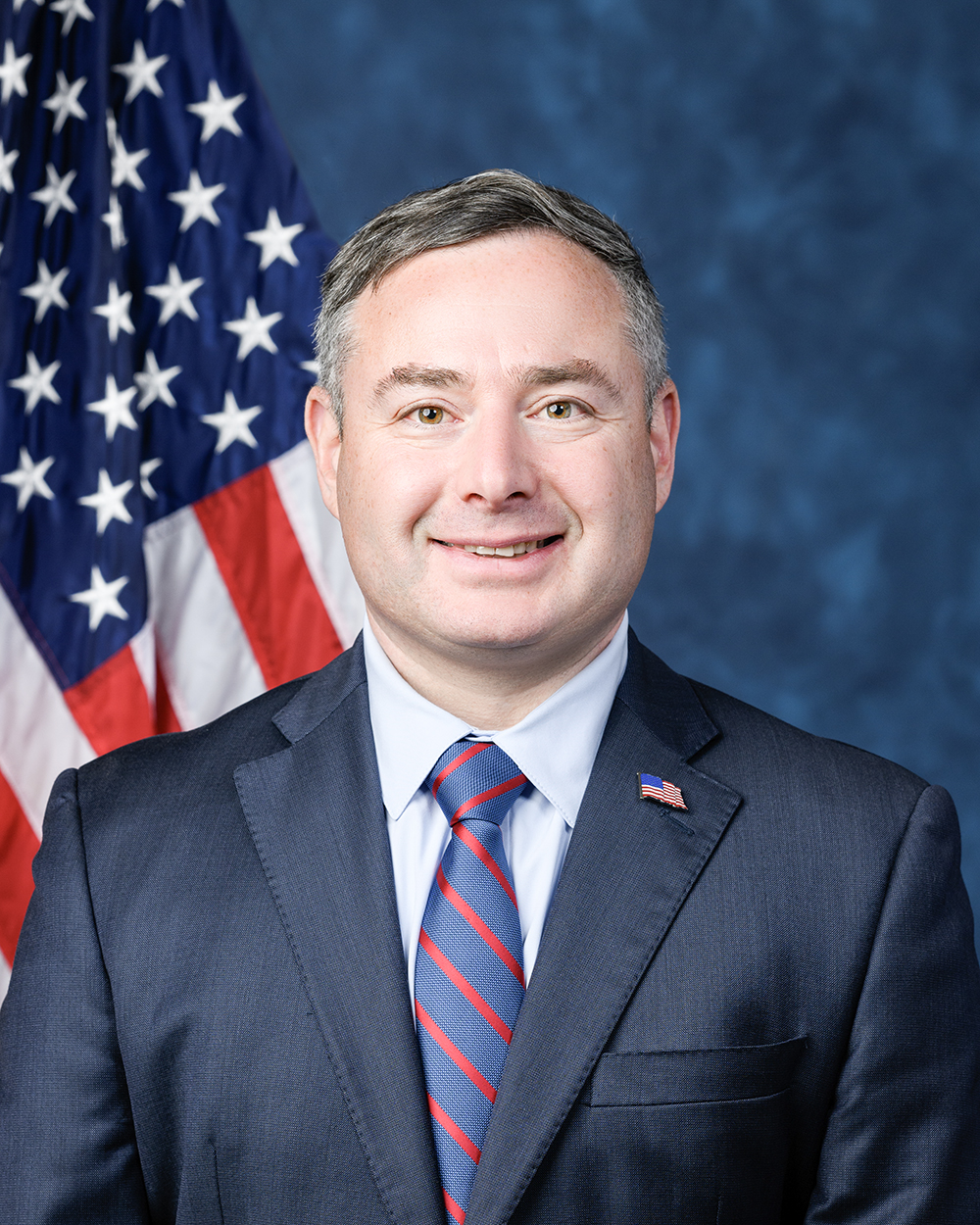
Rep. Eugene Simon Vindman
Sponsored bills
Love Lives On Act of 2025 This bill extends entitlement for various benefit programs and services for surviving spouses of deceased members of the Armed Forces or veterans. The bill provides that the remarriage of a surviving spouse must not bar the furnishing of dependency and indemnity compensation or special pension benefits to such spouse. Additionally, the Department of Defense may not terminate the payment of an annuity for a surviving spouse under the Survivor Benefit Plan solely because the surviving spouse remarries. The bill also expands the definition of a dependent under TRICARE to include a remarried widow or widower whose subsequent marriage has ended due to death, divorce, or annulment.
Maddy summaryThe Kira Johnson Act establishes a federal grant program to support community-based organizations in improving maternal health outcomes for populations facing higher rates of maternal mortality and health disparities. It allocates $100 million annually from 2027 to 2031 for grants that fund programs addressing social determinants of health, culturally congruent care, and support for midwifery practices. The bill also creates a separate $5 million annual funding stream for training all maternity care employees on bias reduction, trauma-informed care, and respectful service delivery. Additionally, the legislation requires hospitals and health systems to establish compliance programs that allow patients to report bias and mandates regular public reporting on these efforts. A study by the National Academies and ongoing evaluation by the GAO will assess the effectiveness of these initiatives in improving patient experiences and health outcomes for pregnant and postpartum individuals from racial and ethnic minority groups.
Maddy summaryThe Candis King Hope for Sickle Cell Families Act establishes a new data collection program to track the incidence, prevalence, and healthcare patterns of sickle cell disease across the United States. Funded through $10 million in annual grants from 2027 to 2031, the program directs the Centers for Disease Control and Prevention to award funding to states for gathering demographic and clinical information about sickle cell disease patients. The legislation also reinstates specific employees from the CDC's Division of Blood Disorders and Public Health Genomics who were removed in agency actions affecting 3 percent or more of the division's workforce within a 60-day period starting January 1, 2025.
Extending WIC for New Moms Act This bill amends the Special Supplemental Nutrition Program for Women, Infants, and Children (WIC) to extend the eligibility periods for breastfeeding and postpartum women. Specifically, a state program may elect to certify a breastfeeding woman for up to 24 months (currently 1 year) postpartum. The bill also expands the eligibility period for postpartum women to up to 24 months after termination of pregnancy (currently 6 months). The Department of Agriculture must submit a report to Congress evaluating the effect of these changes to the program on (1) maternal and infant health outcomes, (2) breastfeeding rates, and (3) qualitative evaluations of family experiences under WIC.
Maddy summaryThe DETECT Nitazenes Act of 2026 updates federal law to include nitazenes alongside fentanyl and xylazine as priority drugs for detection and identification efforts. This change expands the scope of the Homeland Security Act, directing federal agencies to enhance their capacity to detect and identify nitazenes at border crossings and other entry points. The bill does not create new criminal penalties or funding, but rather modifies existing statutory language to ensure nitazenes are treated with the same detection focus as other synthetic opioids.
Maddy summaryThis bill establishes a new Office of Small Farms within the USDA's farm production and conservation mission area to better serve small agricultural operations. It defines "small farm, ranch, or forest operation" as those under 180 acres or with less than $350,000 annual income, directly affecting these operators. Key provisions include creating a Director to coordinate USDA programs, reviewing barriers to participation, developing new initiatives (including $25,000 grants for repairs, land access, or conservation), and requiring State coordinators in each state to improve local program delivery. The bill authorizes $15 million annually for the Office's administration and $10 million for grants/technical assistance from 2027-2031, with annual reports to Congress on progress.
Maddy summaryThis bill amends the Food and Nutrition Act of 2008 to exempt veterans from work requirements when applying for SNAP (Supplemental Nutrition Assistance Program) benefits. It directly affects veterans who would otherwise face work requirements for SNAP eligibility. The key change adds "a veteran" as a specific exemption category in Section 6(o)(3), updating the existing list of exempt groups. This creates a clear, automatic exemption for veterans under current law, removing a barrier to accessing food assistance.
Maddy summaryHR 7251, the "Prohibit Partisan Park Passes Act," amends federal law to prevent the use of living political figures on National Park Service and federal recreational lands passes. The bill specifically prohibits including images of current or former elected officials or other living political figures on these passes. This change directly affects the National Park Service, which issues the passes, and ensures the design remains neutral. The law modifies existing regulations under the Federal Lands Recreation Enhancement Act to remove partisan imagery from these commonly used visitor passes.
Maddy summaryThe Energy Bills Relief Act aims to lower household energy costs and accelerate the development of low-cost, clean energy by modifying federal tax credits, expanding weatherization programs, and streamlining permitting processes. Key provisions include restoring tax incentives for renewable energy projects, increasing funding for low-income heating assistance, and requiring federal agencies to treat wind, solar, and storage projects with the same procedural fairness as oil and gas projects. The bill also establishes new incentives for upgrading the electricity grid, such as tax credits for transmission lines and grants for wildfire prevention measures, while creating mechanisms to ensure utilities serve public interests and protect consumers from price volatility.