

Maddy summaryThis bill reauthorizes and expands the Accelerating Access to Critical Therapies for ALS Act through 2031, extending funding for research into treatments for amyotrophic lateral sclerosis. It requires drug manufacturers to share interim clinical trial data with the FDA to better assess the progress of investigational drugs and clarifies that phase 3 clinical trial definitions include combined phase 2/3 trials and planned trials not yet enrolling participants. The legislation also mandates the FDA to publish an updated five-year action plan for ALS and other rare neurodegenerative diseases, including resource needs and coordination strategies with broader disease communities. Additionally, the bill requires the Government Accountability Office to submit a report on the program's implementation four years after enactment.
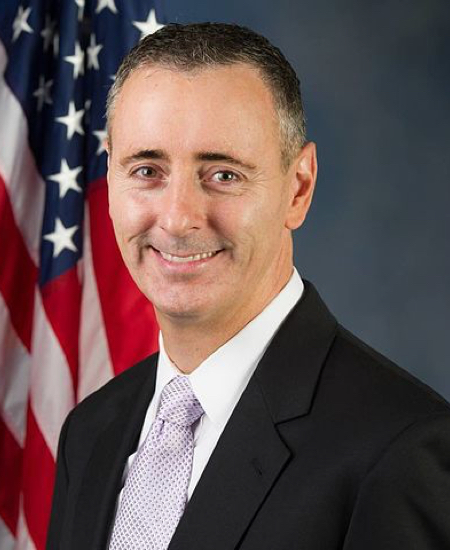
Rep. Brian K. Fitzpatrick
Sponsored bills
Maddy summaryThe Military Installation Readiness and Resilience Act of 2026 requires the Department of Defense to collect and expand data on how extreme weather and natural disasters impact military bases. Specifically, the Secretary of Defense must ensure that the Under Secretary of Defense for Acquisition and Sustainment gathers information on the costs and effects of these events at all installations. This provision aims to provide a comprehensive record of how climate-related incidents affect military infrastructure, enabling better tracking of damage and expenses. The bill directly affects the Department of Defense by mandating this specific data collection process.
Maddy summaryThis bill directs the Comptroller General to conduct a comprehensive review of indoor air quality, ventilation, and heating systems across all federal buildings and facilities. The assessment will examine how agencies monitor these systems, the frequency of identified problems, the qualifications of workers performing related maintenance, and the effectiveness of current oversight measures. Within 12 months of enactment, the Comptroller General must submit a report to Congress detailing findings and recommendations. If the report identifies significant deficiencies, affected federal agencies are required to submit corrective action plans to Congress within six months of the report's release.
Maddy summaryThe Affordable Housing Incentives Act allows property owners to avoid paying capital gains taxes when they sell real estate to qualified housing operators for use as affordable housing. To qualify, the property must be subject to a binding legal agreement that ensures it remains affordable or used as a homeless shelter for at least 30 years. The sale price cannot exceed the value determined by a professional appraisal, and the seller must notify the Treasury Department within 90 days of the transfer. The Treasury is required to audit these properties every five years to verify they continue to meet the affordability requirements throughout the 30-year period.
Maddy summaryThis bill creates a federal grant program to help mental health professionals work across state lines by supporting interstate agreements that allow licenses to be recognized in multiple states. The funding, totaling $4 million annually from 2026 to 2029, will go to state licensing boards and compact commissions to encourage counselors to practice in areas with these new agreements and to maintain the administrative systems that make them work. By simplifying the licensing process, the legislation aims to expand the availability of mental health services in states that have joined these mutual recognition programs.
Maddy summaryThis bill requires the Secretary of Defense to report on how quickly military members receive their electronic health records when leaving active duty. The report must cover a one-year period and include data on average wait times, the longest delays experienced, and reasons for any hold-ups. Following this report, the Defense Secretary must create new standards to ensure these records are delivered within a reasonable timeframe, a period to be determined based on the findings and feedback from service members and veterans. The legislation directly affects transitioning servicemembers by aiming to improve the timeliness of their medical record transfers.
Maddy summaryThe Tuskegee Airmen Memorial Act of 2026 authorizes the organization Tuskegee Airmen, Inc. to build a commemorative monument on federal land in Washington, D.C., honoring the original Tuskegee Airmen who served in World War II. This legislation allows the group to accept private donations and cover all costs for the project without using federal funds, while requiring any leftover money to be deposited into specific government accounts. The bill also mandates that the memorial be constructed in compliance with existing federal standards for commemorative works.
Maddy summaryThe Public Safety Officers' Benefits Enhancement Act of 2026 modifies how public safety officers can claim federal benefits related to line-of-duty injuries. It simplifies the claims process by removing a requirement that injuries must be caused by factors other than pre-existing cardiovascular risks and extends the time limit for reporting certain incidents from 24 to 72 hours. These changes apply to any benefit claims that are pending or filed after the law is enacted. The bill directly affects public safety officers seeking compensation for work-related injuries.
Maddy summaryThe 988 Lifeline Location Improvement Act of 2026 directs the Federal Communications Commission to study how to require callers to the 988 Suicide and Crisis Lifeline to send their precise location information to emergency responders. This requirement would primarily affect telecommunications companies, 911 service providers, and crisis centers that currently handle calls from users who may not be able to verbally state their address. The bill also asks the Government Accountability Office to produce a report on the legal, technical, and financial challenges of implementing such a system, including considerations for privacy and accessibility for users with hearing loss. By mandating these studies, the legislation aims to gather necessary data before deciding on a policy to ensure callers can be routed to local help more effectively.
Maddy summaryThis bill reauthorizes and updates the American Battlefield Protection Program through 2036, extending funding for battlefield preservation grants. It increases the maximum grant percentage for battlefield interpretation projects from 50% to 75% and sets $2 million annually for battlefield restoration grants through 2036. The bill also requires the National Park Service to study French and Indian War (1754-1763) and Mexican-American War (1846-1848) sites across the U.S., assessing their significance, threats, and preservation options. These studies must involve state governors, tribal governments, local officials, and historic preservation groups, with a final report due to Congress within two years of funding. The program directly affects federal, state, tribal, and local entities managing historic battlefields.