

Maddy summaryThis resolution commemorates the 61st anniversary of the Medicare program, which was enacted in 1965 to provide health insurance for seniors and individuals with disabilities. It acknowledges the program's role in covering approximately 70 million Americans and highlights its growth from 19 million beneficiaries in 1966 to its current scale. The text honors the contributions of healthcare providers, caregivers, and government personnel who maintain the system while recognizing the program's impact on healthcare access and financial security.
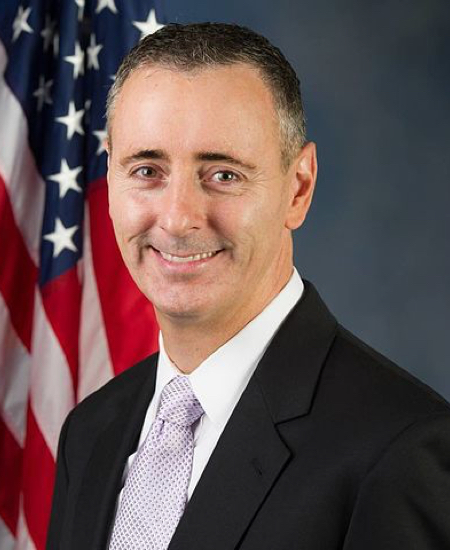
Rep. Brian K. Fitzpatrick
Sponsored bills
Maddy summaryThis House resolution formally acknowledges the courage and sacrifice of veterans who served in the Korean War and those who have continued to serve in South Korea as Korean Defense Veterans. It highlights that nearly 1.8 million U.S. service members participated in the conflict, which resulted in over 36,000 American deaths, and notes that approximately 25,000 troops remain stationed in the region today. The text emphasizes that these veterans often returned home without the widespread recognition given to World War II heroes and urges all Americans to honor their service in defending democracy.
Maddy summaryHR 4541, the EARLY Act Reauthorization of 2025, extends the funding period for the Young Women’s Breast Health Education and Awareness program. It amends the Public Health Service Act to update the program’s expiration date from 2026 to 2031. The bill directly affects young women aged 15-25 by ensuring continued access to breast health education and awareness resources. The key provision is a simple extension of the existing program’s authorization period, without altering its scope or requirements. This is a procedural reauthorization to maintain current services through 2031.
Maddy summaryThis resolution formally recognizes August 4, 2026, as National Night Out, a day dedicated to strengthening ties between residents and local law enforcement. It encourages police departments to use the event to build better community relationships and asks public safety agencies to educate citizens on how to contact 911 services and understand emergency responder duties. The bill highlights the 40-year history of this observance, which involves millions of Americans across the country and its territories to promote public safety and foster a sense of unity.
Maddy summaryThis House resolution acknowledges the progress made by the Americans with Disabilities Act of 1990 in promoting independent living and economic self-sufficiency for people with disabilities. It highlights ongoing challenges such as high unemployment rates, systemic barriers in workplaces, and unequal access to healthcare and technology. The bill calls on various federal agencies, including the Department of Labor and the Department of Transportation, to work together to remove these obstacles and expand opportunities for full community participation. By urging bipartisan cooperation, the resolution aims to strengthen support systems and ensure that individuals with disabilities can thrive in their homes, workplaces, and society at large.
Maddy summaryThe Disability Community Act of 2026 updates federal Medicaid terminology to replace the outdated phrase "mentally retarded" with "intellectual or developmental disabilities" throughout relevant laws and regulations. This change affects how states and facilities are referred to in official documents, ensuring language aligns with current medical and social standards. Additionally, the bill increases federal funding for specific Medicaid services provided to individuals with intellectual and developmental disabilities during 2027, 2028, and 2029. These funds are intended to cover costs associated with complying with existing federal regulations regarding care and services.
Maddy summaryThis bill requires the Secretary of Defense to submit annual reports to Congress on the progress of redesigning the compensation model for military child care workers. The reports must detail implementation status, expected timelines, and which specific requirements have been met or remain unmet for each branch of the Armed Forces. Additionally, the Secretary must publish these reports on a public website within 30 days of submission to ensure transparency. The legislation does not directly change pay rates or hiring rules but focuses on monitoring and reporting the ongoing changes mandated by a previous law.
Maddy summaryThis bill would invalidate a final rule issued by the U.S. Fish and Wildlife Service and the National Oceanic and Atmospheric Administration that rescinded the definition of "harm" under the Endangered Species Act. By declaring that the 2026 rule has no force or effect, the legislation aims to restore the previous legal interpretation of how actions can harm protected species. This change directly affects entities subject to the Endangered Species Act by reinstating the broader regulatory framework for protecting endangered and threatened wildlife.
Maddy summaryThe WINGS Act of 2026 expands federal financial aid eligibility to cover specific aviation training expenses for students enrolled in qualifying aviation programs at colleges and universities. Under this bill, students could use federal funds to pay for costs such as flight simulator hours, aircraft instruction, aviation training materials, and licensing exam fees. The legislation defines eligible programs as those offering associate's or bachelor's degrees in aviation-related fields and includes professional degree programs that meet specific regulatory training standards. These changes would take effect on July 1, 2027, allowing students to access financial support for practical aviation training components starting with the 2027-2028 award year.
Maddy summaryThe Investing in State Energy Act of 2026 requires federal agencies to distribute funds and guidance for energy conservation programs within 30 to 60 days of receiving state plans. It specifically affects States, Indian Tribes, and other direct recipients by mandating faster payment schedules and earlier publication of funding allocations. The bill also authorizes an additional $500 million in funding for these programs over five years, starting in fiscal year 2027. These changes aim to streamline how federal energy assistance is delivered to local governments and tribes.