

Maddy summaryThis bill extends federal funding for school-based health centers through fiscal year 2031. It directly affects schools and community organizations that operate health centers providing medical care to students. The key provision increases the annual grant amount to $55 million per year for the five-year period. This change ensures continued financial support for programs that offer healthcare services directly within educational settings. The legislation does not alter eligibility requirements or program structure, only the funding timeline and amount.
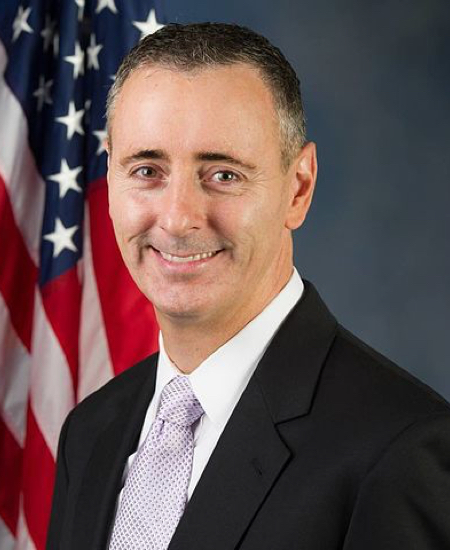
Rep. Brian K. Fitzpatrick
Sponsored bills
Maddy summaryThis resolution expresses the House of Representatives' support for the goals of Alzheimer's and Brain Awareness Month, which takes place in June. It aims to raise public awareness about Alzheimer's disease and other forms of dementia while encouraging individuals to educate themselves and advocate for better research and care services. The document highlights the significant impact of these conditions on millions of Americans and calls for increased support for patients, their families, and caregivers.
Maddy summaryThe Ounce of Prevention Act allows communities receiving federal Community Development Block Grants to use those funds for projects that reduce risks from weather-related disasters. This legislation expands the definition of eligible activities to include measures that protect health and welfare by lessening the impact of future hazards, such as building new structures or rehabilitating existing ones in high-risk areas. To support these efforts, the bill requires grantees to submit plans detailing how they will address specific disaster needs and mandates that the Department of Housing and Urban Development provide technical assistance. Additionally, the act permits communities to treat assisted housing units as a single structure for regulatory purposes and sets a deadline for the Secretary to issue new rules formalizing these mitigation efforts.
Maddy summaryThe Child Care Small Business Insight and Improvement Act of 2026 directs the Small Business Administration to submit a report to Congress within 120 days of enactment. This report will analyze the challenges and needs faced by for-profit child care providers, evaluate current SBA support, and identify any gaps in those resources. Additionally, the study will assess fraud instances among these providers and propose legislative changes to prevent misuse of federal funds. The bill does not authorize new funding, as it relies on existing resources to conduct this analysis.
Maddy summaryThis bill establishes a Strategic Defense Innovation Working Group to facilitate cooperation between the United States and Ukraine on developing and producing unmanned military systems. The group, led by senior U.S. defense officials and including Ukrainian representatives, will identify effective drone technologies used by Ukraine and explore ways to co-develop, co-produce, and acquire them in the United States. Key provisions include creating frameworks for sharing military data and intellectual property, assessing supply chains to avoid reliance on adversarial nations, and reporting regularly to Congress on progress and legal barriers. The initiative aims to accelerate the deployment of proven Ukrainian drone capabilities while ensuring secure and compliant integration into U.S. defense efforts.
Maddy summaryThe Residential Recovery for Seniors Act expands Medicare coverage to include three specific levels of residential treatment for substance use disorders: clinically managed low-intensity, clinically managed high-intensity, and medically managed services. To qualify for this coverage, facilities must meet strict standards regarding staffing, clinical assessments, and adherence to evidence-based criteria developed by recognized medical associations. The bill also establishes a new payment system that reimburses these facilities on a per-day basis, starting in fiscal year 2027, with rates initially set to cover 100% of their estimated costs.
Maddy summaryThe Paraquat Prevention Act directs the Environmental Protection Agency to immediately cancel the registration of paraquat, a pesticide used in agriculture, and to revoke any existing safety limits for its residues in food. This legislation also prohibits the sale and use of any remaining paraquat stocks already on the market and bars the EPA from re-registering the chemical in the future. By removing paraquat from legal use, the bill directly impacts farmers who currently rely on it and consumers concerned about pesticide exposure in their food supply.
Maddy summaryThis resolution expresses support for designating June 28, 2026, as "Community is Stronger than Cancer Day" to honor the millions of Americans affected by cancer. The bill encourages the public to foster compassionate communities and provide support to patients, survivors, caregivers, and their loved ones. It aims to celebrate the connection and hope found within these communities rather than implementing new laws or funding.
Maddy summaryThe Quiet Skies Act directs the Secretary of Transportation to create new regulations banning voice calls on cell phones in the United States. This rule must be finalized within 180 days of the law's enactment and will apply to all air travelers. The bill aims to reduce noise on airplanes by prohibiting passengers from making or receiving phone calls while in flight.
Maddy summaryThe Pacific Islands Liaison Initiative Act creates a new program within the Department of Homeland Security to strengthen law enforcement ties with Pacific Island nations. This initiative will deploy U.S. personnel to Honolulu and Guam to conduct joint operations, provide training, and share resources to help local countries fight transnational crime. The program is authorized to receive $5 million annually from 2027 through 2034 and requires the agency to submit yearly reports to Congress on its activities and funding.