

Maddy summaryHR 2620, the Federal Firearms Licensee Protection Act of 2023, increases penalties for crimes targeting firearms licensees. It amends Section 924 of Title 18 to impose mandatory minimum sentences of 3 years for burglaries or 5 years for robberies committed at the business premises of licensed firearms dealers, manufacturers, or importers. The bill specifically targets violations of Section 922(u), which prohibits unauthorized access to these premises, and adds "attempts to do so" to the penalties. This directly affects licensed firearms businesses by strengthening legal protections against theft or violence at their locations. The law creates clearer, harsher consequences for crimes committed during burglaries or robberies at these specific business sites.
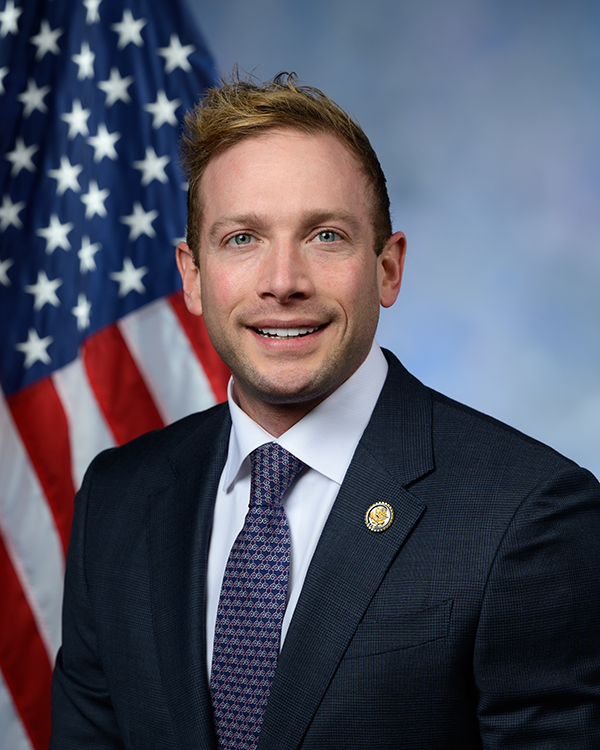
Rep. Max L. Miller
Sponsored bills
Maddy summaryHR 2434, the Next Generation Fuels Act of 2023, requires automobile manufacturers to design vehicles for model years 2028 and later to operate with gasoline containing up to 25% ethanol (2028-2032) or 30% ethanol (2033+) and to be compatible with gasoline having a research octane number of 95 or higher (2028-2032) or 98 or higher (2033+). Fuel retailers must install equipment to ensure compatibility with these high-octane, high-ethanol fuels, while refiners must meet specific requirements for gasoline aromatics content and low-carbon fuel standards. The bill mandates labeling requirements to inform consumers about fuel compatibility and potential consequences of using lower-octane fuels. EPA must determine nationwide availability of 98 octane gasoline by 2031 before the full requirements take effect in 2033, affecting automobile manufacturers, fuel retailers, and refiners through changes in vehicle design, fuel composition, and consumer information standards.
Maddy summaryHR 1826 (PSA Screening for HIM Act) requires health insurance plans and issuers to cover prostate cancer screenings without out-of-pocket costs for men aged 40 and over who are at high risk of prostate cancer. This directly affects African-American men and men with a family history of prostate cancer (defined as having a first-degree relative diagnosed with or who died from prostate cancer). The bill mandates coverage for evidence-based screenings under the same requirements as other preventive services, effective for plan years starting January 1, 2024. It aims to address disparities in prostate cancer outcomes by removing financial barriers to early detection for high-risk groups.
Maddy summaryHR 2539 permanently extends the New Markets Tax Credit (NMTC) program, which incentivizes private investment in low-income communities. The bill directly affects community development financial institutions (CDFIs) and investors who fund projects in designated low-income areas by ensuring the credit remains available beyond 2025. Key provisions include automatically adjusting the credit amount annually for inflation starting in 2024 and clarifying that the credit can be used to offset alternative minimum tax liability. This maintains the program’s effectiveness in channeling capital to underserved neighborhoods without changing eligibility or funding levels.
Maddy summaryHR 1581, the America Works Act of 2023, modifies work requirement exemptions for the Supplemental Nutrition Assistance Program (SNAP). It expands direct exemptions to include individuals medically certified as unfit for work, parents or caregivers of children under 7, and pregnant women, while removing a specific enforcement clause (Section 6(o)(4)(A)(ii)). The bill adjusts existing exemption rules to clarify that certain exemptions apply retroactively to cases beginning before the bill's enactment date. These changes directly affect SNAP recipients who would otherwise face work requirements under federal law.
School Resource Officer Compensation Act This bill excludes from gross income, for income tax purposes, compensation paid to a qualified school resource officer. The bill defines qualified school resource officer as a retired law enforcement officer who is employed as an armed school resource officer at an elementary or secondary school. The bill also exempts such compensation from employment taxation and withholding requirements.
Maddy summaryThis bill redirects unused federal funds originally allocated for pandemic-related school safety to local school districts. The funds must be used to keep elementary and secondary schools safe, without specifying particular safety measures. It directly affects local educational agencies that serve public schools and their students. The bill does not create new requirements but reallocates existing unobligated resources.
This concurrent resolution authorizes the use of Emancipation Hall in the Capitol Visitor Center on April 20, 2023, for a ceremony as part of the commemoration of the days of remembrance of victims of the Holocaust.
Maddy summaryHR 1139, the GUARD VA Benefits Act, amends federal law to strengthen penalties for individuals or organizations charging veterans unauthorized fees when helping with VA benefit claims. It directly affects veterans seeking assistance with VA claims and the representatives (like advocates or attorneys) who might charge them fees. The bill adds a new provision making it a violation to solicit, charge, or receive any fee for preparing, presenting, or prosecuting VA claims, punishable by fines under Title 18. This change specifically targets unauthorized fee-charging while excluding fees covered under existing exceptions in sections 5904 or 1984 of the law.
Maddy summaryHR 1818, the Aviation Workforce Development Act, expands tax-advantaged savings plans (529 plans) to cover costs for specific aviation training programs. It allows funds from these plans to pay for tuition, fees, and required materials at FAA-certified aviation maintenance technician schools (Part 147) or commercial pilot training programs (Part 61 or 141). This directly affects students pursuing careers as aircraft maintenance technicians or commercial pilots by making these training costs more affordable through existing tax-advantaged savings. The bill amends the tax code to include these programs under "qualified higher education expenses" for 529 plan distributions.