

Standardizing Thresholds Of Penalties for Fentanyl Act or the STOP Fentanyl Act This bill reduces the drug quantity thresholds that trigger a mandatory minimum prison term for a defendant who manufactures, distributes, imports, exports, or possesses with intent to distribute fentanyl. The bill also creates enhanced criminal penalties for certain violations involving fentanyl that was imported along the U.S.-Mexico border. Specifically, the bill reduces from 400 to 5 grams the fentanyl quantity and from 100 to 0.05 grams the fentanyl analogue quantity that trigger a mandatory minimum prison term for high-level first-time or repeat offenders. It also reduces from 40 to 0.5 grams the fentanyl quantity and from 10 to 0.005 grams the fentanyl analogue quantity that trigger a mandatory minimum prison term for low-level first-time or repeat offenders. Additionally, the bill creates enhanced mandatory minimum prison terms for importing or exporting fentanyl that was imported along the U.S.-Mexico border.
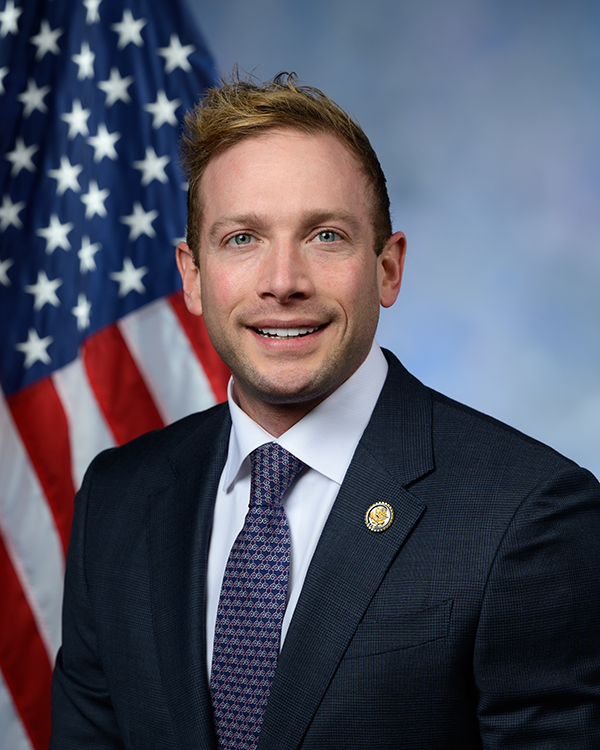
Rep. Max L. Miller
Sponsored bills
Maddy summaryHJRES 8 proposes a constitutional amendment to permanently set the Supreme Court's size at nine justices. The bill would require any future changes to the Court's composition to follow this specific number, locking in the current structure. It does not alter the existing Court size (which has been nine since 1869) but aims to prevent future adjustments through legislative action. The amendment must be ratified by three-fourths of state legislatures within seven years to take effect. This is a procedural proposal focused on constitutional structure, not a direct policy affecting citizens or programs.
WHO Withdrawal Act This bill requires the President to immediately withdraw the United States from the World Health Organization (WHO) and prohibits using any federal funds to provide for U.S. participation in the WHO. The bill also repeals the 1948 act authorizing the United States to join the WHO.
Maddy summaryHR 53 (FIND Act) requires federal contractors to certify they do not refuse to work with firearm manufacturers, dealers, ammunition sellers, or related safety device companies based on bias. It prohibits main contractors from awarding subcontracts exceeding 10% of a contract’s value to entities that fail to make this certification, and bans efforts to circumvent the rule through complex subcontract tiers. The law applies to all federal procurement contracts, directly affecting businesses bidding on government work. Violations risk contract termination and suspension from future government contracts.