

Maddy summaryThis bill requires all new passenger vehicles manufactured for sale in the U.S. to include AM radio as standard equipment (not an optional add-on) by 2027-2028, depending on manufacturer size. It mandates that AM radio receivers must be easily accessible to drivers and allows compliance through digital AM broadcast technology. During a transition period, manufacturers must clearly label vehicles without AM radio but cannot charge extra for this feature. The bill also mandates a GAO study on AM radio's role in emergency alerts and includes a 10-year sunset provision for the rule. It preempts state laws regarding AM radio access in vehicles.
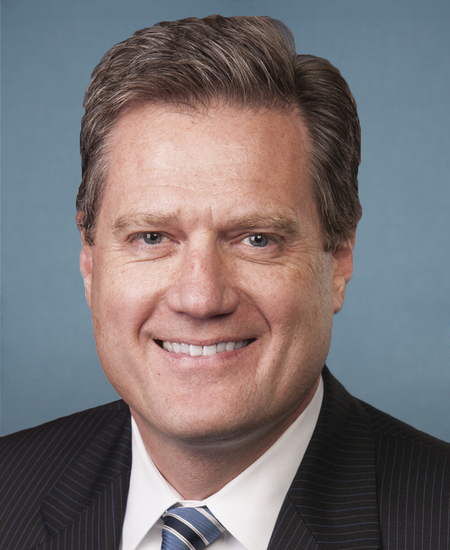
Rep. Michael R. Turner
Sponsored bills
Maddy summaryHR 5966 establishes the Ohio River Basin Restoration Program within the Environmental Protection Agency (EPA) to advance large-scale restoration and protection of the Ohio River Basin. The program, funded with $350 million annually from 2026-2030, directs the EPA to create a dedicated Program Office and advisory council including representatives from the 14 Ohio River Basin states, tribal governments, and regional agencies. It requires projects to improve water quality, increase flood resilience, restore habitats, control invasive species, and remediate toxins - prioritizing natural infrastructure like restored wetlands over traditional structures. The program mandates annual public reporting on progress, funding use, and project outcomes, with the EPA developing a detailed action plan within two years of enactment.
Maddy summaryHRES 864 is a ceremonial resolution honoring U.S. veterans on Veterans Day 2025. It does not create new laws or policies but formally recognizes veterans' service and sacrifice, calling on all Americans to observe Veterans Day. The resolution references historical context about Veterans Day's origins (from Armistice Day to honoring all veterans) but contains no concrete policy changes. It directly addresses the general public, urging them to participate in the observance. As a non-binding resolution, it affects no specific individuals or groups through legislative action.
Maddy summaryHRES 855 is a non-binding House resolution expressing support for National Adoption Day (November 22, 2025) and National Adoption Month (November). It promotes awareness about children in foster care awaiting adoption - highlighting that 49,994 U.S. children were waiting for adoptive families in 2023 - and encourages the public to consider adoption. The resolution recognizes that every child deserves a permanent, loving family and urges Americans to support this goal throughout November and the year. As a symbolic gesture, it does not create new laws or policies.
Maddy summaryThis bill requires the U.S. Secretary of State to certify within 60 days whether Ukrainian children kidnapped by Russia during its invasion of Ukraine have been reunited with families and reintegration into Ukrainian society is underway. If certification is not met, the Secretary must designate Russia as a state sponsor of terrorism under existing laws, triggering sanctions and restrictions. The designation would remain in effect until Russia meets specific conditions, including full child reunification and assurances against future terrorism support. The bill directly affects Russia through potential sanctions and focuses on the fate of Ukrainian children displaced since Russia’s 2022 invasion.
Maddy summaryThe Eastern Flank Strategic Partnership Act of 2025 designates Bulgaria, Estonia, Finland, Hungary, Latvia, Lithuania, Poland, Romania, and Slovakia as "Eastern Flank strategic defense partners" due to their geographic proximity to Russia and Belarus, defense spending commitments, and role in hosting NATO forces. It requires the U.S. State and Defense Departments to prioritize these nations for security assistance, including Foreign Military Financing, defense articles transfers, and military exercises. The bill also directs the Defense Department to prioritize stockpiling defense equipment in these countries through the War Reserve Stocks for Allies program. This legislation aims to strengthen U.S. security cooperation with frontline NATO allies to deter Russian aggression and support Ukraine.
Maddy summaryThis bill changes how state agencies purchase infant formula for the WIC program. It requires selecting two manufacturers through competitive bidding (instead of one) and designates one as primary and one as secondary for each state's contract. This aims to improve supply chain reliability and access for WIC participants - low-income pregnant women, infants, and children. The policy directly affects all states administering WIC formula contracts under the Child Nutrition Act.
Maddy summaryThis bill adds Medicare coverage for multi-cancer early detection screening tests (blood or biological tests analyzing cell-free DNA) starting January 1, 2028. It directly affects Medicare beneficiaries aged 68 and older (starting in 2028, with the age limit increasing by 1 year annually), requiring tests to be FDA-cleared and deemed reasonable/necessary by the Secretary for early cancer detection across multiple organ sites. Payment will initially match current stool DNA test rates before 2031, then shift to a lower rate or new payment system after 2031, with limits preventing more than one test per year. The bill explicitly states it does not alter coverage for existing cancer screenings like breast, colorectal, or prostate cancer tests.
Maddy summaryHR 5613, the "It’s About Time Act," changes the federal government's fiscal year from starting October 1 and ending September 30 to beginning January 1 and ending December 31, effective January 1, 2027. This directly affects all federal agencies, departments, and the budget process by aligning government fiscal cycles with the calendar year. Key provisions include amending budget code to reflect the new start/end dates, requiring a transition budget for October 2026-December 2026, and updating how authorizations of appropriations are interpreted for fiscal years after 2026. The bill makes no substantive policy changes but standardizes the fiscal year framework for federal budgeting.
Maddy summaryThis bill requires health plans and insurers to create a clear, timely process for patients or doctors to request exceptions when step therapy protocols (which force patients to try cheaper drugs first) might harm them. It mandates approval for exceptions in six specific cases, such as when prior treatments failed, delaying care risks severe harm, or the required drug causes adverse reactions. Plans must respond within 72 hours (24 hours for emergencies) and cover the requested drug for at least one year if approved. Additionally, health plans must report annual data on exception requests, approvals, denials, and reasons to the government for transparency.