

Protecting Life in Crisis Act This bill specifies that federal funds allocated for COVID-19 (i.e., coronavirus disease 2019) response efforts may not, in general, be used for abortions. Current law generally prohibits the use of federal funds for abortions through language included in appropriations bills, such as the Hyde Amendment. The bill also restricts the use of federal tax credits or other federal funding for health insurance coverage if the coverage includes abortions.
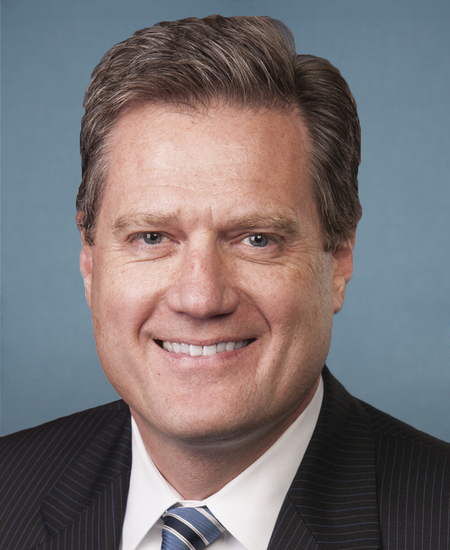
Rep. Michael R. Turner
Sponsored bills
Continuing Coverage for Preexisting Conditions Act of 2021 This bill establishes severability between provisions relating to the requirement to maintain minimum essential health care coverage (i.e., the individual mandate) and other provisions of the Patient Protection and Affordable Care Act. Specifically, the bill provides that if the individual mandate is found to be illegal or incapable of being enforced, such findings do not affect the validity of other provisions relating to (1) the availability and renewability of coverage, or (2) the prohibitions against discriminatory coverage practices based on preexisting conditions or health status.
Health Care Fairness for Military Families Act of 2021 This bill modifies the extension of dependent coverage under TRICARE by allowing a dependent under the age of 26 to be covered without an additional premium. Additionally, the bill authorizes such coverage of dependents without a premium regardless of whether they are eligible to enroll in an employer sponsored plan.
Federal Firefighter Pay Equity Act This bill modifies certain pay calculations that are used to determine retirement and annuity benefits for federal firefighters. Specifically, the bill adjusts the method of determining the average pay of a federal firefighter by adding one-half of a firefighter's basic hourly rate multiplied by the number of overtime hours included as part of such firefighter's regular tour of duty.
Jobs and Childcare for Military Families Act of 2021 This bill allows an employer a work opportunity tax credit for hiring the spouse or domestic partner of a member of the Armed Forces and requires the creation of programs for service members to pay for childcare on a pretax basis. Specifically, an employer may receive a tax credit equal to 40% of a new employee's first-year wages if the employer hires a service member's spouse or domestic partner (as recognized under state law or by the Armed Forces). Currently, a similar tax credit exists for employers who hire certain disadvantaged individuals, including disadvantaged veterans. The Department of Defense and the Department of Homeland Security (with respect to the Coast Guard) must implement flexible spending arrangements that permit members of the Armed Forces to use basic pay and compensation to pay on a pretax basis for dependent childcare.
Federal Reserve Transparency Act of 2021 This bill establishes requirements regarding audits of certain financial agencies performed by the Government Accountability Office (GAO). Specifically, the bill directs the GAO to complete, within 12 months, an audit of the Federal Reserve Board and Federal Reserve banks. In addition, the bill allows the GAO to audit the Federal Reserve Board and Federal Reserve banks with respect to (1) international financial transactions; (2) deliberations, decisions, or actions on monetary policy matters; (3) transactions made under the direction of the Federal Open Market Committee; and (4) discussions or communications among Federal Reserve officers, board members, and employees regarding any of these matters.