

Maddy summaryHRES 1058 is a non-binding House resolution recognizing the federal government’s duty to develop a Transgender Bill of Rights. It calls for specific policy changes, including amending civil rights laws to explicitly prohibit discrimination based on gender identity in employment, housing, and public accommodations; protecting access to gender-affirming medical care; and streamlining legal recognition of gender identity on federal documents like passports and voter registration. The resolution also proposes expanding protections for transgender and nonbinary individuals in healthcare, education, immigration, and correctional facilities, while emphasizing community-led policy development. As a resolution, it does not create new law but sets a framework for future legislative action.
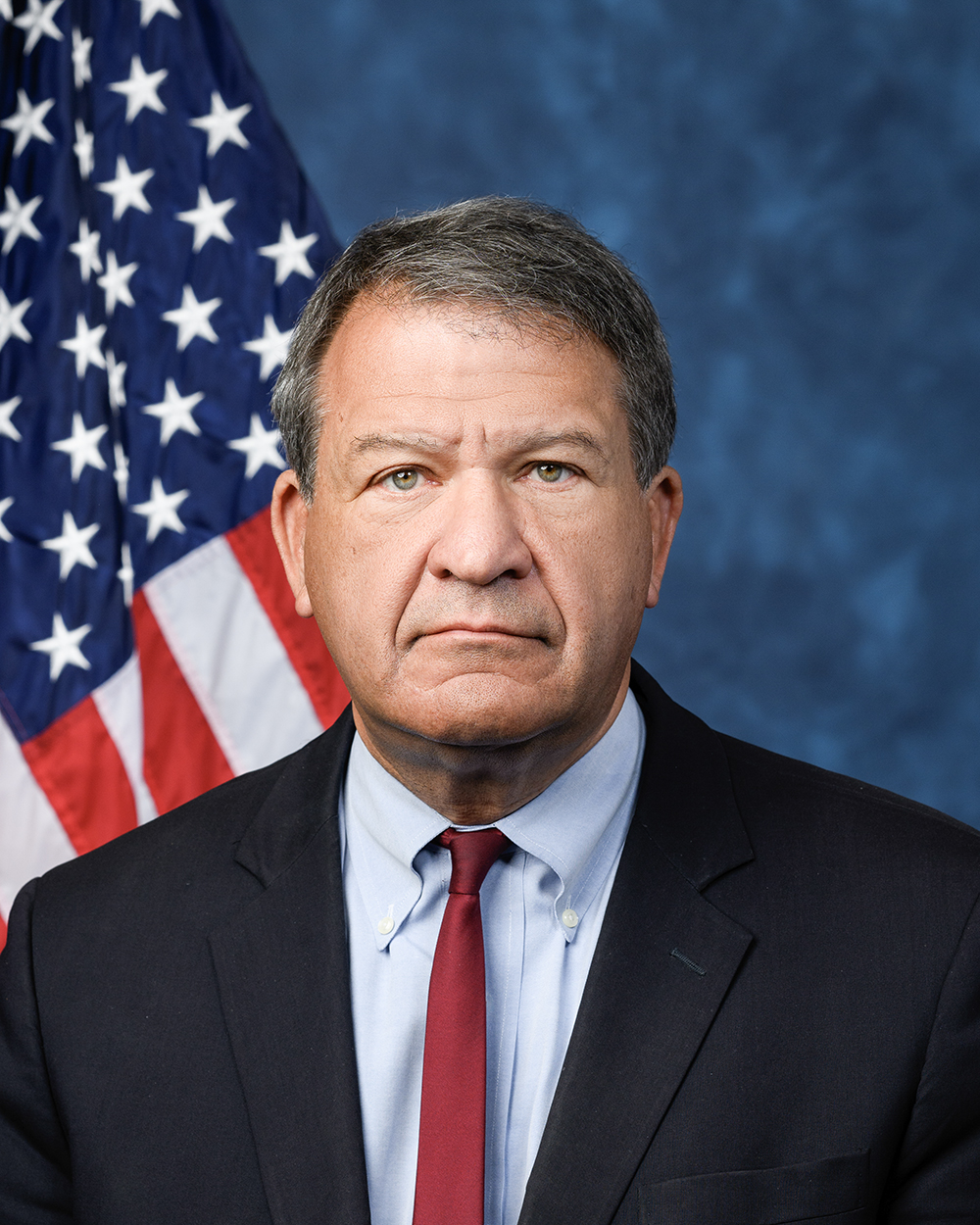
Rep. George Latimer
Sponsored bills
Maddy summaryHRES 1060 is a symbolic resolution designating April 5, 2026, as "Barth Syndrome Awareness Day" in the U.S. House of Representatives. It directly supports individuals and families affected by Barth syndrome, a rare genetic disorder primarily impacting males that causes heart, muscle, and immune system issues. The resolution expresses support for raising public awareness, improving early diagnosis, advancing research, and developing treatments for this condition - though it does not create new funding or policy changes. It serves as a non-binding statement of recognition by Congress, acknowledging the challenges faced by the small patient community (fewer than 160 diagnosed in the U.S.) and the need for greater attention to this ultrarare disease.
Department of Homeland Security Appropriations Act, 2026 This bill provides FY2026 appropriations for various agencies and offices within the Department of Homeland Security (DHS), except for U.S. Immigration and Customs Enforcement (ICE), U.S. Customs and Border Protection (CBP), and management and oversight activities of the Office of the Secretary. Specifically, the bill provides appropriations to DHS for the Federal Protective Service, the Office of Inspector General, the Transportation Security Administration, the U.S. Coast Guard, the U.S. Secret Service, the Cybersecurity and Infrastructure Security Agency, the Federal Emergency Management Agency (FEMA), U.S. Citizenship and Immigration Services, the Federal Law Enforcement Training Centers, and the Science and Technology Directorate. The bill does not provide appropriations for some agencies and activities that have been funded in prior DHS appropriations acts, including ICE, CBP, and management and oversight activities of the Office of the Secretary.
Maddy summaryHR 7498, the After Hours Child Care Act, creates a new Child Care and Development Innovation Fund to expand child care access for parents working nontraditional hours (like evenings, nights, or weekends). The bill directly affects working parents with young children who struggle to find care outside standard 9-to-5 hours, aiming to help them stay employed and advance in their careers. It authorizes $25,000-$500,000 grants for up to 5 years to eligible entities (such as child care providers or partnerships with businesses) to expand existing programs, establish new onsite workplace child care, or improve facilities and staff training. Grantees must cover 25% of costs, and the Secretary of Health and Human Services must report every two years on the program’s impact, including children served and changes in child care availability.
This bill designates the facility of the United States Postal Service located at 15422 NY 104 in Martville, New York, as the "Sergeant Staret J. Engleston Memorial Post Office Building".
Maddy summaryHRES 1035 is a non-binding House resolution condemning recent and proposed workforce reductions at FEMA, which the resolution states endanger the agency's ability to prepare for, respond to, and recover from disasters. It specifically cites a 35% staffing shortage at FEMA (per GAO) and notes that over 2,000 permanent staff left FEMA in 2025, weakening disaster response during events like Hurricanes Helene and California wildfires. The resolution expresses concern that staffing cuts would delay aid, reduce assistance to vulnerable communities (including rural, coastal, and wildfire-prone areas), and undermine counterterrorism programs supporting first responders. It calls for a stable, adequately resourced FEMA workforce to ensure effective disaster management, without proposing new legislation or policy changes.
Maddy summaryHR 7370, the REUSE Act of 2026, requires the Environmental Protection Agency (EPA) to produce a public report within two years of enactment. The report must evaluate the feasibility, best practices, and economic impacts of reuse and refill systems for products like food, beverages, cleaning supplies, and shipping containers across sectors including retail, education, and waste management. It specifically examines job creation opportunities, cost-benefit analyses for businesses and waste management, equitable distribution strategies, and barriers to implementation. The bill does not create new regulations but mandates this study to inform future policy decisions on sustainable product systems.
Maddy summaryThis bill amends the tax code to exclude specific Social Security benefits from taxable income. It directly affects individuals receiving Social Security benefits that were previously subject to taxation due to certain pension rules (like the Windfall Elimination Provision), but are restored under the Social Security Fairness Act of 2023. The exclusion applies only to payments attributable to those restored benefits for months between January 2025 and December 2026. This changes the tax treatment of a defined subset of Social Security payments during a specific two-year period.
Maddy summaryThe Rebuild America's Schools Act of 2026 authorizes $20 billion annually from 2027 to 2031 to improve public school facilities nationwide. The bill provides grants to states to fund school construction, renovation, and modernization projects that focus on safety, energy efficiency, and accessibility, with priority given to schools serving high percentages of students eligible for free or reduced-price lunch. Funds cannot be used for routine maintenance, athletic facilities, or vehicles, and must meet specific environmental, safety, and energy efficiency standards. The bill also includes specific provisions for repairing school foundations affected by pyrrhotite, a mineral that causes concrete deterioration, and requires use of American-made materials for construction projects.
Maddy summaryHR 7346, the Drain ICE Act of 2026, repeals specific funding provisions (sections 90003 and 100052) from the "One Big Beautiful Bill Act" and cancels all unspent funds allocated under those sections. This bill directly affects ICE’s detention budget by removing existing financial authority for detention operations. It does not change immigration enforcement practices or directly impact individuals; it solely modifies budgetary allocations. The bill focuses on eliminating funding mechanisms, not on policy changes for migrants or enforcement. (Procedural bill; summary limited to 2 sentences as specified.)