

Maddy summaryHR 833 creates a federal tax credit for individuals and corporations that contribute to scholarship granting organizations (SGOs) providing scholarships for elementary and secondary education. The credit allows taxpayers to deduct up to 10% of their adjusted gross income or $5,000 (whichever is less) for contributions to SGOs serving students from households with income up to 300% of the area median income. The bill establishes a $10 billion annual cap on the tax credit program, requires SGOs to verify student eligibility and maintain separate accounts, and prohibits government control over SGOs or private schools. It ensures scholarships can be used at public, private, or religious schools without discrimination based on religious character. The tax credit would be available for contributions made after December 31, 2025, with annual volume cap increases based on usage.
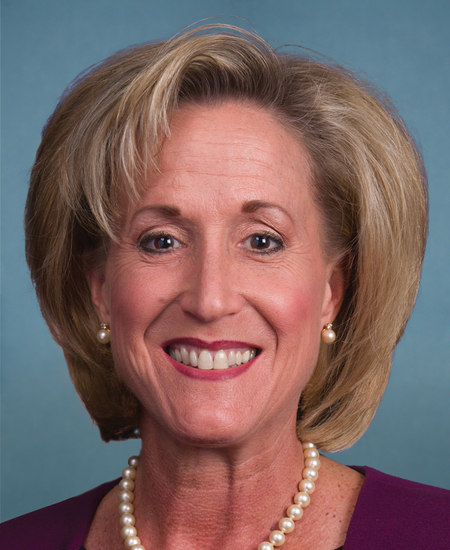
Rep. Ann Wagner
Sponsored bills
Maddy summaryHCONRES 4 is a symbolic resolution expressing Congress's support for tax-exempt fraternal benefit societies (like mutual aid organizations). It recognizes these groups, which have over 7 million members nationwide, as historically and currently providing critical community benefits - including life/health insurance, charitable work, and volunteer services - valued at over $3.8 billion annually. The resolution affirms that their tax-exempt status under Section 501(c)(8) of the Internal Revenue Code remains beneficial and should continue to be promoted. This is a non-binding expression of congressional sentiment, not a policy change.
Maddy summaryHR 21, the Born-Alive Abortion Survivors Protection Act, requires medical staff at abortion facilities to provide the same immediate care and hospital admission to any infant born alive during an abortion as they would for any newborn. It mandates reporting failures to provide this care to law enforcement and imposes penalties of up to 5 years in prison for violations, with harsher penalties for intentional killing. The bill also allows women who undergo abortions to sue for civil damages, including triple the abortion cost, and provides for attorney fees. It defines "abortion" to exclude procedures performed after viability to preserve a live birth. This law directly affects healthcare providers at abortion facilities and creates new federal legal obligations for them.
Maddy summaryThis bill renames the Consumer Financial Protection Bureau (CFPB) as the "Consumer Financial Empowerment Agency" across all federal laws and documents, affecting over 25 statutes including the Dodd-Frank Act and Truth in Lending Act. It makes no substantive policy changes but updates references to the agency's name in legal texts, regulations, and government records. The change applies to all existing provisions, titles, and definitions within federal law without altering the agency's structure or authority. This is a purely procedural renaming bill with no new funding or regulatory impact.
Maddy summaryHR 703, the Main Street Tax Certainty Act, makes a key tax deduction permanent for small business owners. It removes the temporary sunset provision (subsection (i)) from Section 199A of the tax code, ensuring the qualified business income deduction remains available for eligible small businesses. This change directly affects pass-through business owners (like S-corps, partnerships, and sole proprietorships) who currently qualify for this deduction. The permanent change takes effect for tax years starting after December 31, 2025.
Maddy summaryThe PURR Act of 2025 creates a uniform federal regulatory framework for pet food in the United States, replacing inconsistent state and historical livestock feed regulations. It preempts state laws on pet food labeling, advertising, and marketing (while preserving state food safety oversight), establishes a 90-day review timeline for new pet food ingredients, and allows ingredients listed in the AAFCO publication to be considered "Generally Recognized as Safe" without specific FDA approval. The bill sets clear rules for ingredient labeling (including "sometimes present" for fats, flavors, and grains) and permits certain marketing claims like "natural" or "hairball control" without premarket approval, provided specific conditions are met. This legislation directly affects pet food manufacturers, pet owners, and veterinarians by creating a more consistent regulatory environment for pet food products nationwide. The FDA must issue specific guidance on pet food nutrition, labeling, and safety within 18 months of enactment.
Chiropractic Medicare Coverage Modernization Act of 2025 This bill expands Medicare coverage of chiropractic services to include all services provided by chiropractors, rather than only subluxation corrections through manual manipulation of the spine.
Maddy summaryHR 520 allows law enforcement agencies to use Byrne JAG funds for programs specifically targeting the demand behind sex trafficking, such as initiatives aimed at reducing the market for commercial sex acts involving trafficked individuals. This bill amends existing federal funding rules to explicitly authorize these funds for "programs to combat human trafficking (including programs to reduce the demand for trafficked persons)." It directly affects state and local law enforcement agencies that receive Byrne JAG grants by expanding how they can allocate those resources. The key change is creating a dedicated funding category for demand reduction efforts, moving beyond solely supporting victim services or investigations.
Maddy summaryHR 450, the FORCE Act, prevents the U.S. government from removing Cuba from the State Sponsors of Terrorism list. It requires the President to make a specific determination under the 1996 LIBERTAD Act before Cuba can be removed. The bill directly affects Cuba's international designation status and U.S. foreign policy actions toward the country. It does not change existing law but blocks any removal until the specified determination is made. The provision applies to both the President and the Secretary of State.
Legal Workforce Act This bill directs the Department of Homeland Security (DHS) to create an electronic employment eligibility confirmation system modeled after and to replace the E-Verify system, which allows employers and recruiters to verify the immigration status of individuals. The bill also mandates the use of such a system, where currently only some employers, such as those with federal contracts, are required to use E-Verify. The bill specifies documents that can establish an individual's identity and employment authorization. During the period starting when a job offer is made until three business days after hiring, the individual must attest to his or her employment authorization, and the employer or recruiter must attest that it has examined the individual's required documents. Employers shall reverify certain types of employees who were not previously verified using E-Verify. The Social Security Administration shall notify employees if their Social Security number has been used multiple times in an unusual manner. DHS shall establish programs for blocking and suspending misused numbers. Employers that are required to use the verification system shall not be liable for any employment-related action based on a good-faith reliance on the system. The bill establishes a phased-in participation deadline for different sizes and categories of employers, including agricultural employers. The bill increases civil penalties related to hiring individuals without work authorization. It also preempts state laws relating to hiring and employment eligibility verification, but states may use their authority of business licensing to penalize employers for failing to comply with the bill's provisions.