

Hemp Planting Predictability Act This bill extends by two years the implementation of changes to the regulation of hemp products, which reimpose certain federal controls over some hemp products. Specifically, Congress enacted the FY2026 agriculture appropriations act (P.L. 119-37) on November 12, 2025. Effective November 12, 2026, the act modifies the statutory definition of hemp products that are considered to be lawful. This bill extends the effective date to November 12, 2028. As background, the 2018 farm bill excluded hemp from the Controlled Substances Act definition of marijuana and defined hemp . As a result, hemp and hemp-derived products at or below the 0.3% delta-9 tetrahydrocannabinol (THC, the psychoactive component of marijuana) concentration threshold were no longer regulated as Schedule I controlled substances and registration with the Drug Enforcement Administration was no longer required to cultivate or handle hemp and hemp-derived products. However, hemp remained subject to Department of Agriculture and Food and Drug Administration regulation. The 2025 changes to the definition of hemp, include changing the limit to a total THC concentration of not more than 0.3% on a dry weight basis rather than only delta-9 THC, explicitly including industrial hemp, excluding seeds from a cannabis plant that exceed a certain THC concentration, and excluding various types of hemp-derived cannabinoid products. Cannabinoids refer to unique chemical compounds that are found in hemp and marijuana (e.g., THC) and are known to exhibit a range of psychological and physiological effects.
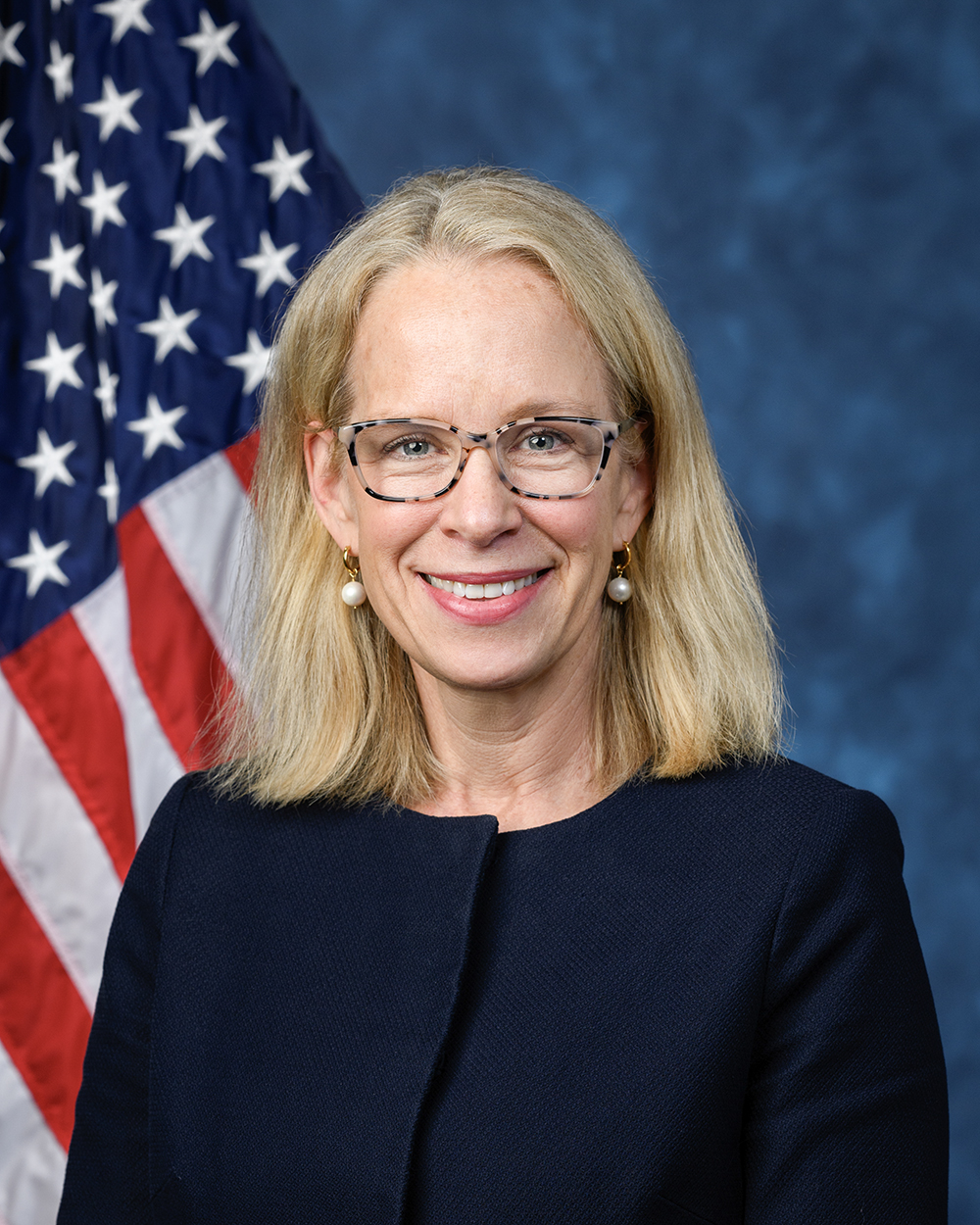
Rep. Kelly Morrison
Sponsored bills
Maddy summaryHR 5203 requires the Department of Veterans Affairs (VA) to update its policies for managing acute sexual assault cases involving veterans within 72 hours of the incident at VA facilities. It mandates that VA medical facilities must have access to certified sexual assault forensic examiners (SAFE/SANE providers), maintain rape kits, offer preventive care for STIs and pregnancy, and provide mental health referrals. The bill also requires annual staff training on these protocols and clear guidelines for VA police regarding reporting to local law enforcement while protecting veteran confidentiality. This directly affects veterans seeking care at VA facilities for recent sexual assault, ensuring standardized, trauma-informed care.
Maddy summaryThis bill protects funding and staffing at the Department of Veterans Affairs (VA). It prevents the government from holding back or redirecting VA funds without new law, and requires the VA to notify Congress if funding shortfalls approach. The bill exempts the VA from hiring freezes through 2029, mandates reinstating veterans fired between 2025 and the bill’s enactment, and requires special legal authorization for layoffs (including probationary employees). The VA must also submit annual compliance reports to Congress.
Maddy summaryThis bill (HR 5999) requires the Department of Veterans Affairs (VA) to provide opioid antagonists (like naloxone) to enrolled veterans without needing a prescription or charging a copayment. It directly affects veterans receiving VA healthcare who may need emergency reversal of opioid overdoses. The key provisions mandate the VA to furnish these life-saving medications directly and eliminate both the prescription requirement and cost barrier. This policy change aims to improve immediate access to overdose reversal for veterans without requiring additional medical steps or financial burden.
Maddy summaryThis resolution honors the 75th anniversary of the American College of Obstetricians and Gynecologists, a professional organization representing over 62,000 doctors who provide essential reproductive and women's health care. The text acknowledges the group's long-standing contributions to improving maternal health, reducing mortality rates, and offering reliable medical information to patients nationwide. While the measure does not alter laws or funding, it formally expresses the House of Representatives' appreciation for the organization's leadership and reaffirms a commitment to supporting women's health and research.
Maddy summaryThis bill would amend federal law to strengthen penalties for organized retail crime by expanding definitions of theft to include digital goods, gift cards, and setting a $5,000 aggregate value threshold for charges over a 12-month period. It would establish a new "Organized Retail and Supply Chain Crime Coordination Center" under Homeland Security to coordinate Federal, State, local, and Tribal law enforcement efforts against cross-jurisdictional theft groups. The Center would share information with retailers, transportation companies, and law enforcement agencies, track crime trends, and produce annual reports on organized retail crime. This legislation directly affects retailers, supply chain businesses, and law enforcement agencies, while targeting organized crime groups responsible for a 93% increase in larceny incidents and rising safety concerns for retail employees. The bill aims to address significant financial losses and supply chain disruptions noted in the National Retail Federation's 2023 data.
Maddy summaryThis House Resolution designates the week of May 3 through May 9, 2026, as National Postpartum Awareness Week for Communities of Color. It formally acknowledges the unique health challenges and disparities faced by pregnant people of color during the postpartum period. The measure does not create new laws or allocate funding but aims to raise awareness and encourage support for maternal health equity initiatives.
Maddy summaryThis bill prohibits the U.S. government from spending money on military actions against Iran between its enactment and December 31, 2026, unless Congress explicitly approves the use of force. It allows for military action only if Congress declares war, passes a specific authorization, or if the action is necessary to defend the United States or its allies from an imminent attack while following reporting requirements. The law directly restricts the President's ability to deploy troops without legislative approval during the specified timeframe.
Maddy summaryThe Investing in the American Dream Act expands eligibility for Small Business Administration loans to include small businesses owned by certain non-citizens. Specifically, it allows businesses to qualify if they are at least 51 percent owned and controlled by individuals who are lawfully present in the United States and authorized to work, such as refugees, asylees, permanent residents, and specific nonimmigrant visa holders. The bill also permits businesses owned by individuals living outside the United States to apply for these loans. This change aims to broaden access to federal financial support for small enterprises by removing previous restrictions based on the citizenship or permanent residency status of the business owners.
Maddy summaryThis bill prohibits the Department of Homeland Security from using federal funds to create or expand new immigration detention facilities, including warehouses, tents, and modular structures. It directly affects immigration enforcement agencies by banning the construction, renovation, or operation of non-traditional detention centers and preventing the transfer of funds to such projects. The legislation requires any money previously allocated for these facilities to be redirected toward affordable healthcare and housing services instead. Effective immediately upon enactment, the ban applies to all existing federal funds and prevents the use of current budgets for establishing or operating alternative detention models.