

Maddy summaryHR 5641, the Pay Our Troops Act, ensures military personnel and their support staff continue receiving pay during fiscal year 2024 if Congress fails to pass regular budget appropriations. It appropriates existing Treasury funds to cover pay and allowances for active-duty troops, reserve components, and civilian employees or contractors supporting military operations. The bill automatically terminates on January 1, 2025, or earlier if Congress enacts a regular budget or continuing resolution. This provision directly affects service members, Department of Defense staff, and Coast Guard personnel (when not under the Navy) during budget implementation gaps.
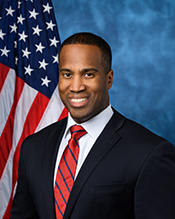
Rep. John James
Sponsored bills
Maddy summaryThis bill extends existing aviation programs and tax authorities through December 2023. It modifies deadlines for airport improvement grants (extending $842 million in funding for Q4 2023), unmanned aircraft regulations, FAA operations, and key tax collections like fuel and ticket taxes. These changes maintain current funding levels for airports, airlines, and FAA programs relying on the Airport and Airway Trust Fund. The bill does not create new programs but ensures continuity of existing authorizations. It directly affects airports receiving federal grants, airlines paying aviation taxes, and FAA operational activities.
Maddy summaryThis bill would grant federal recognition to the Grand River Bands of Ottawa Indians of Michigan, a tribe that has been awaiting formal recognition since filing a petition in 2000. The legislation affirms the tribe's status as a federally recognized tribe, making it eligible for all federal services and benefits (like healthcare, education, and housing programs) without requiring reservation land or specific residence locations. It also directs the Secretary of the Interior to acquire land in specific Michigan counties (Muskegon, Newaygo, Oceana) for the tribe in trust status, and requires the tribe to establish a membership roll within 18 months. The bill addresses decades of delayed recognition, ensuring the tribe gains access to resources and rights it has been denied since its petition was filed.
Maddy summaryThe Jimmy Deal Trafficking Survivors Assistance Act of 2023 requires the Transportation Security Administration (TSA) to establish a Trafficking Survivor Point of Contact (TSPoC) at each airport where TSA conducts passenger screening. The TSPoC, a designated TSA employee trained in trauma-informed care, assists non-profit service providers helping human trafficking survivors with air travel arrangements, including identity verification, security screening support, and safe handoffs at destination airports. Service providers must meet specific eligibility criteria, such as providing 30 days' notice and confirming they are actively assisting a survivor while arranging travel and complying with airline policies for minors. The TSPoC ensures survivors receive trauma-informed support throughout the travel process, from security screening to being met by a designated representative at their destination.
Maddy summaryHRES 720 designates the week of September 24-30, 2023 (and annually thereafter) as "Gold Star Families Remembrance Week" to honor families who have lost loved ones in military service. It specifically recognizes the sacrifices of families of fallen service members and veterans, and encourages Americans to observe the week through community service and celebrating the lives of those who died protecting the nation. This resolution is procedural and symbolic, with no new funding, regulations, or policy changes - only a formal designation to honor these families. It directly affects Gold Star families (those with members who died in military service) and the broader public through its call for observance.
Maddy summaryHR 3152, the "Fight CRIME Act," aims to maintain international restrictions on Iran's missile-related activities by requiring diplomatic efforts to extend these restrictions before they expire in October 2023. The bill mandates annual reports detailing U.S. diplomatic strategies, potential impacts of expiration, and measures to deter missile technology transfers to Iran. It establishes sanctions against foreign individuals or entities that knowingly support Iran's missile or drone programs, including asset freezes and visa restrictions. These sanctions apply regardless of whether UN restrictions remain in effect after their expiration, directly affecting foreign entities involved in these activities.
Maddy summaryHR 5419, the Direct Seller and Real Estate Agent Harmonization Act, amends the Fair Labor Standards Act to exclude direct sellers (like door-to-door sales representatives) and qualified real estate agents from the federal definition of "employee." This change means these workers would no longer be automatically covered by federal minimum wage and overtime protections under the Fair Labor Standards Act. The bill directly affects individuals working in these specific roles by altering their legal classification under labor law. The key provision is a new definition inserted into existing law, aligning labor classification with existing tax code definitions for these professions.
Maddy summaryHJRES 86 proposes a constitutional amendment to limit total service as a U.S. Congress member to 18 years across both House and Senate terms. It would prevent any individual from serving more than 18 years total, whether as a Representative or Senator. Terms served before the amendment's ratification would not count toward this limit. The amendment requires ratification by 3/4 of state legislatures within seven years of submission to become part of the Constitution. This change would directly affect all future and current members seeking re-election beyond the 18-year cap.
This joint resolution proposes an amendment to the Constitution to prohibit the election as President, Vice President, Senator, or Representative in Congress of a person who, during their term, will be 75 years of age or older.
Maddy summaryThis bill creates "Schedule F" within the federal excepted service, moving certain policy-related federal positions out of the competitive hiring process. It directly affects career employees in confidential, policy-making, or policy-advocating roles (such as regulatory drafters or policy advisors) who currently face competitive hiring rules. Key provisions include allowing agencies to hire and remove these employees more flexibly - without standard competitive exams or lengthy civil service procedures - while requiring agencies to review and reclassify qualifying positions. The bill aims to streamline hiring and performance management for these roles, though it does not change the duties of affected employees.